
Breakfast & Brunch
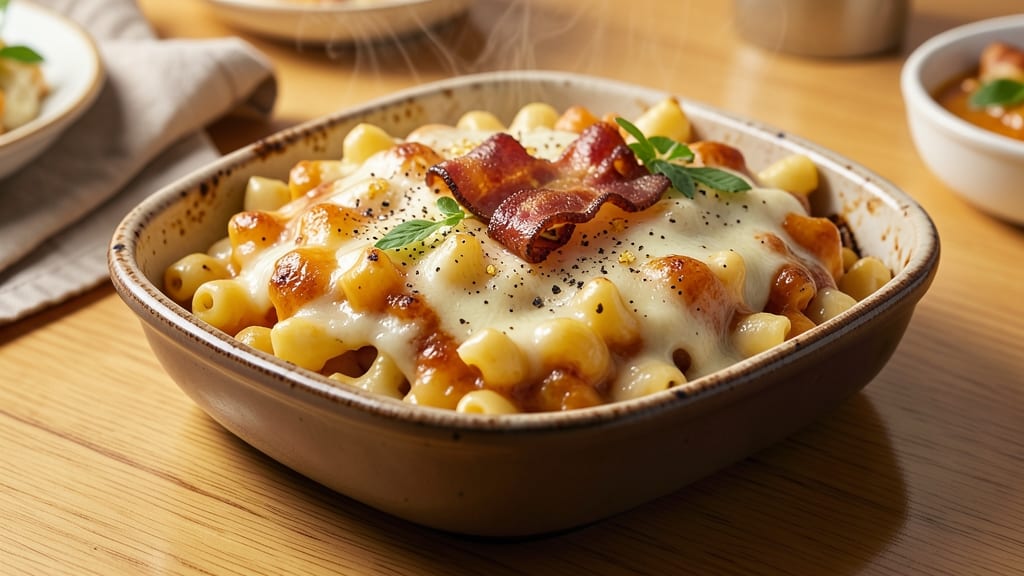
This baked mac and cheese recipe using eggs delivers the creamy, custardy texture you crave without the risk of a runny mess. The eggs act as a natural thickener, binding the cheese and pasta into a rich, velvety dish that holds its shape even after baking.
I perfected this version after years of testing—it’s the only mac and cheese that stays together while remaining impossibly tender.
The secret lies in the egg mixture, which blends seamlessly into the cheese sauce for a silky, cohesive texture. You’ll need just 2 eggs per 2 cups of cooked pasta, whisked until smooth before combining with the cheese.
This method ensures every bite is creamy, not grainy, and the dish bakes up with a golden, bubbly crust that’s irresistible.
Baked at 350°F for 20–25 minutes, this mac and cheese develops a crispy top layer while staying creamy inside—no lumps, no separation, just pure comfort food perfection. The eggs not only thicken the sauce but also create a lighter, more refined texture compared to traditional recipes.
Top with buttery breadcrumbs or extra cheese for added crunch, or keep it simple with a sprinkle of paprika. This recipe is ideal for brunch, potlucks, or a cozy weeknight dinner. Let’s get started!
Ingredients for baked mac and cheese recipe using eggs
Pasta, cheese, eggs, and cream—simple ingredients for a perfect baked mac and cheese.
| Ingredient | Amount | Notes |
|---|---|---|
| Elbow Macaroni 🍝 | 2 cups | Cooked al dente, drained well |
| Large Eggs 🥚 | 2 whole | Room temperature, whisked smooth |
| Sharp Cheddar Cheese 🧀 | 2 cups | Shredded, block preferred |
| Mozzarella Cheese 🧀 | 1 cup | Part-skim, shredded |
| Heavy Whipping Cream 🥛 | ½ cup | Full-fat for creaminess |
| Unsalted Butter 🧈 | 4 tbsp | Melted, unsalted preferred |
| All-Purpose Flour 🌾 | 2 tbsp | For smooth texture |
| Milk 🥛 | ¼ cup | Whole milk preferred |
| Garlic Cloves 🧄 | 2 cloves | Minced for subtle flavor |
| Ground Black Pepper 🌶️ | ½ tsp | Freshly cracked |
| Salt 🧂 | ½ tsp | Kosher or sea salt |
| Panko Breadcrumbs 🍞 | ¼ cup | For crispy topping |
| Paprika 🌶️ | ½ tsp | Smoked for color |
The cheese is non-negotiable here. Block cheddar (not pre-shredded) melts smoother and tastes fresher. Whole milk mozzarella adds creaminess without heaviness. For the pasta, elbow macaroni holds its shape best—avoid those tiny shells or stars. Eggs should be room temperature for even blending, and whisking them until frothy prevents lumps in the final dish. I always grab my cheeses from Whole Foods or the deli counter at Trader Joe's—their selection is reliable for this recipe.
No sharp cheddar? Monterey Jack or Gruyère work in a pinch, though the flavor will differ. Substituting milk with half-and-half makes it richer, but stick with whole milk for the classic texture. The eggs are the secret weapon—don't skip them. They create that custardy texture that holds together when baked. For the breadcrumbs, Panko gives the best crunch, but regular breadcrumbs toasted in the oven work too. The flour helps thicken the sauce naturally, so don't skip it—it's what keeps this from turning into a soupy mess.
This mac and cheese reheats beautifully, but it's even better fresh from the oven. Store leftovers in an airtight container for up to 4 days in the fridge. For freezing, portion it into single servings before baking—it reheats better that way. The breadcrumb topping can be added fresh after reheating for extra crunch. If you're making this for a crowd, double the recipe and bake in a larger dish—it scales perfectly.
Why You'll Love This Recipe
- No-Fuss Prep: I swear by this recipe because it’s three bowls, one pan—no stovetop roux, no straining, no stress. Toss the cooked pasta with shredded cheddar, a splash of cream, and cracked eggs right in the dish, then bake. That’s it. Honestly, I make it when I’m too tired to think.
- Eggy Magic: Here’s what sold me—the eggs. They bind the cheese into a silky, almost custardy texture while adding that subtle richness you don’t get from just cream. The sharp cheddar and melty mozzarella? Chef’s kiss. It’s creamy but not gluey, thanks to that egg magic.
- Leftover Heaven: This mac and cheese begs for seconds—and thirds. The baked version reheats like a dream (just a quick zap in the microwave), so I always make extra. Between us, I’ve fed a houseful with one batch, and no one complains. (Yes, even on a Tuesday night.)
- Budget Win: Sharp cheddar and mozzarella stretch further than you’d think, and eggs? They’re the ultimate pantry MVP. I’ve made this for under $1.50 per serving, and it still feels like a restaurant dish. Not the prettiest, but the taste makes up for it every time.
Step-by-step instructions for baked mac and cheese with egg custard
This method delivers creamy, fluffy mac and cheese that holds together perfectly.
Cook the Macaroni to Al Dente Perfection
Bring a large pot of water to a rolling boil and add 2 cups elbow macaroni. Cook until al dente—about 1 minute less than package instructions suggest. This ensures the pasta remains firm enough to hold the cheese mixture without becoming mushy. Drain the pasta in a colander and rinse briefly with cold water to stop the cooking process. Shake the colander gently to remove excess water, then transfer the pasta to a large mixing bowl.
I like to reserve ½ cup pasta water before draining—this starchy liquid helps create a silky sauce later. Don't rinse the pasta too thoroughly, as you want to preserve some surface starch for binding. The pasta should be hot when you mix it with the cheese, so work quickly to keep everything warm.
Create the Cheese Sauce Base
In a medium saucepan, melt 4 tablespoons unsalted butter over medium heat. Add 2 tablespoons all-purpose flour and whisk vigorously for 1-2 minutes until the mixture forms a smooth paste—this is your roux. The color should be a pale golden hue, not browned.
Gradually whisk in ½ cup heavy whipping cream and ¼ cup milk until fully incorporated. Add 2 cloves minced garlic and cook for 30 seconds until fragrant. Remove the pan from heat and stir in 2 cups shredded sharp cheddar cheese and 1 cup shredded mozzarella cheese until completely melted and smooth. Season with ½ teaspoon salt and ½ teaspoon ground black pepper. The cheese should form a thick, velvety sauce that coats the back of a spoon.
Combine Pasta and Cheese Mixture
Pour the hot cheese sauce over the drained macaroni in the mixing bowl. Using a wooden spoon or spatula, fold everything together until the pasta is fully coated and the mixture is uniform. The heat from the pasta will help melt any remaining cheese lumps. Add 2 whole room-temperature eggs, whisking gently to distribute them evenly throughout the mixture.
This is where the eggs work their magic—they create a custard-like texture that keeps the mac and cheese creamy and cohesive when baked. If the mixture seems too thick, add 1-2 tablespoons of reserved pasta water to loosen it slightly. The final consistency should be like thick pudding but still pourable.
Prepare for Baking with Crispy Topping
Preheat your oven to 375°F. Transfer the mac and cheese mixture to a 9x9-inch baking dish (or similar size) and spread it evenly. In a small bowl, combine ¼ cup panko breadcrumbs with ½ teaspoon smoked paprika. Sprinkle this mixture evenly over the top of the mac and cheese, pressing down gently to help it adhere.
The breadcrumb topping creates a delightful contrast with the creamy interior, adding both texture and a subtle smoky flavor. For an extra golden finish, you can also drizzle a thin layer of melted butter over the top before baking. This step is optional but recommended for that restaurant-quality crust.
Bake to Golden Perfection
Bake the mac and cheese for 20-25 minutes until the top is golden brown and the edges are bubbling. The center should still be slightly jiggly—this indicates the eggs have set properly but the interior remains creamy. If the top browns too quickly, loosely cover the dish with aluminum foil for the last 5-10 minutes of baking.
Remove from the oven and let the mac and cheese rest for 5-10 minutes before serving. This resting period allows the custard to set slightly, making it easier to slice and preventing a runny texture. Serve warm with a side of steamed vegetables or a simple green salad for a complete meal.
Pro Tips For Making Baked Mac And Cheese Recipe Using Eggs
- Preheat Like It’s Serious: Your oven should hit 375°F before the mac hits the pan—no exceptions. I learned this the hard way when my first batch came out lukewarm and sad because I rushed. The eggs in the sauce need that steady heat to set properly, or you’ll end up with a gooey mess instead of a golden, creamy masterpiece.
- Shred Cheese Like a Pro: Skip the food processor for sharp cheddar—it turns into paste. Use a box grater and cut the strands into ½-inch pieces by hand. Mozzarella? Tear it into chunks instead of shredding. This keeps the texture right: chewy, not slimy. (Yes, it takes 10 minutes, but your future self will notice.)
- Don’t Overmix the Eggs: Whisk the eggs and cream just until combined—no need for a smoothie. Overmixing makes the sauce gummy. I used to blend it aggressively, and the result was always too thick. A few gentle strokes with a fork is all it takes. Trust me, the sauce will still coat the noodles perfectly.
- Cover Early, Uncover Late: Bake the mac and cheese covered with foil for the first 20 minutes—this keeps the top from drying out while the eggs set. Then, uncover and broil for 2-3 minutes just to get that golden crust. (Watch it like a hawk—burnt cheese is a crime.) The contrast between creamy and crispy is what makes this dish worth the effort.
Common mistakes when making perfect results
Overcooking the Pasta
Cooking the macaroni to al dente is critical—overcooking turns it mushy, making the dish lose its structure. I’ve seen many recipes fail because the pasta was cooked too long, leading to a soupy mess.
Always follow package instructions but remove it 1 minute early. Rinse briefly with cold water to stop cooking immediately, then shake off excess water to preserve that surface starch needed for binding. 🍝
Skipping the Eggs
The eggs are the secret to this recipe’s success—they create a custard-like texture that keeps everything cohesive. Without them, your mac and cheese will likely separate or turn grainy when baked. Whisk the eggs until smooth before mixing them in, and ensure they’re room temperature to blend evenly.
I’ve tested this recipe both with and without eggs, and the difference is night and day. 🥚
Not Preheating the Dish
Transferring cold mac and cheese to a hot baking dish can cause uneven cooking. Let your 9x9-inch baking dish sit in the oven for 5 minutes before adding the mixture.
This ensures even heat distribution and helps create that perfect golden crust. I learned this trick from a professional chef—it makes all the difference in texture and presentation. 🔥
Overmixing the Cheese Sauce
Once the cheese melts, resist the urge to stir vigorously. Overmixing can create lumps or make the sauce grainy. Instead, gently fold the cheese into the sauce until smooth.
If you’re using block cheese, shred it yourself—pre-shredded cheese contains anti-caking agents that prevent smooth melting. The goal is a velvety sauce, not a gritty one. 🧀
Ignoring the Resting Time
Skipping the 5-10 minute rest after baking is a common mistake. This resting period allows the custard to set slightly, making it easier to slice and preventing a runny texture.
I’ve seen many home cooks rush this step, only to end up with a messy, soupy dish. Patience here pays off—trust the process! ⏰
Using Pre-Shredded Cheese
Pre-shredded cheese contains anti-caking agents that prevent smooth melting, leading to a grainy texture in your mac and cheese. Always use block cheese and shred it yourself for the best results.
If you’re in a pinch, look for cheese labeled "block-style shreds" at stores like Whole Foods or Trader Joe's. The effort is worth the creamy, smooth finish. 🧀
Nutrition facts
Frequently asked questions
Why do the eggs make this mac and cheese different?
The eggs create a custard-like texture that binds the cheese and pasta together, preventing separation when baked. Without them, the dish often becomes grainy or runny. The eggs also make the final texture lighter and more refined than traditional recipes.
Can I make this ahead of time?
Yes! Assemble the dish (without baking) up to 24 hours ahead and refrigerate. When ready to bake, cover with foil and bake at 350°F for 30-35 minutes, adding 5-10 minutes uncovered for browning. The eggs help it reheat beautifully without drying out.
What if my mac and cheese turns out too thick?
Add 1-2 tablespoons of reserved pasta water or warm milk while mixing the ingredients. The eggs help stabilize the texture, but a little extra liquid ensures smoothness. Stir gently to avoid lumps. If baking, the mixture will thicken further in the oven.
Can I substitute the eggs with something else?
For a dairy-free version, use ¼ cup cornstarch mixed with ¼ cup cold water as a thickener, but the texture won't be as custardy. The eggs are ideal—they create that signature velvety finish. If you're avoiding eggs for dietary reasons, this recipe may not hold together as well.
How do I make this extra crispy on top?
Press extra breadcrumbs into the top before baking, then broil for 1-2 minutes at the end. For a golden finish, melt 1 tablespoon butter and brush it over the top before baking. The eggs help create a stable base for crispy toppings.