
Beverages
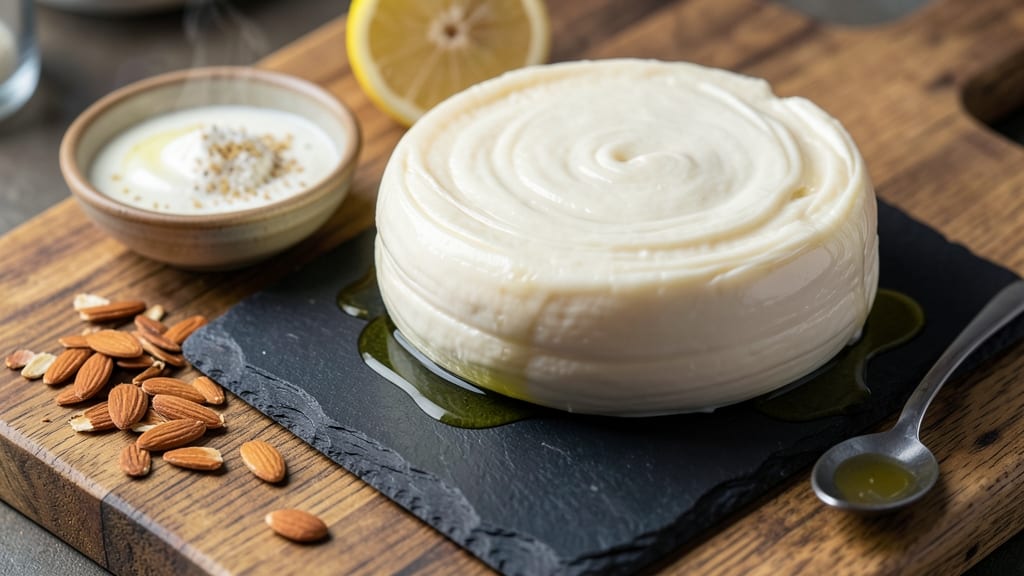
This almond milk mozzarella cheese recipe transforms plant-based cooking with vegan stretch and melt that rivals dairy. 🌟 The secret lies in blending almond milk with tapioca starch and nutritional yeast to create a cheese that melts beautifully over hot dishes and stretches perfectly for vegan pizzas or caprese salads.
What makes this recipe special is its simplicity—just a few pantry staples and a few minutes of prep time, yet the results are surprisingly restaurant-quality.
The process involves blending the ingredients, heating the mixture to create curds, and carefully draining and shaping the cheese for that signature mozzarella texture. Unlike store-bought vegan cheeses, this recipe delivers a creamy, elastic consistency that holds its shape when melted and becomes gooey when heated.
The nutritional yeast adds a cheesy depth, while the tapioca starch ensures the right stretch and melt, making it ideal for grilled cheese, pasta dishes, or even as a topping for flatbreads.
What you’ll end up with is a versatile, creamy and stretchy vegan cheese that’s perfect for any dish calling for mozzarella. It’s great for caprese salads, vegan pizzas, or even as a melt-ontoast topping. The best part?
It’s easy to customize with flavors like garlic, herbs, or smoked salt to suit your taste. This recipe proves that plant-based cooking can be just as rich and satisfying as traditional dairy dishes.
Once you’ve mastered the basics, you can experiment with variations like adding sun-dried tomatoes or chili flakes for extra flavor. Store the cheese in an airtight container in the refrigerator for up to a week, or freeze for longer storage.
Whether you're a seasoned vegan cook or just looking to explore plant-based options, this almond milk mozzarella will elevate your meals to new heights.
Ingredients for almond milk mozzarella cheese
Eight simple ingredients create restaurant-quality vegan mozzarella that melts and stretches perfectly.
| Ingredient | Amount | Notes |
|---|---|---|
| Unsweetened Almond Milk 🥛 | 2 cups | Homemade or store-bought unsweetened |
| Tapioca Starch 🌾 | ½ cup | For stretch and melt consistency |
| Nutritional Yeast 🧀 | ¼ cup | For cheesy flavor depth |
| Lemon Juice 🍋 | 1 tbsp | Freshly squeezed for tang |
| Salt 🧂 | 1 ½ tsp | Fine sea salt preferred |
| White Vinegar 🍶 | 1 tbsp | For curdling action |
| Olive Oil 🫒 | 1 tbsp | Extra-virgin for richness |
| Garlic Powder 🧄 | ½ tsp | Optional for flavor variation |
| Dried Basil 🌿 | ½ tsp | Or fresh basil, finely chopped |
| Water 💧 | ¼ cup | For blending consistency |
Almond milk is the base, so unsweetened is a must—any added sweetness will throw off the flavor. Trader Joe's and Thrive Market have great options, but homemade works too if you've got a blender. The tapioca starch is what gives this cheese that signature stretch—don't skip it. Bob's Red Mill is my go-to brand, but any food-grade tapioca will do. Nutritional yeast is the secret to that cheesy flavor, and it's worth buying the good stuff. Bragg or Nutritional Works are solid choices. If you're feeling fancy, grab a wedge of vegan mozzarella to compare textures—this recipe gets surprisingly close!
No almond milk? Cashew milk or oat milk work in a pinch, but texture might be slightly different. Short on tapioca starch? Arrowroot powder at the same amount is a decent swap, though it won't stretch quite as well. Fresh basil? Use half the amount of dried. The garlic powder and basil are totally optional, but they add that Italian vibe—skip if you're keeping it neutral. For extra richness, add 1 tsp vegan butter to the mix. And if you're making a big batch, double everything—this cheese keeps well for freezing.
This cheese is best used fresh, but it'll keep in the fridge for 5-7 days wrapped tightly in parchment paper. For longer storage, portion into ice cube trays, freeze, then transfer to a bag—perfect for pizza toppings later. Reheat gently in a dry pan or microwave for 10-15 seconds to get that melty texture. Pro tip: Add a pinch of salt right before using if it's been stored a while—the flavor intensifies as it sits.
Why You'll Love This Recipe
- Pantry Magic: I swear by this recipe when I’ve got nothing but almond milk and a few basics. No special equipment—just a saucepan and a whisk—and you’re golden. The tapioca starch does all the heavy lifting, turning liquid into stretchy cheese faster than you can say "weeknight dinner."
- Tangy Cheese Twist: Between us, this isn’t your grandma’s mozzarella. The lemon juice cuts through the richness, and the nutritional yeast adds that umami punch—like a bright, cheesy hug. It’s the kind of flavor that makes you pause mid-bite and think, "Wait, I made this?"
- Caprese Reboot: Honestly? This cheese is my go-to for lazy salads, quick flatbreads, or even melted on toast. No fancy aging, no dairy drama—just spread it on crackers with a drizzle of olive oil, and suddenly you’ve got a fancy snack. (Yes, even on a Tuesday night.)
- Leftover Hero: I make a big batch on Sundays, and it lasts me all week. Stays fresh in the fridge, melts beautifully, and won’t turn rubbery like some store-bought stuff. Plus, it’s way cheaper than buying pre-shredded cheese—my wallet thanks me every time.
Step-by-step instructions for almond milk mozzarella cheese
Here's how to transform simple pantry staples into stretchy, melty vegan mozzarella.
👨🍳 Step 1: Curdle the Almond Milk Mixture
In a medium saucepan, combine the 2 cups unsweetened almond milk, 1 tbsp white vinegar, and 1 tbsp lemon juice. Heat over medium heat until it reaches 185°F—you'll see it start to bubble gently. This is where the magic happens: the acid in the vinegar and lemon juice will curdle the milk, separating it into curds and whey.
Once it hits 185°F, immediately remove from heat. Let it sit for 5 minutes—you'll notice the mixture thicken and develop a lumpy texture. This is your curd forming. If it looks too thin, you can strain it through a cheesecloth-lined colander to remove excess whey, but don't worry if it's not perfect; we'll fix it in the next step.
🍳 Step 2: Add Starch and Nutritional Yeast
While the curds are still warm, transfer them to a blender. Add the 0.5 cup tapioca starch, 0.25 cup nutritional yeast, 1.5 tsp salt, 0.5 tsp garlic powder, and 0.5 tsp dried basil. Blend until completely smooth—this mixture will be thicker than you expect, almost like a thick batter. If it's too thick, add 1-2 tablespoons of the 0.25 cup water at a time until it reaches a pourable consistency.
The tapioca starch is what gives this mozzarella its signature stretch and melt. Nutritional yeast adds that unmistakable cheesy flavor, while the garlic and basil give it depth. Blend until no lumps remain—this ensures a silky texture in your final cheese.
🔥 Step 3: Cook the Cheese Mixture
Pour the blended mixture back into the saucepan and heat over medium-low heat, stirring constantly with a wooden spoon. You'll see it thicken dramatically as it cooks—this is the starch activating. Keep stirring for 5-7 minutes until it forms a smooth, dough-like consistency that pulls away from the sides of the pan.
Here's the thing—you want it to look like thick, stretchy dough when you lift the spoon. If it's still too runny, keep cooking and stirring. If it starts to brown or stick, reduce the heat slightly. The moment it reaches that perfect dough-like texture, remove it from heat immediately. This is your window for stretchy perfection.
🥘 Step 4: Shape and Rest the Mozzarella
Transfer the hot cheese dough to a clean, oiled surface or parchment paper. While it's still warm, shape it into a ball using oiled hands—this prevents sticking. You can press it gently between your palms to develop that classic mozzarella texture. Wrap it tightly in plastic wrap or a clean kitchen towel and let it rest at room temperature for 30 minutes.
This resting period is crucial. It allows the starch to fully set and the flavors to meld. Don't skip it—this is what gives your mozzarella that authentic, melt-in-your-mouth quality. If you're in a hurry, you can refrigerate it for 1 hour for a firmer texture, but room temperature yields the best results for stretching.
🍽️ Step 5: Test and Use Your Mozzarella
After resting, your mozzarella should be firm but still pliable. To test its stretch, take a small piece and pull it gently—it should stretch like traditional mozzarella before breaking. If it's too firm, let it sit at room temperature for another 10 minutes. If it's too soft, chill it briefly in the fridge to firm up.
Now you're ready to use it! This vegan mozzarella melts beautifully on pizzas, grilled cheese sandwiches, or caprese salads. Store any leftovers in an airtight container in the fridge for up to 5 days, or freeze for longer storage. The key to success is keeping it warm when using—microwave for 10-15 seconds to restore its stretchy magic before melting.
Pro Tips For Making Almond Milk Mozzarella Cheese
- Whisk Like You Mean It: The almond milk needs to be fully incorporated with the tapioca starch—no lumps, ever. I used to just give it a quick stir, and the cheese turned out grainy. Now I whisk aggressively for 2-3 minutes until it’s smoother than a fresh latte.
- Strain the Yeast: Nutritional yeast is finicky—if it’s clumpy, your cheese will be too. Sift it through a fine-mesh strainer before mixing, or at least press it through your fingers to break up any grit. Trust me, you don’t want a mouthful of texture surprises.
- Heat Slow and Steady: This isn’t a race. Bring the mixture to a gentle simmer over medium-low—too fast, and you’ll scorch the lemon juice before the starch activates. I learned this the hard way when my first batch tasted bitter. Keep it at a low bubble, like a lazy Sunday morning.
- Acid Test First: Before adding lemon juice, taste the mixture—neutral, right? Now add the juice gradually, stirring after each splash. Stop when it’s just barely tangy, not sour. Overdoing it turns your mozzarella into a sad, rubbery mess. (Yes, I’ve been there.)
Regional styles of almond milk mozzarella cheese
Southern Italian Style
In Southern Italy, mozzarella is often paired with fresh basil and garlic for that classic Caprese salad vibe. To give your almond milk mozzarella that authentic Italian flair, add 1 tbsp fresh basil pesto (store-bought or homemade) to the blended mixture before shaping.
Top with sun-dried tomatoes and a drizzle of balsamic glaze for a dish that screams "vacation in Italy." 🌿
California-Inspired Fusion
West Coast cooks love to put their own spin on classics. For a California twist, mix in 1 tsp smoked paprika and ½ tsp onion powder during the blending step. Use this mozzarella on avocado toast with cherry tomatoes and a sprinkle of crumbled vegan feta.
The smoky depth pairs perfectly with the creamy almond milk base, creating a cheese that feels fresh yet bold. 🌶️
Greek-Inspired Variations
Greek cuisine often incorporates tangy flavors and herbs. For a Mediterranean touch, add ½ tsp dried oregano and ¼ tsp lemon zest to the mixture. Serve this version on grilled vegan gyros with tzatziki sauce or as a topping for stuffed grape leaves (dolmas).
The bright citrus notes complement the creamy texture beautifully. 🍋
Mexican Street Food Style
For a bold, spicy twist, blend in ½ tsp chili powder and ¼ tsp cumin with the nutritional yeast. This mozzarella shines on vegan quesadillas with sautéed peppers and onions or as a topping for chilaquiles.
The smoky, spicy kick makes it a standout for tacos and nachos too. 🌶️
Asian-Inspired Fusion
Add a touch of the East by blending in ½ tsp grated ginger and ¼ tsp sesame seeds for a unique flavor profile. Use this mozzarella in vegan pho as a creamy topping or on ramen noodles with a drizzle of soy-ginger sauce.
The subtle warmth of ginger pairs surprisingly well with the creamy texture, creating a fusion dish that’s both comforting and exciting. 🌱
Classic Grilled Cheese Style
For a nostalgic American favorite, fold ½ tsp Dijon mustard into the cheese mixture before shaping. Use this mozzarella between slices of sourdough bread with a sprinkle of vegan butter and grill until golden. The tangy mustard adds depth, making every bite feel like a cozy comfort food moment. 🥪
Nutrition facts
Frequently asked questions about almond milk mozzarella
Why does my vegan mozzarella turn out too crumbly? The most common reason is undercooking the starch mixture. You need to heat it until it forms a thick, dough-like consistency that pulls away from the pan. If it's still too crumbly after shaping, try blending in 1 extra tablespoon of olive oil for creaminess. Also,
Can I make this cheese without tapioca starch?
While possible, it won't stretch or melt the same way. For a similar texture, try arrowroot powder (same amount) or agar-agar (1 tsp instead). Without starch, you'll get more of a soft cheese texture that works better for spreads or sprinkles rather than stretching. The starch is what creates that signature mozzarella elasticity.
How do I get the cheese to melt better on pizza?
For perfect pizza melting, warm your cheese before using. Take it out of the fridge 10 minutes before adding to pizza, or microwave for 10-15 seconds to soften. The key is to use it when it's still warm from shaping—cold cheese won't stretch or melt properly. For extra meltiness, add ½ tsp vegan butter to the mixture during blending.
What's the best way to store homemade vegan mozzarella?
Wrap it tightly in plastic wrap or parchment paper and store in an airtight container in the fridge for up to 5-7 days. For longer storage, portion into ice cube trays, freeze, then transfer to a bag. Thaw overnight in the fridge before using. Never freeze unshaped cheese—it won't hold together well when thawed.
Can I make this cheese with other nut milks?
Yes, but results vary. Cashew milk works best for creaminess, while oat milk gives a lighter texture. Avoid coconut milk—it has a strong flavor that overpowers the cheese. If using substitutes, you may need to adjust the starch amount (¼ tsp less for cashew, ¼ tsp more for oat) to achieve the right consistency.