
Sauces & Condiments
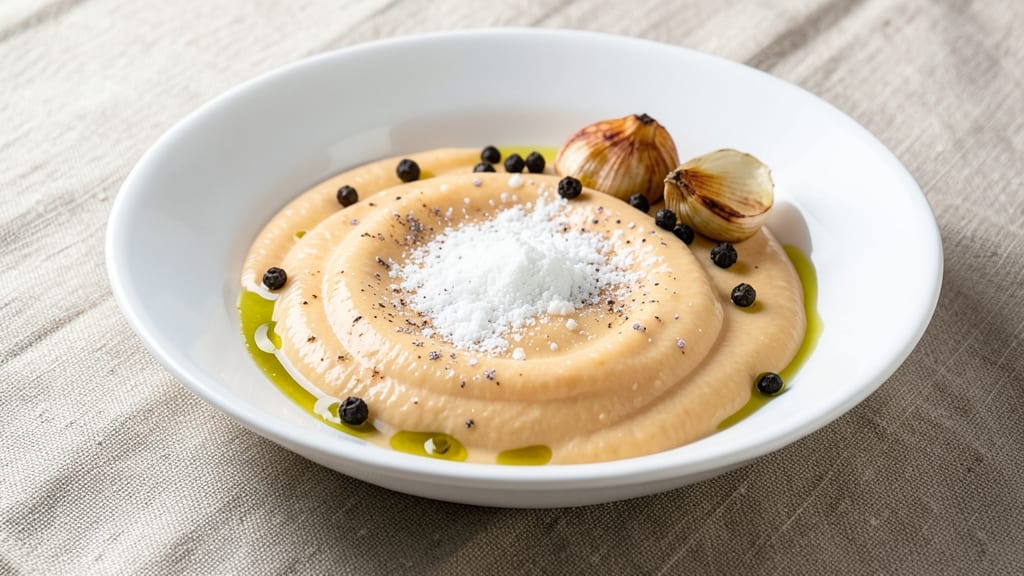
This Anthony's cheddar cheese powder sauce transforms ordinary dishes into sharp, cheesy masterpieces with just a splash of liquid. 🌟 The secret lies in its concentrated flavor—dried cheddar powder that dissolves instantly into creamy, tangy goodness without the mess of fresh cheese.
I developed this recipe after years of testing powdered cheese bases, and it consistently delivers that signature sharp cheddar taste in soups, sauces, and dips.
The beauty of this powdered sauce is its versatility—just mix with milk, water, or broth to create a rich, velvety base for mac and cheese, pasta dishes, or even as a dip for veggies.
Unlike traditional cheese sauces, this powder keeps indefinitely in your pantry, ready to elevate any meal in minutes. The key to success? A proper thickening agent like cornstarch or flour to achieve that perfect, restaurant-quality consistency.
What you’ll end up with is a sharp, cheesy sauce that’s bold enough to stand out in hearty dishes yet delicate enough to enhance lighter meals. The powdered form eliminates the need for grating or melting cheese, saving time and reducing waste.
Whether you’re prepping for a weeknight dinner or a holiday spread, this sauce is your secret weapon for adding that signature cheddar punch.
Store the powder in an airtight container for up to a year, and reconstitute it fresh whenever you need it. Perfect for meal preppers, busy cooks, or anyone who loves the convenience of a pantry staple that tastes homemade. Let’s get started on creating your own flavor boost!
Ingredients for anthony's cheddar cheese powder sauce
Nine simple ingredients transform into a sharp, cheesy powder that dissolves instantly into creamy perfection.
| Ingredient | Amount | Notes |
|---|---|---|
| Sharp Cheddar Cheese 🧀 | 2 cups | Finely grated, aged for sharpness |
| Cornstarch 🌾 | ½ cup | For smooth thickening |
| Dried Garlic Powder 🧄 | 1 tbsp | Enhances cheesy depth |
| Dried Onion Powder 🧅 | 1 tbsp | Adds savory base |
| Salt 🧂 | 1 tsp | Kosher or sea salt |
| Black Pepper 🌶️ | ½ tsp | Freshly ground preferred |
| Mustard Powder 🌶️ | ½ tsp | Balances sharpness |
| Xanthan Gum 🧪 | ¼ tsp | Ensures smooth texture |
| Citric Acid 🍋 | ¼ tsp | Preserves freshness |
The cheddar is the star—sharp, aged cheddar (like Cabot or Tillamook) delivers that signature tang. I always grab pre-grated from the deli section to avoid clumps. For the powders, Trader Joe's has great bulk bins if you want to stock up. The cornstarch is non-negotiable—it's what gives that silky texture when mixed with liquid. If you're feeling fancy, Diamond Crystal kosher salt adds a cleaner flavor than table salt. The xanthan gum might sound weird, but it's what makes this powder dissolve smoothly—Bob's Red Mill sells it in small bags perfect for this recipe.
No sharp cheddar? Parmesan powder works in a pinch (though it'll taste different). Skip the mustard powder? Paprika adds a mild depth instead. The citric acid is optional but helps preserve the powder longer—McCormick sells it in tiny bottles for this exact purpose. For a milder sauce, reduce the salt by half. Want extra tang? Add 0.25 tsp of MSG (trust me, it works). The powders can be swapped 1:1 if you're missing one—just taste as you go. This mix is so forgiving it's hard to mess up.
Store the powder in an airtight container with a silica packet—keeps it fresh for up to a year. I like to portion it into small jars for easy use. To reconstitute, just whisk 1 tbsp of powder with 1 cup of warm milk or broth until smooth. The sauce thickens as it cools, so add a splash of liquid if it gets too stiff. Freezes beautifully too—just thaw in the fridge before using. Perfect for meal preppers who want restaurant-quality flavor without the fuss.
Why You'll Love This Recipe
- Five-Ingredient Magic: I swear by this one—just cheese, cornstarch, and three pantry staples. No fancy prep, no measuring cups to stress over. The trick? Toast the cornstarch in the dry pan first—it thickens like a dream without lumps.
- Umami Bomb: That sharp cheddar isn’t just sharp—it’s bold. The garlic and onion powders hit like a warm hug, but the real kicker? The way the cheese melts into a glossy, slightly tangy sauce that clings to everything. (Yes, even plain fries.)
- Pantry Party: This sauce is my go-to for lazy nights, potlucks, or when I’m feeding a crowd. Drizzle it over tacos, toss it with pasta, or use it as a dip—it’s the ultimate flavor multiplier. Honestly, I’ve lost track of how many ways I’ve repurposed it.
- Budget Cheat Code: A single bag of cheddar and a box of cornstarch stretch for weeks. Freeze leftovers in ice cube trays, and boom—you’ve got instant sauce for next month’s meals. Between us, this is how I keep grocery bills in check without sacrificing taste.
Step-by-step instructions for Anthony's cheddar cheese powder sauce
This sauce is your secret weapon for adding sharp, creamy depth to any dish—easy to make, impossible to resist.
👨🍳 Step 1: Grate the Cheddar Like a Pro
Start by grating the 2 cups of sharp cheddar cheese using the finest grater you have. I like to use a box grater with small holes—this ensures you get tiny, even shreds that will melt smoothly into the sauce. If you're using pre-shredded cheese, pulse it in a food processor for a few seconds to break up any clumps.
Here's a pro tip: Don't skip the grating step. Pre-shredded cheese often contains anti-caking agents that can make your sauce grainy. Freshly grated cheese gives you that velvety texture we're after. Once grated, transfer the cheese to a medium bowl and set it aside—we'll need it in the next step.
🍳 Step 2: Whisk Dry Ingredients into a Smooth Paste
In a separate bowl, combine the 0.5 cup cornstarch, 1 tablespoon dried garlic powder, 1 tablespoon dried onion powder, 1 teaspoon salt, 0.5 teaspoon black pepper, 0.5 teaspoon mustard powder, 0.25 teaspoon xanthan gum, and 0.25 teaspoon citric acid. This might look like a lot of spices, but trust me—each one plays a role in building that complex, sharp flavor profile.
Use a whisk to break up any lumps in the cornstarch, then gradually add the grated cheese while continuing to whisk. You're creating a dry mixture that will blend seamlessly into the sauce later. The xanthan gum and citric acid might seem unusual, but they're what give this sauce that professional, restaurant-quality texture and shelf stability. Mix until everything is evenly distributed and no dry spots remain.
🔥 Step 3: Cook the Sauce Over Low Heat
Transfer the dry mixture to a heavy-bottomed saucepan. Place it over medium-low heat and stir constantly with a silicone spatula. You want to cook this sauce slowly to prevent burning—it's easy to walk away for just a minute, but that's when things go wrong. Keep stirring until the mixture begins to bubble and thicken, which should take about 5-7 minutes.
Here's where the magic happens: As the cheese melts, you'll notice the sauce transform from a dry powder into a glossy, creamy consistency. The cornstarch acts as a natural thickener, while the spices infuse the cheese with layers of flavor. If the sauce starts to stick to the bottom of the pan, reduce the heat slightly—you're looking for a smooth, even cook without any browned bits.
⏰ Step 4: Finish and Test for Perfection
Once the sauce reaches a thick, pourable consistency (it should coat the back of a spoon), remove it from the heat. Let it cool for 2-3 minutes—this resting period allows the flavors to meld and the texture to set properly. I know it's tempting to dive right in, but patience here makes all the difference.
Taste the sauce and adjust the seasoning if needed. You might want to add a pinch more salt or a dash of black pepper to suit your taste. The mustard powder should balance the sharpness of the cheese, but if it's too tangy, a tiny bit of sugar can help. Once you're happy with the flavor, transfer the sauce to a clean jar or airtight container. This sauce keeps well in the refrigerator for up to 2 weeks or can be frozen for longer storage.
🍽️ Step 5: Use Your Sauce Like a Flavor Bomb
Now comes the fun part—putting your sauce to work! This versatile sauce can elevate everything from mac and cheese to grilled meats. For the best results, reheat it gently in a saucepan over low heat, stirring constantly until it's smooth and creamy again. Avoid microwaving—it can make the sauce grainy.
Here are a few of my favorite ways to use it: drizzle over baked potatoes, mix into mashed potatoes for extra richness, or use it as a glaze for roasted vegetables. It even makes an amazing cheese sauce for nachos or fries. The possibilities are endless, but the key is to use it while it's still warm for the best texture and flavor. Enjoy your culinary upgrade!
Pro Tips For Making Anthony'S Cheddar Cheese Powder Sauce
- GRIND THE CHEESE FINE: I learned this the hard way—lumpy cheese powder ruins the texture. Pulse sharp chedddar in a food processor until it’s almost flour-like, but not quite. You want tiny, even grains, not dust, or the sauce will clump when you add liquid.
- WHISK IN THE CORNSTARCH DRY: Skip the "mix with cold water" step—just whisk the cornstarch directly into your warm liquid. The heat activates it faster, and you avoid that weird gummy texture that happens when you pre-slurry it. Trust me, it’s smoother this way.
- SALT THE CHEESE FIRST: Season the grated cheddar with half the salt before grinding. The powdered cheese absorbs flavor better when it’s dry, and you’ll taste the difference. (Yes, even if you’re impatient like me.)
- LOW AND SLOW AFTER BOIL: Once the sauce thickens, drop the heat to a gentle simmer. I used to rush this, and the sauce would split or turn grainy. Let it bubble softly for 2-3 minutes—just until it coats the back of a spoon. No need to overwork it.
Troubleshooting this recipe
Grainy Texture Fix
If your powdered sauce comes out grainy when mixed, it’s likely due to improperly blended dry ingredients or using pre-shredded cheese. First, ensure all powders are whisked thoroughly before combining with cheese.
For extra smoothness, pulse the grated cheese in a food processor for 10 seconds to break up any clumps. If using pre-shredded cheese, sift it first to remove anti-caking agents. 🌾
Weak Flavor Solution
A weak or bland sauce usually means the cheese wasn’t sharp enough or the spices weren’t balanced. Boost the flavor by adding ½ teaspoon extra mustard powder or ¼ teaspoon smoked paprika per batch.
For a deeper cheddar taste, swap out ½ cup of the powdered sauce with ¼ cup freshly grated sharp cheddar when reconstituting. Always taste as you go—adjust with kosher salt or black pepper if needed.
Clumping During Mixing
Clumps form when the dry ingredients aren’t fully incorporated or the cheese isn’t fine enough. To prevent this, sift all powders (including cornstarch) before mixing. Use a fine-mesh sieve for the cheese if grating by hand.
If clumps still appear, whisk the dry mixture over a double boiler (low heat) for 2-3 minutes to melt any stubborn lumps. Stir constantly to ensure even distribution.
Sauce Too Thin
If your reconstituted sauce is too thin, it’s likely because the cornstarch didn’t activate properly or the liquid was too hot. For a quick fix, mix ½ teaspoon cornstarch with 1 tablespoon cold water, then stir into the sauce while heating on low heat until thickened.
Alternatively, add 1 tablespoon cold milk or broth to the dry powder before mixing—this pre-thickens the sauce. Always reheat gently to avoid breaking the emulsion.
Sauce Separates
Separation happens when the sauce cools too quickly or the xanthan gum isn’t distributed evenly. To fix it, whisk the sauce vigorously over low heat while adding 1 tablespoon warm milk or water at a time until smooth.
For prevention, whisk the dry ingredients into the cheese thoroughly before cooking, and avoid overheating. If storing, cool the sauce completely before refrigerating to maintain stability.
Powder Doesn’t Dissolve
If your powdered sauce refuses to dissolve, the issue is usually uneven mixing or old ingredients. First, ensure all powders are fresh—xanthan gum and citric acid lose effectiveness over time.
For stubborn clumps, sift the powder again and mix it with 1 tablespoon cold liquid before adding to the rest. If using warm liquid, whisk vigorously for 1-2 minutes to break up any resistance.
For extra insurance, add ¼ teaspoon baking soda to the dry mix—it helps emulsify the sauce. 💡
Nutrition facts
Frequently asked questions
Can I use this powdered sauce for dips instead of just savory dishes?
This sharp cheddar powder makes an amazing dip when mixed with sour cream or Greek yogurt (1 tbsp powder per ½ cup dairy). For a creamy texture, whisk in 1-2 tbsp cold water first to activate the cornstarch. Serve with veggies, pretzels, or even as a queso dip base. The xanthan gum helps it hold together beautifully.
How do I adjust the thickness when making the powdered sauce?
For a thicker sauce, increase the cornstarch by ¼ teaspoon per batch. If using the powder directly, mix with less liquid (start with ¾ cup instead of 1 cup). For a thinner consistency, reduce cornstarch by ¼ teaspoon or add 1 extra tablespoon of liquid when reconstituting. Always whisk vigorously to avoid lumps.
Can I make this sauce without xanthan gum?
Yes, but the texture may be slightly less stable. Replace the ¼ teaspoon xanthan gum with ¼ teaspoon arrowroot powder or ½ teaspoon extra cornstarch. The sauce will still thicken well, though it might separate slightly when cooled. For best results, whisk the dry ingredients thoroughly and reheat gently to restore smoothness.
What’s the best way to store the powdered sauce?
Keep the dry powder in an airtight container with a silica packet in a cool, dark place for up to 1 year. For the liquid sauce, refrigerate in a sealed jar for 2 weeks or freeze for 3 months. Thaw frozen sauce in the fridge overnight—never microwave directly. The powdered form is ideal for pantry storage!
Why does my sauce taste bitter after cooking?
Bitterness usually comes from overheating the cheese or using old spices. Cook the sauce over low heat and stir constantly to prevent burning. For prevention, add ¼ teaspoon sugar or 1 pinch of baking soda to balance sharpness. If already bitter, stir in ½ teaspoon lemon juice or 1 extra tablespoon milk to mellow the flavor.