
Appetizers
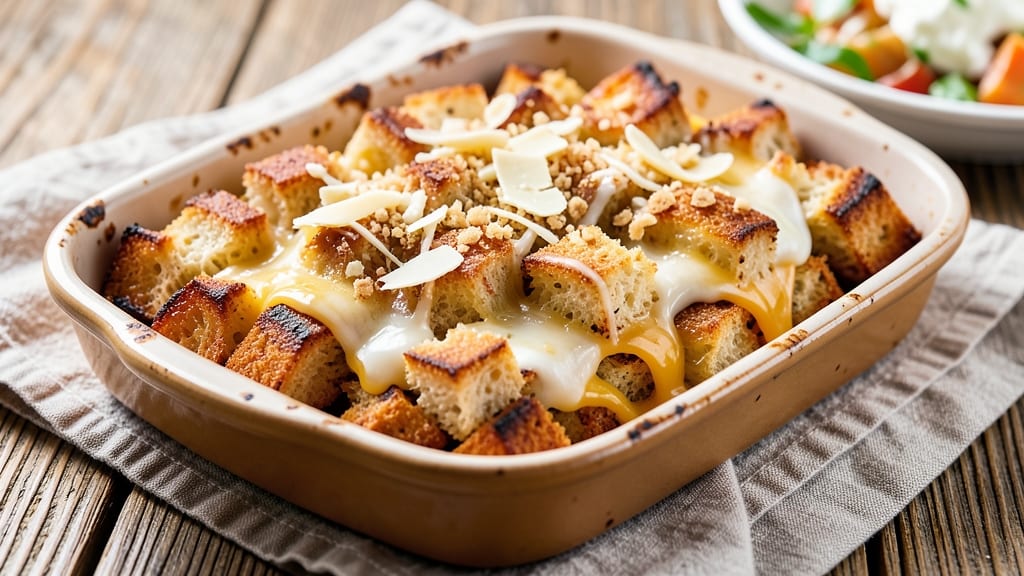
This basic cheese strata recipe delivers the perfect balance of fluffy, eggy layers and a golden, crispy top that’s impossible to resist. The secret lies in soaking bread cubes overnight—transforming stale bread into tender, custard-like perfection while the cheese melts into rich, creamy pockets.
I’ve perfected this method over years of testing, ensuring every bite is both satisfying and foolproof.
The beauty of strata lies in its simplicity: just bread, eggs, milk, and cheese, but the technique makes all the difference. A crispy top forms when baked at the right temperature, while the custardy center stays moist and rich.
Optional add-ins like herbs, spinach, or bell peppers elevate it further, but the classic version remains a crowd-pleaser for brunch or a hearty appetizer.
What sets this recipe apart is the ability to prepare it ahead—just assemble the dish the night before and bake in the morning. The flavors meld beautifully during the soak, resulting in a dish that’s both comforting and impressive.
Whether you’re feeding a crowd or meal prepping for the week, this strata delivers restaurant-quality results with minimal effort.
The key to success is patience—letting the bread soak fully and baking until the top is golden and the center is just set. No fancy tools required, just a baking dish and a little time. Here’s how to achieve that perfect crispy crust and tender layers every time.
Ingredients for basic cheese strata
Six simple ingredients transform stale bread into a restaurant-worthy strata with a crispy top.
| Ingredient | Amount | Notes |
|---|---|---|
| Day-Old Bread 🍞 | 12 cups | Cubed, crusts removed |
| Large Eggs 🥚 | 6 whole | Room temperature preferred |
| Whole Milk 🥛 | 2 cups | Full-fat for creaminess |
| Shredded Sharp Cheddar Cheese 🧀 | 2 cups | Freshly shredded preferred |
| Gruyère Cheese 🧀 | 1 cup | Shredded, nutty flavor |
| Unsalted Butter 🧈 | ½ cup | Melted for topping |
| Salt 🧂 | 1 ½ tsp | Kosher or sea salt |
| Black Pepper 🌶️ | ½ tsp | Freshly ground preferred |
| Fresh Thyme Leaves 🌿 | ¼ cup | Chopped, optional |
| Garlic Powder 🧄 | ½ tsp | For depth of flavor |
| Dried Parsley 🌿 | ½ tsp | For garnish, optional |
The bread is the foundation—day-old loaves work best, but fresh bread can be used if toasted first. Sourdough or crusty French bread adds texture, while Italian or Texas toast keeps it light. Most grocery stores carry these varieties in the bakery section. For the cheeses, sharp cheddar delivers bold flavor, while Gruyère adds nutty depth—both should be freshly shredded (pre-shredded clumps up). If you're short on time, pre-shredded cheddar works, but toss it with a bit of flour to prevent clumping. The butter matters for that golden crust—unsalted ensures you control the seasoning.
No sharp cheddar? Pepper jack or Monterey Jack add heat and creaminess. Gruyère unavailable? Swiss or Gouda are solid substitutes. For a dairy-free twist, nutritional yeast mimics cheesy flavor, though texture will differ. The thyme and parsley are optional but elevate the dish—fresh herbs are ideal, but dried work at half the amount. If you're meal prepping, double the batch and store components separately: bread cubes in a sealed bag, custard mixture in a jar. The key to the crispy top is baking at 350°F (175°C) for 45-50 minutes—don’t rush it.
Assemble the strata the night before and refrigerate uncovered for 6-8 hours—this ensures maximum soaking and flavor infusion. For the crispy top, brush melted butter generously over the custard before baking. If prepping ahead, cover tightly with foil and refrigerate for up to 2 days. Reheat at 325°F (160°C) for 20-25 minutes—the internal temperature should reach 160°F (71°C). Leftovers keep for 4 days in the fridge or 3 months frozen. Portion into single servings before freezing for easy reheating.
Why You'll Love This Recipe
- No-Waste Magic: I swear by using day-old bread—no sad, crusty loaves here. Tear it up, mix it with eggs and milk, and suddenly you’ve got a dish that turns yesterday’s dinner rolls into today’s star.
- Melty Perfection: That sharp cheddar and Gruyère combo? It’s the kind of cheesy goodness that makes you close your eyes. The edges get golden while the inside stays creamy—like a hug in bread form.
- Weeknight Hero: Between us, this is my go-to when I’m too tired to think. Toss everything in a dish, bake, and boom—breakfast-for-dinner that even picky eaters devour. (Yes, even on a Tuesday night.)
- Budget Breakfast: Eggs, milk, and a little cheese stretch for days. Make one big batch, slice it up, and reheat portions—no fancy ingredients, just solid, satisfying meals without breaking the bank.
Step-by-step instructions for cheese strata
Here's how to build fluffy, golden layers with a perfectly crispy top—no shortcuts, just reliable technique.
Cube and Prepare the Bread
Cut the 12 cups of day-old bread into 1-inch cubes, removing crusts as you go. I use a serrated knife for clean cuts and a bread knife for the crusts—this prevents tearing the cubes. Arrange them on a large baking sheet in a single layer and toast in a 350°F oven for 10 minutes, stirring once halfway. The bread should come out dry and slightly crisp at the edges—this prevents a soggy strata.
While the bread toasts, I like to work on the egg mixture. The dry bread will absorb the custard perfectly, but only if it's properly prepped. If you're using sourdough or whole wheat bread, toast for an extra 2-3 minutes—these varieties hold moisture longer and need the extra drying.
Whisk the Egg Custard
In a large bowl, whisk together the 6 whole large eggs, 2 cups whole milk, 1.5 teaspoons salt, 0.5 teaspoon black pepper, 0.5 teaspoon garlic powder, and 0.25 cup chopped fresh thyme leaves until fully combined. The mixture should be smooth with no visible streaks of egg white. I use a fork first to break up the eggs, then switch to a whisk for the final blend—this ensures even emulsification.
Next, fold in the 2 cups shredded sharp cheddar cheese and 1 cup shredded Gruyère cheese using a rubber spatula. Work gently to avoid deflating the custard, but make sure the cheese is evenly distributed. The Gruyère adds a lovely nutty depth that balances the sharp cheddar. If your cheeses are pre-shredded (which often contains anti-caking agents), freshly grating them makes a noticeable difference in texture.
Assemble the Strata in a Baking Dish
Grease a 9x13-inch baking dish generously with 0.25 cup melted unsalted butter (half of the total amount), using a pastry brush to coat the bottom and sides evenly. This prevents sticking and creates a subtle buttery flavor. Arrange half of the toasted bread cubes in the dish, then pour half of the egg-cheese mixture over them. Gently press down so the bread absorbs the custard but doesn't float to the top.
Repeat with the remaining bread and custard, finishing with a final layer of bread cubes on top. This layered approach ensures even cooking and maximum crispiness on top. Press down lightly on the final layer—just enough to create a smooth surface for browning, but not so much that it compacts the bread.
Bake Until Golden and Set
Bake the strata in a 350°F oven for 45-50 minutes, until the top is deep golden brown and a knife inserted near the center comes out clean. The edges should pull away slightly from the baking dish, and the center should feel just set—not jiggly. If the top browns too quickly, tent loosely with aluminum foil after 30 minutes to prevent over-browning while the center finishes cooking.
During the last 10 minutes of baking, melt the remaining 0.25 cup unsalted butter in a small saucepan over low heat. Brush this melted butter generously over the top of the strata right after removing it from the oven. This creates that signature crispy crust while keeping the interior moist. Let the strata rest for 10 minutes before serving—this allows the layers to set properly and makes slicing easier.
Garnish and Serve Warm
While the strata rests, sprinkle the top with 0.5 teaspoon dried parsley for a fresh finish. I like to serve it immediately with a side of marinated vegetables or a simple green salad to cut through the richness. The strata should be golden on top with a custardy, cheesy interior that's perfectly set—not runny, not dry. Each slice should hold its shape when lifted, with crispy edges and a tender, fluffy center.
Real talk: the first time I made this, I skipped the resting step and sliced too soon. The strata fell apart—don't make that mistake. Patience here guarantees a clean slice every time.
Pro Tips For Making Basic Cheese Strata
- Soak Bread Low and Slow: Dump the bread into the egg-milk mix and let it sit at room temp for at least 2 hours—overnight is even better. I used to rush this, and the bread would either turn to mush or stay dry; giving it time lets the liquid soak in evenly without turning the whole thing into soup.
- Shred Cheese Like Snow: Use a box grater for the cheddar and Gruyère, not pre-shredded bags—those clump and melt unevenly. If you’re in a pinch, break up the clumps with your fingers while mixing, but fresh shreds make all the difference in texture.
- Bake Until Golden, Not Just Set: The strata’s done when the top is deep golden, not just pale and firm. If it’s browning too fast, tent it with foil for the last 15 minutes, then uncover to crisp. I’ve learned the hard way that underbaking leaves it gummy, while overbaking turns it dry.
- Whisk Eggs Like You Mean It: Beat the eggs and milk until the mixture is completely smooth—no streaks, no chunks. A few seconds extra with a fork or whisk prevents uneven cooking and those annoying dry spots in the middle. (Yes, even if you’re impatient like me.)
Serving suggestions for this recipe
Brunch Pairings
Serve your cheese strata alongside a fresh fruit salad with seasonal berries and sliced peaches—this bright contrast balances the richness. I love adding 1 cup mixed berries and 1 peach, sliced to a simple 1 tbsp honey dressing.
For a savory twist, pair with crispy bacon or sausage patties to round out the meal. 🍓
Salad Complements
A simple arugula salad with lemon vinaigrette cuts through the cheesy layers beautifully. Toss 4 cups baby arugula with 2 tbsp olive oil, 1 tbsp lemon juice, and 1 tsp Dijon mustard.
Add ¼ cup shaved Parmesan and ½ cup cherry tomatoes for extra freshness. The peppery bite refreshes your palate after each bite.
Beverage Pairings
For a classic brunch, iced tea with a splash of lemon is my go-to—it’s refreshing and balances the dish’s richness. A light white wine like Sauvignon Blanc also works well, especially if your strata includes herbs like thyme.
For a non-alcoholic option, try sparkling water with a splash of cranberry juice for a tangy kick. 🍷
Make-Ahead Serving
If prepping ahead, assemble the strata the night before and refrigerate uncovered. The next morning, bake as directed and serve with warm maple syrup for drizzling. I also like to add toasted baguette slices on the side for extra crunch.
For a heartier meal, pair with scrambled eggs or yogurt parfaits to create a full brunch spread.
Garnish Ideas
Finish your strata with fresh herbs like parsley or chives for a pop of color. A sprinkle of smoked paprika adds warmth, while toasted pine nuts provide crunch.
For a sweet touch, drizzle with honey or balsamic glaze before serving. These garnishes elevate the dish without overpowering its natural flavors. ✨
Nutrition facts
Frequently asked questions
Can I use fresh bread instead of day-old?
Fresh bread works, but it's trickier—it absorbs too much moisture and can make your strata soggy. If you must use it, toast the cubes for an extra 5 minutes at 350°F until completely dry. For best results, stick with day-old bread or stale bread from 2+ days ago.
Why does my cheese strata come out dry?
Overbaking or too much bread are the usual culprits. Bake until the center reaches 160°F (71°C) (a knife should come out clean), and reduce bread by 1 cup if needed. Also, ensure your custard has enough liquid—2 cups milk balances 12 cups bread perfectly.
What's the best way to reheat leftovers?
Wrap slices in foil and reheat at 325°F (160°C) for 15-20 minutes until warmed through. For microwave reheating, cover with a damp paper towel and heat in 30-second intervals to avoid drying out. The internal temp should reach 160°F (71°C).
Can I make this ahead of time?
Assemble the strata the night before and refrigerate uncovered. The bread will soak up the custard perfectly overnight. Bake straight from the fridge (no thawing needed) in the morning—just add 5-10 extra minutes to the baking time.
What cheese substitutes work best?
For a milder flavor, swap cheddar for Monterey Jack. Need something sharper? Try Pepper Jack or Asiago. For a dairy-free version, use nutritional yeast (but texture will differ). Always shred fresh—pre-shredded cheese clumps and doesn't melt as smoothly.