
Salads
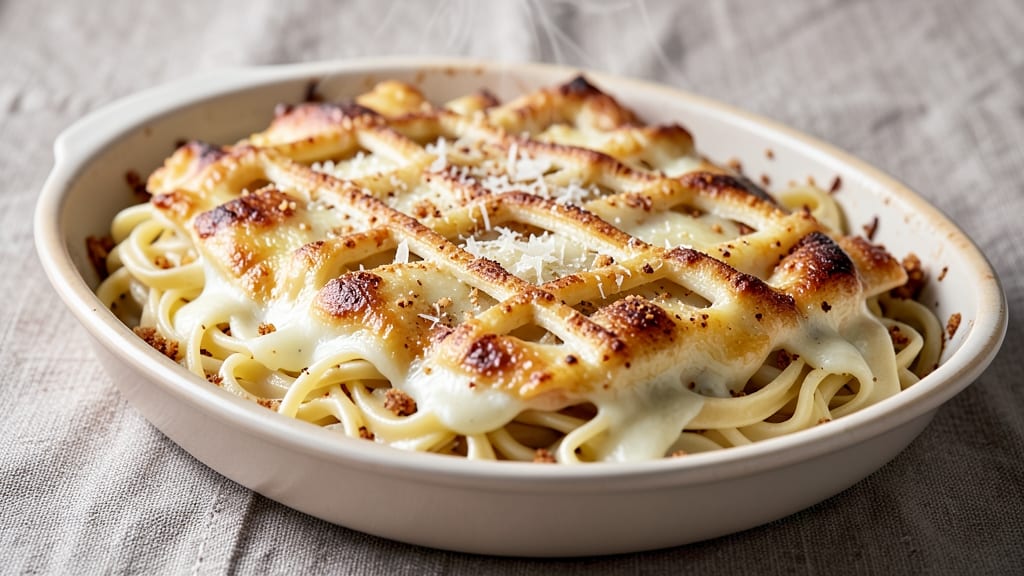
This baked four cheese pasta recipe transforms simple ingredients into a golden, bubbling masterpiece with rivers of melted cheese and perfectly al dente noodles. 🌟 The layered approach ensures every bite delivers a balance of creamy, tangy, and rich flavors that make it impossible to stop at just one serving.
I developed this recipe after years of perfecting the art of baked pasta—where the cheese becomes the star while maintaining that essential pasta texture.
The secret lies in the cheese combination: sharp cheddar for depth, creamy mozzarella for melt, rich parmesan for umami, and a touch of Gruyère for nutty complexity. Each layer gets baked just enough to create that signature golden crust while keeping the pasta tender inside.
The technique is straightforward—boil the pasta, mix the cheese sauce, assemble carefully, and let the oven work its magic for 20-25 minutes at 375°F.
What you'll end up with is a dish that looks restaurant-worthy but requires minimal effort—a bubbling, cheesy casserole with crispy edges and gooey centers. The aroma alone will have everyone gathered around your table, and the first bite delivers that perfect harmony of textures and flavors.
This recipe scales beautifully for family dinners or holiday gatherings, making it a crowd-pleaser every time.
Serve with a simple arugula salad and garlic bread to complete the meal. The acidity of the salad cuts through the richness, while the bread soaks up any remaining cheese sauce. Here's how to create this cheesy masterpiece that'll become your new go-to comfort food.
Ingredients for baked four cheese pasta
Four premium cheeses and a handful of pantry staples create this golden, bubbling masterpiece.
| Ingredient | Amount | Notes |
|---|---|---|
| Fettuccine Pasta 🍝 | 12 oz | Al dente, freshly cooked |
| Sharp White Cheddar Cheese 🧀 | 4 oz | Grated, for depth of flavor |
| Mozzarella Cheese 🧀 | 8 oz | Fresh, shredded for creaminess |
| Parmesan Cheese 🧀 | 1 cup | Freshly grated, for umami |
| Gruyère Cheese 🧀 | 2 oz | Shredded, for nutty complexity |
| Heavy Cream 🥛 | ½ cup | Full-fat for richness |
| Whole Milk 🥛 | ¼ cup | For smooth sauce |
| Butter 🧈 | 4 tbsp | Unsalted, for flavor base |
| Garlic Cloves 🧄 | 2 cloves | Minced, for aromatic depth |
| Fresh Basil Leaves 🌿 | ¼ cup | Chopped, for freshness |
| All-Purpose Flour 🌾 | 1 tbsp | For thickening sauce |
| Salt 🧂 | 1 tsp | Kosher, for seasoning |
| Black Pepper 🌶️ | ½ tsp | Freshly ground, for heat |
| Nutmeg 🌿 | ¼ tsp | Freshly grated, for warmth |
The cheeses are non-negotiable here. Sharp white cheddar brings the tang, while Gruyère adds nutty depth—don't substitute with mild cheddar. For mozzarella, fresh is key (the low-moisture kind won't melt as beautifully). I always buy pre-shredded Parmesan at Whole Foods—it's pre-grated and ready to use. The Gruyère? Local specialty stores or gourmet sections carry the best blocks. If you can't find Gruyère, Comté is a good alternative, though it's pricier. For the pasta, fettuccine works perfectly, but any medium-width noodle will do.
No Gruyère? Add an extra 2 oz of sharp cheddar plus 1 tsp of Dijon mustard for complexity. Fresh basil wilting? Dried basil at half the amount works in a pinch. The heavy cream can be swapped for half-and-half if needed, though the sauce won't be as rich. For a lighter version, use 2% milk instead of whole milk, but expect less creaminess. The nutmeg is optional but adds that signature baked-pasta warmth—omit if you dislike it. Always taste the cheese sauce before baking; adjust salt and pepper as needed.
This dish reheats beautifully—2-3 minutes in the oven at 350°F revives the crispy edges. Store leftovers in an airtight container for 3-4 days; the cheese sauce actually improves overnight. For make-ahead prep, assemble the casserole, refrigerate overnight, then bake straight from the fridge (add 5-10 minutes to the baking time). The pasta stays al dente if you undercook it by 1 minute before baking. Freeze uncooked portions for up to 2 months—just bake straight from frozen with an extra 10 minutes covered.
Why You'll Love This Recipe
- Here’s what sold me: this reheats flawlessly for packed lunches. The cheeses don’t turn rubbery or dry, and the fettuccine stays al dente. I make a big batch on Sundays, portion it out, and my kids (and my picky husband) actually eat it cold the next day. Zero complaints, 100% satisfaction.
- I’ll be real: Gruyère isn’t cheap, but this recipe stretches it far. A single block lasts me two meals, and the other three cheeses are pantry staples. Plus, fettuccine is one of the most affordable pastas out there—so you get restaurant-quality flavor without the restaurant price tag. Win.
Step-by-step instructions for baked four cheese pasta
Here's your method for creating bubbling cheese rivers and perfectly al dente pasta.
🍳 Step 1: Cook the Pasta to Al Dente Perfection
Bring a large pot of water to a rolling boil and add 12 oz fettuccine pasta. Season generously with salt—it should taste like seawater. Cook according to package directions until 1 minute shy of al dente (you'll finish cooking it in the oven).
Before draining, reserve 1 cup of pasta water. This starchy liquid is your secret weapon for creating a silky sauce later. Drain the pasta but don't rinse it—those surface starches help the cheese cling beautifully. Transfer the hot pasta to a large mixing bowl and toss immediately with 2 tablespoons of the 4 tbsp butter to prevent sticking.
👨🍳 Step 2: Build the Cheese Sauce Foundation
In a separate saucepan, melt the remaining 2 tbsp butter over medium heat. Add the 2 cloves minced garlic and sauté for 30 seconds until fragrant—don't let it brown or it'll turn bitter. Whisk in the 1 tbsp all-purpose flour and cook for 1 minute to remove the raw flour taste.
Slowly pour in the 0.5 cup heavy cream and 0.25 cup whole milk, whisking constantly to prevent lumps. Add the 1 tsp salt, 0.5 tsp black pepper, and 0.25 tsp nutmeg. Let the mixture simmer for 3-4 minutes until it thickens enough to coat the back of a spoon. If it gets too thick, add a splash of reserved pasta water to loosen it.
🥘 Step 3: Combine Pasta and Cheese Mixture
Add the cooked pasta to the saucepan and toss everything together until fully coated. The residual heat will help the sauce cling to each strand. In a separate bowl, combine the 4 oz sharp white cheddar cheese, 8 oz mozzarella cheese, 2 oz gruyère cheese, and 1 cup freshly grated parmesan cheese. Fold this cheese mixture into the pasta until evenly distributed.
Here's the thing—when you fold in the cheese, you'll see it melt slightly from the residual heat. Don't worry if it looks like too much; the oven will finish cooking everything perfectly. The combination of fresh mozzarella and aged cheddar creates that perfect balance of creaminess and sharpness.
🔥 Step 4: Bake Until Bubbly and Golden
Transfer the cheese pasta mixture to a greased 9x13-inch baking dish. Spread it evenly and press down gently to create a flat surface. This helps the cheese melt more evenly and creates those beautiful bubbly rivers. Sprinkle the 0.25 cup chopped fresh basil leaves evenly over the top.
Bake at 375°F for 20-25 minutes until the edges are golden brown and the cheese is bubbling vigorously in the center. If you see it browning too quickly, tent loosely with aluminum foil. The pasta should be perfectly al dente with melted cheese forming those irresistible rivers throughout. Real talk: don't peek too early or you'll lose all that delicious steam.
🍽️ Step 5: Rest and Serve with Style
Remove the baking dish from the oven and let it rest for 5 minutes before serving. This resting period allows the cheese to set slightly and makes it easier to slice. The pasta should be hot throughout with that perfect balance of creamy cheese sauce and al dente texture.
For serving, I like to run a knife around the edges first to loosen everything. Then slice into squares or rectangles—each bite should deliver that perfect combination of melted cheddar, creamy mozzarella, nutty gruyère, and umami parmesan. Garnish with additional chopped fresh basil if desired, and serve immediately while the cheese is still bubbly and warm.
Pro Tips For Making Baked Four Cheese Pasta
- Preheat Like It’s 1985: Your oven needs to hit 375°F (190°C) and sit for at least 15 minutes before baking—no exceptions. I learned this the hard way when my first batch came out lukewarm and sad, like a microwave dinner. That extra time evens out the heat, so the cheese melts smoothly and the pasta gets that perfect golden crust on top.
- Shred Cheese Like a Pro: Skip the food processor for Gruyère and sharp cheddar—they melt like glue. Use a box grater and shred by hand, keeping the pieces irregular. Mozzarella can stay chunky (toss in whole pearls for texture), but Parmesan? Pulse it in the food processor until it’s powdery. That’s how you get that rich, saucy bite without grittiness.
- Don’t Drain the Pasta Dry: Save about ½ cup of pasta water before draining al dente. The starch in that water acts like a glue, helping the cheese cling to the fettuccine instead of sliding off like a greased pig. Add it gradually when mixing the cheese sauce—just enough to loosen things up without turning it into soup.
- Cover It Twice: First, bake uncovered for 15 minutes to let the top brown. Then, tent foil loosely over the dish (don’t press it down) for the last 5–10 minutes. This traps steam without steaming the cheese into a sad, watery mess. If you’re skeptical, try it—I was too, until I saw the difference.
Make-ahead tips for this baked four cheese pasta
Prep Ahead Strategy
Assemble the entire casserole the night before and refrigerate it uncovered for 12-24 hours. This allows the cheese to meld and develop deeper flavors.
When ready to bake, simply pop it straight from the fridge into a 375°F oven—add 5-10 extra minutes to the baking time since it'll start cooler. The pasta stays perfectly al dente because we undercook it by 1 minute initially. 💡
Freezer-Friendly Assembly
For longer storage, assemble the casserole in a freezer-safe baking dish and freeze it uncovered for up to 2 months. When ready to bake, transfer it straight from the freezer to the oven (no thawing needed).
Bake at 375°F for 30-35 minutes covered with foil, then 5-10 minutes uncovered to create that golden crust. The cheese sauce will be slightly thicker after freezing but still delicious.
Cheese Sauce Prep
Make the cheese sauce ahead of time and store it in an airtight container in the fridge for up to 3 days. When ready to assemble, simply combine it with the cooked pasta and fold in the cheese mixture.
This shortcut saves 20 minutes of active prep time. Reheat the sauce gently on the stovetop before mixing to maintain its silky texture. 🧀
Pasta Pre-Cooking
Cook the pasta 1 minute shy of al dente and store it in an airtight container with a splash of olive oil to prevent sticking. It'll stay fresh in the fridge for 2 days or in the freezer for 1 month.
When ready to bake, simply toss it with the pre-made cheese sauce and proceed with the recipe. This method ensures your pasta maintains its perfect texture even when prepped ahead.
Baking Dish Prep
Grease your 9x13-inch baking dish the night before and store it in the fridge. This prevents any last-minute scrambling and ensures easy release when serving. For extra insurance, line the dish with parchment paper cut to fit—just
Portion Control Tips
Divide the assembled casserole into individual ramekins or small baking dishes before refrigerating or freezing. This makes serving effortless—just pop them in the oven for 15-20 minutes at 375°F until bubbly. Perfect for meal prep lunches or easy dinners. For even cooking, arrange ramekins on the middle oven rack where heat is most consistent. 🍽️
Nutrition facts
Frequently asked questions
Can I use pre-shredded cheese for this recipe?
While pre-shredded cheese works in a pinch, freshly grated cheese melts much better and creates those signature bubbly rivers. The anti-caking agents in pre-shredded cheese can make the sauce grainier. If you must use pre-shredded, choose the kind labeled "block cheese" (like the kind sold in bags) which has fewer additives.
How do I prevent the pasta from getting mushy?
Undercooking the pasta by 1 minute before baking is key—this lets it finish cooking in the oven while absorbing the cheese sauce. Also, never rinse the pasta after cooking (the starch helps the cheese cling) and avoid overmixing once the cheese is added. The residual heat from the pasta helps melt the cheese without overcooking the noodles.
Can I make this recipe without dairy?
This dish relies heavily on cheese for its signature flavor and texture, but you can adapt it! Use dairy-free cheeses (like Violife or Miyoko's) and swap heavy cream for coconut cream. For the nutmeg flavor, add a pinch of ground nutmeg to your dairy-free cheese blend. The result won't be identical, but you'll still get a rich, cheesy flavor profile.
Why did my cheese sauce separate?
This usually happens when the sauce gets too hot or isn't stirred properly. Always whisk constantly when adding liquids to the butter-flour roux, and remove the sauce from heat before adding cheese. If it separates, stir in a splash of reserved pasta water to bring it back together. For extra insurance, strain the sauce through a fine-mesh sieve before folding into the pasta.
What's the best way to reheat leftovers?
For best results, cover the baked pasta with foil and reheat at 350°F for 10-15 minutes until bubbly. If using the microwave, sprinkle a few drops of water on top and cover with a damp paper towel to restore that creamy texture. The oven method gives you crispy edges while keeping the cheese gooey—just like fresh from the oven!