
Sauces & Condiments
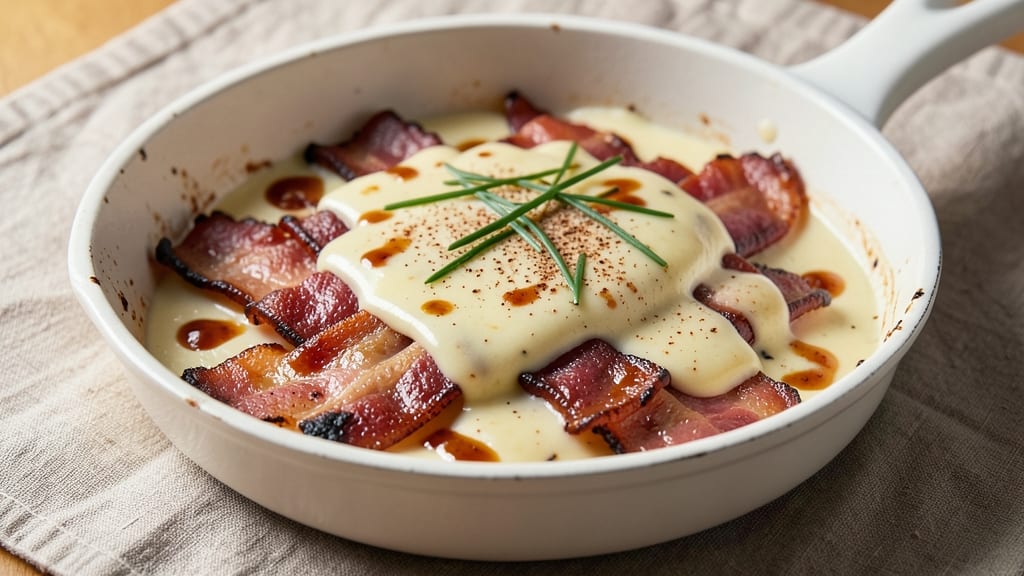
This bacon cheese sauce recipe transforms ordinary meals into smoky, creamy masterpieces—perfect for drizzling over grilled steaks, baked potatoes, or crispy roasted vegetables.
The key lies in slow-cooked bacon that infuses rich, savory depth into a velvety cheese base, creating a sauce so irresistible it disappears faster than you can say "second helping."
I developed this version after years of experimenting with restaurant-quality techniques at home, ensuring every spoonful delivers that perfect balance of smokiness and creaminess.
The foundation starts with crispy bacon rendered until golden, then simmered in butter to develop maximum flavor before blending with sharp cheddar and heavy cream. A touch of Dijon mustard adds subtle tang, while a pinch of smoked paprika deepens the smoky profile without overpowering.
What makes this sauce truly special is its foolproof technique—no lumps, no burning, just a silky glaze that clings beautifully to any protein or vegetable you pour it over.
By the time you're done, you'll have a creamy, smoky sauce that's rich enough to stand alone but versatile enough to elevate any dish. The bacon adds layers of umami that cut through fatty meats, while the cheese melts into a luxurious consistency that's impossible to resist.
This isn't just a sauce—it's the secret weapon that turns simple meals into restaurant-worthy experiences.
Store leftovers in an airtight container in the fridge for up to 5 days, or freeze for 3 months—just reheat gently on the stove, stirring constantly to prevent separation. Perfect for pasta, burgers, grilled chicken, or even as a dip for fries. Let's make this sauce!
Ingredients for bacon cheese sauce
Nine ingredients. One sauce. Restaurant-quality smoky creaminess in your kitchen.
| Ingredient | Amount | Notes |
|---|---|---|
| Thick-Cut Bacon 🥓 | 6 oz | Thick-cut for maximum crispiness |
| Unsalted Butter 🧈 | 4 tbsp | Cold, cubed for even melting |
| Sharp White Cheddar Cheese 🧀 | 1 cup | Shredded, aged 6+ months preferred |
| Heavy Whipping Cream 🥛 | ½ cup | Full-fat for luxurious texture |
| Dijon Mustard 🍯 | 1 tsp | High-quality, tangy variety |
| Smoked Paprika 🌶️ | ½ tsp | For authentic smoky depth |
| Garlic Cloves 🧄 | 1 whole | Fresh, lightly crushed |
| Black Pepper 🌶️ | ¼ tsp | Freshly cracked for brightness |
| Kosher Salt 🧂 | ¼ tsp | Diamond Crystal preferred |
The bacon is non-negotiable—thick-cut, thick-cut only, for that perfect crunch and deep flavor. Costco or Trader Joe's carry excellent options, but any quality brand works. Render it low and slow until the fat is golden and crispy—this is where the magic happens. The cheese needs to be sharp white cheddar, aged at least 6 months for that tangy bite. Cabot or Wisconsin craft cheddars are my go-tos, but any aged cheddar will do. Shred it yourself for the best texture—pre-shredded gets gummy when melted.
No thick-cut bacon? Thin-cut bacon cooked twice (first for crispiness, second for extra fat) works in a pinch. Substituting sharp cheddar? Gruyère or smoked Gouda add different but delicious depth. Heavy cream too rich? Half-and-half lightens it up without sacrificing creaminess. The Dijon mustard is essential—it cuts through the richness, so don't skip it. For extra smokiness, add a pinch of liquid smoke (just a quarter teaspoon), but trust me, the smoked paprika does most of the work.
This sauce is a flavor bomb that reheats beautifully—just warm gently on the stove, stirring constantly to prevent separation. Keeps 5 days in the fridge, 3 months frozen. For freezing, let it cool completely first, then store in an airtight container. I always double the batch—one for immediate use, one to freeze for lazy weeknights. The sauce thickens as it cools, so thin with a splash of warm milk or cream if needed when reheating.
Why You'll Love This Recipe
- One-Pan Magic: I swear by this—no chopping, no fuss. Just crisp up thick-cut bacon in a skillet, drain the fat, and let it melt into the butter and cheese. Honestly, the hardest part is waiting for the sauce to thicken.
- Rich, Tangy Crunch: That sharp white cheddar and Dijon mustard? It’s the secret weapon. The cheese melts into a velvety blanket while the bacon adds a smoky punch—creamy, salty, and just a little tangy. (Yes, even on a Tuesday night.)
- Game for Any Meal: Drizzle it over roasted veggies, toss it with pasta, or use it as a dip for bread. I’ve even used it to glaze chicken thighs—it’s that versatile. The sauce keeps well too, so it’s my go-to for busy weeks.
- Budget-Friendly Luxury: A little goes a long way, and thick-cut bacon stretches further than you’d think. Between us, this recipe makes leftovers feel indulgent without breaking the bank. Plus, the cream and cheese turn cheap ingredients into something restaurant-worthy.
Step-by-step instructions for bacon cheese sauce
This rich, smoky sauce delivers velvety perfection every time—just follow these precise steps.
Cook the Bacon Until Crisp
Place the 6 oz thick-cut bacon in a large skillet over medium heat. Cook undisturbed for 8-10 minutes until the edges are deeply golden and the fat begins to render. I press down gently on the bacon during the first minute—this prevents it from curling and ensures even contact with the pan.
Once the bacon reaches golden brown with crispy edges, use tongs to transfer it to a paper towel-lined plate, leaving all the rendered fat in the skillet. You should have about 3-4 tablespoons of bacon fat remaining—this is your flavor foundation. If you need more fat, add 1 tablespoon of the unsalted butter to the skillet and let it melt completely.
Build the Flavor Base
Reduce the heat to medium-low and add the 4 tbsp unsalted butter (if not already melted) along with the 1 whole garlic clove, lightly crushed. Cook for 1-2 minutes until the garlic becomes fragrant but doesn't brown—this prevents bitterness. Stir constantly to distribute the melted butter evenly.
Sprinkle in the 0.5 tsp smoked paprika and 0.25 tsp black pepper, stirring immediately to coat the butter and bacon fat. The paprika will dissolve quickly, adding that essential smoky depth. Here's the thing—smoked paprika burns easily, so keep the heat at medium-low and don't walk away. You want it to bloom, not char.
Incorporate the Cheese
Lower the heat to low and gradually add the 1 cup sharp white cheddar cheese, stirring constantly with a wooden spoon. The cheese should begin to melt almost immediately, creating a thick, glossy paste. If the mixture looks too stiff, add 1 tablespoon of the heavy whipping cream to help it blend smoothly.
Continue stirring for 2-3 minutes until the cheese is completely melted and the sauce becomes silky. You'll know it's ready when it coats the back of a spoon with a smooth, velvety texture. This is where patience pays off—rushing this step can create lumps that won't dissolve, even when you add the cream later.
Finish with Cream and Mustard
Pour in the 0.5 cup heavy whipping cream and the 1 tsp Dijon mustard, stirring vigorously to combine. The mustard adds a subtle tang that balances the richness of the cheese and bacon. Simmer the sauce gently for 3-4 minutes until it thickens slightly—it should coat the spoon but still flow smoothly.
Taste and adjust seasoning with the 0.25 tsp kosher salt if needed. The sauce should be rich, smoky, and slightly tangy. If it's too thick, whisk in 1-2 tablespoons of hot water to reach your desired consistency. Real talk: this sauce tastes even better after sitting for 10 minutes, as the flavors meld together perfectly.
Use Immediately or Store Properly
For immediate use, drizzle the warm sauce over grilled meats, roasted vegetables, or mashed potatoes. The heat from the food will help it melt beautifully into a glossy glaze. If storing, let the sauce cool slightly, then transfer it to an airtight container. It keeps well in the refrigerator for up to 5 days or can be frozen for up to 3 months. When reheating, warm over low heat and stir frequently to prevent separation.
This sauce transforms ordinary dishes into something extraordinary—creamy, smoky, and packed with flavor. The key to success lies in the slow, steady melting of the cheese and the proper balance of cream and mustard. Trust the process, and you'll have a sauce that's restaurant-quality every time.
Pro Tips For Making Bacon Cheese Sauce
- CRISP THE BACON FIRST: Cook the thick-cut bacon until it’s deep golden, not just pink—about 12-15 minutes on medium-low heat. The fat renders slower but yields richer flavor, and you’ll use that bacon grease later instead of extra butter. (Yes, I know it takes longer, but the sauce tastes like it’s been simmering for hours.)
- GRATE THE CHEESE FINE: Sharp white cheddar clumps like a stubborn toddler if you’re not careful. Use the smallest holes on your box grater—or pulse it in a food processor—and keep a splash of cold water nearby to toss in clumps. Smooth sauce starts here.
- LOW AND SLOW WITH THE CREAM: After adding the cream, drop the heat to barely simmering—think tiny bubbles at the edges, not a rolling boil. Too much heat curdles the cream faster than you can say “sauce disaster.” Stir occasionally, and resist the urge to rush it.
- SAVE THE BACON GREASE: Drain the bacon but leave the grease in the pan—it’s liquid gold for the sauce. Skip the paper towels; just pour the cooked bacon into a bowl and let the fat stay put. You’ll need every drop for that deep, smoky richness. (Trust me, I’ve made the mistake of tossing it.)
Common mistakes when making this recipe
Overcooking the Bacon
Crispy bacon is the flavor foundation, but burning it turns the fat bitter and smoky—completely ruining your sauce. I’ve seen home cooks crank the heat too high, thinking it’ll cook faster, but that’s a recipe for disaster.
Keep the heat at medium and never walk away. The edges should be golden brown with crispy bits, not blackened. If you notice the bacon starting to smoke, reduce the heat immediately. 🔥
Adding Cheese Too Quickly
Dumping all the cheese at once creates lumps that won’t melt smoothly, no matter how much you stir. Instead, add it gradually, 1 tablespoon at a time, while stirring constantly. I’ve learned this the hard way—once, I rushed and ended up with a grainy, clumpy mess.
If you see lumps forming, whisk in 1 tablespoon of warm cream to help dissolve them before adding more cheese.
Skipping the Low-and-Slow Approach
Cheese needs time to melt evenly, and rushing this step is a common mistake. Too much heat causes the sauce to separate or curdle. Always keep the heat at low when melting the cheese, and stir continuously for 2-3 minutes until it’s completely smooth.
Patience here ensures that silky, velvety texture we all love. 💫
Ignoring the Mustard
The Dijon mustard isn’t just an afterthought—it’s what balances the richness of the cheese and bacon. Skipping it (or using regular mustard) leaves the sauce flat and one-dimensional. That 1 teaspoon of high-quality Dijon adds a bright, tangy kick that cuts through the fat.
If you’re out, a pinch of lemon juice in a pinch, but Dijon is the real MVP here.
Reheating Too Aggressively
Microwaving or heating the sauce too quickly causes it to separate into a greasy mess. Always reheat over low heat, stirring constantly, until just warmed through. If it thickens too much, whisk in 1 tablespoon of warm milk or cream to restore its silky consistency.
I’ve seen sauces go from creamy perfection to sad, oily puddles in seconds—don’t let that happen to yours!
Using Pre-Shredded Cheese
Pre-shredded cheese is coated with anti-caking agents that prevent it from melting smoothly, leading to a grainy sauce. Always shred your own cheese—it’s worth the extra 2 minutes of effort.
Sharp white cheddar works best, but if you’re in a pinch, Gruyère or smoked Gouda are great substitutes. Trust me, the texture difference is night and day. 🧀
Nutrition facts
Frequently asked questions about bacon cheese sauce
Can I make this sauce without bacon?
The bacon is what gives this sauce its signature smoky depth and richness, but you can substitute 2 tablespoons of bacon fat or 1 tablespoon of liquid smoke if needed. For a similar umami boost, try adding 1 teaspoon of Worcestershire sauce or a pinch of smoked salt. The texture will be slightly different, but it'll still be delicious!
What's the best way to use leftover sauce?
This sauce is incredibly versatile! Drizzle it over grilled steaks, baked potatoes, or mac and cheese for extra richness. It also makes an amazing dip for fries or veggie sticks, or mix it into scrambled eggs for a decadent breakfast. Just reheat gently on the stove, stirring constantly to maintain that creamy texture.
How do I fix a sauce that's too thick or separated?
If your sauce is too thick, whisk in 1 tablespoon of warm milk or cream at a time until it reaches your desired consistency. For separation, gently reheat the sauce over low heat, stirring constantly. If it still separates, whisk in 1 tablespoon of warm cream or butter to help re-emulsify it. Patience is key—don't rush the process!
Can I make this sauce dairy-free?
Yes! Swap the heavy cream for coconut milk or cashew cream, and use a dairy-free cheese like sharp cheddar made from almond or coconut milk. For extra richness, add 1 tablespoon of nutritional yeast. The texture will be slightly lighter, but it'll still be packed with flavor.
Why did my sauce turn out grainy?
Graininess usually happens when cheese melts unevenly or when pre-shredded cheese (with anti-caking agents) is used. Always shred your own cheese and melt it slowly over low heat, stirring constantly. If lumps form, whisk in 1 tablespoon of warm cream to help dissolve them. For next time, try adding 1/4 teaspoon of cornstarch mixed with a little cold water to thicken and smooth the sauce.