
Side Dishes
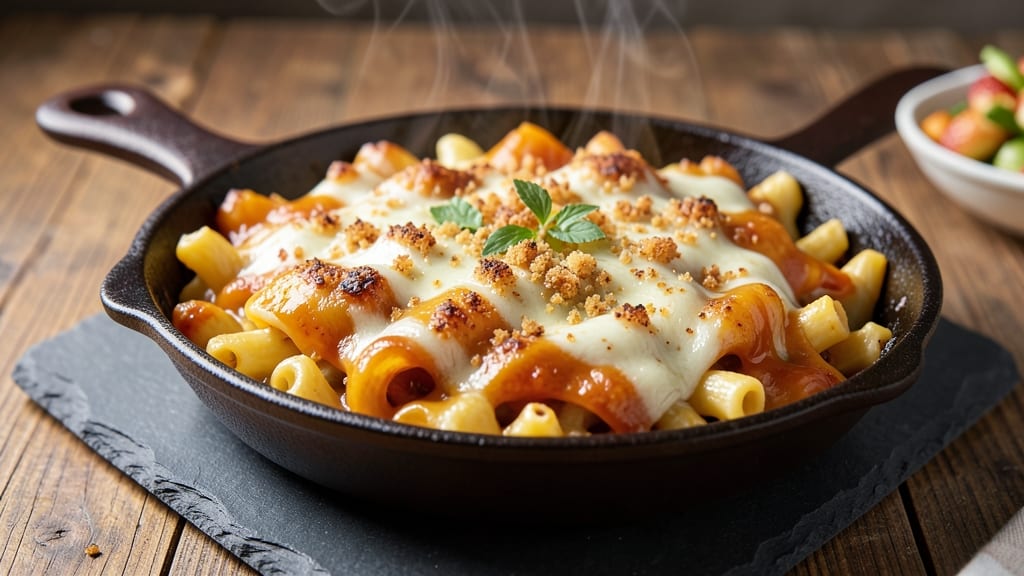
This baked mac and cheese recipe with ground mustard transforms a classic comfort food into something unexpectedly sophisticated. The secret lies in that pinch of ground mustard—it cuts through the richness while adding a sharp, tangy depth that makes every forkful sing.
I developed this version after years of testing, and the difference between this and ordinary mac and cheese is night and day.
The technique is straightforward but precise: a velvety cheese sauce built with sharp cheddar, Gruyère, and cream cheese, then folded into al dente elbow macaroni. The ground mustard works its magic in the sauce, creating that signature tang that balances the creaminess.
A buttery breadcrumb topping adds texture, while baking until bubbly ensures that perfect golden crust we all crave.
What you end up with is a dish that's rich yet balanced, creamy yet textured, and packed with that unmistakable mustard kick that makes it unforgettable. The sauce clings to every noodle, the edges get crispy and golden, and the aroma alone will have everyone gathered around your table.
This is comfort food with a gourmet twist—elevated without being complicated.
Serve with a crisp green salad or roasted vegetables to round out the meal. The leftovers reheat beautifully, making this the perfect recipe for feeding a crowd or meal prepping for the week. Let's get started on creating this restaurant-quality mac and cheese at home.
Ingredients for baked mac and cheese recipe with ground mustard
Six servings of comfort food with a sophisticated twist—just these ingredients transform ordinary mac and cheese into restaurant-quality masterpiece.
| Ingredient | Amount | Notes |
|---|---|---|
| Elbow Macaroni 🍝 | 1 ½ lbs | Al dente, cooked according to package |
| Sharp Cheddar Cheese 🧀 | 2 cups | Shredded, block preferred |
| Gruyère Cheese 🧀 | 1 cup | Shredded, aged for best flavor |
| Cream Cheese 🧈 | 8 oz | Full-fat, room temperature |
| Heavy Cream 🥛 | 1 cup | Full-fat for richness |
| Whole Milk 🥛 | ½ cup | Warmed for smooth sauce |
| Ground Mustard 🌶️ | 1 tsp | Key for tangy depth |
| Butter 🧈 | ½ cup | Unsalted, melted |
| All-Purpose Flour 🌾 | ¼ cup | For smooth sauce |
| Garlic Cloves 🧄 | 2 cloves | Minced, fresh preferred |
| Salt 🧂 | 1 ½ tsp | Kosher or sea salt |
| Black Pepper 🌶️ | ½ tsp | Freshly ground |
| Panko Breadcrumbs 🍞 | ½ cup | For crispy topping |
| Extra-Virgin Olive Oil 🫒 | 1 tbsp | For breadcrumb topping |
| Nutritional Yeast 🌿 | 1 tbsp | Optional for cheesy boost |
The cheeses are where this dish shines. Sharp cheddar gives that classic tang, while Gruyère adds nutty depth—don't skip it. I grab Kraft sharp cheddar for convenience (it melts perfectly), but for that extra oomph, Cabot or Tillamook take it to the next level. The cream cheese is non-negotiable—it's what makes the sauce silky. Philadelphia brand is my go-to, but any full-fat works. For the Gruyère, Whittard of Chelsea is worth the splurge if you're feeling fancy, but the pre-shredded stuff from the grocery store cheese aisle does fine in a pinch. Just make sure it's aged—you'll taste the difference.
No sharp cheddar? Extra sharp white cheddar works, or swap half for Parmesan for a different twist. Running low on Gruyère? Comté or Emmental are great substitutes. The ground mustard is crucial—Colman's or French's are reliable brands, but if you've got Dijon mustard, use half the amount. For the breadcrumbs, panko gives the best texture, but regular breadcrumbs toasted in the oven work too. The nutritional yeast is optional but adds that extra cheesy punch without dairy—perfect if you're sneaking this into a vegetarian menu.
This keeps beautifully for 4-5 days in the fridge, though honestly it tastes even better the next day as the flavors meld. For freezing, portion into individual servings—it reheats perfectly in the oven at 350°F for 15-20 minutes. The breadcrumb topping gets crispy again when reheated, so don't skip it. I always make a double batch because it disappears so fast—leftovers make amazing lunches or late-night snacks. Store any extra sauce in a jar in the fridge for up to 1 week—great for quick pasta dishes later.
Why You'll Love This Recipe
- No-Sauce Struggle: I swear by this method—just toss the cooked pasta with melted cheeses and heavy cream, then stir in that ground mustard. No separate roux, no waiting for a starchy slurry to thicken. Honestly, I went back to stovetop mac once, and I almost cried from the extra cleanup.
- Gruyère Magic: That nutty Gruyère? It’s the star here. When it melts into the sharp cheddar and cream cheese, the mustard ties it all together like a secret handshake—tangy, deep, and just a little funky. My picky eaters actually ask for seconds, and that’s saying something.
- Weeknight & Potluck: This bakes in 25 minutes, so it’s my go-to for game days, lazy Sundays, or when I need to feed a crowd without stress. Between us, I’ve even served it at dinner parties—no one ever guesses how unfussy it is. (Yes, even on a Tuesday night.)
- Budget-Friendly Leftovers: A single batch stretches to three meals, and the mustard keeps it tasting fresh, not stale. I freeze portions too—just reheat with a splash of milk, and it’s like it came straight out of the oven. My wallet (and my family) thank me every time.
Step-by-step instructions for baked mac and cheese with ground mustard
Here's how to make a baked mac and cheese so rich and tangy, you'll want to eat it straight from the pan.
Cook the Elbow Macaroni to Al Dente Perfection
Bring a large pot of water to a rolling boil and add 1.5 lbs elbow macaroni. Stir immediately to prevent sticking. Cook until 1 minute before the package directions call for al dente—it'll finish cooking in the oven. Drain the pasta in a colander, reserving 1 cup of pasta water (this starchy liquid is the secret to a silky sauce).
I always give the pasta a quick rinse under cold water to stop the cooking process completely. Then, transfer the drained pasta to a large mixing bowl. The residual heat will keep it warm while you prepare the cheese sauce. This step ensures your mac and cheese has that perfect bite, not mushy or overcooked.
Make the Creamy Cheese Sauce with Mustard Tang
In a separate saucepan, melt 0.5 cup butter over medium heat. Once melted, whisk in 0.25 cup all-purpose flour to create a roux. Cook for 1-2 minutes until the mixture turns a light golden color and smells nutty—this is called "blonding" and prevents a raw flour taste.
Gradually whisk in 1 cup heavy cream and 0.5 cup warmed whole milk, adding them slowly to avoid lumps. Stir constantly until the mixture thickens enough to coat the back of a spoon. Remove from heat and let it cool for 2 minutes. Then, add 2 cups shredded sharp cheddar cheese, 1 cup shredded Gruyère cheese, 8 oz cream cheese, 1 tsp ground mustard, 1.5 tsp salt, 0.5 tsp black pepper, and 1 tbsp nutritional yeast (if using). Stir until the cheeses melt completely and the sauce becomes smooth and glossy.
Combine Pasta and Sauce for Maximum Cheese Love
Pour the warm cheese sauce over the cooked elbow macaroni in the mixing bowl. Add the 2 minced garlic cloves and gently fold everything together until the pasta is fully coated and no dry spots remain. Here's the thing—don't overmix. You want the cheese to cling to the pasta, not turn into a dense, gluey mess. If the mixture looks too thick, add 2-3 tablespoons of reserved pasta water to loosen it.
Taste the mixture and adjust the seasoning if needed. The ground mustard should add a subtle tang that brightens the richness of the cheeses. If it needs more salt or pepper, add it now. Once everything is well combined, transfer the mac and cheese to a 9x13-inch baking dish, spreading it out evenly. This ensures even baking and a golden-brown top.
Add the Crispy Breadcrumb Topping
In a small bowl, mix together 0.5 cup panko breadcrumbs, 1 tbsp extra-virgin olive oil, and a pinch of salt. Sprinkle this mixture evenly over the top of the mac and cheese. The breadcrumbs will create a crispy, crunchy layer that contrasts beautifully with the creamy interior. For extra flavor, you can also sprinkle a little more black pepper or even a pinch of smoked paprika on top.
Pop the baking dish into a 375°F oven and bake for 25-30 minutes, until the top is golden brown and the edges are bubbling. The cheese should be fully melted and the breadcrumbs should be crispy. If the top isn't browning enough, broil for 1-2 minutes at the end, keeping a close eye on it to avoid burning.
Rest and Serve for the Best Texture
Let the baked mac and cheese rest for 5-10 minutes before serving. This resting time allows the cheese to set slightly, making it easier to slice and preventing a runny mess. The breadcrumb topping will stay crispy, and the cheese will hold together beautifully. Serve it warm with a side of steamed green beans or a simple garden salad for a complete meal.
Here's the moment that matters: when you cut into it, you want to see that perfect contrast—the creamy, cheesy interior with a crispy, golden-brown top. Each bite should be rich, tangy, and utterly satisfying. And trust me, the ground mustard makes all the difference in cutting through the richness of the cheeses. Enjoy your baked mac and cheese!
Pro Tips For Making Baked Mac And Cheese Recipe With Ground Mustard
- Pre-Cook Macaroni Al Dente: DESCRIPTION: Boil elbows 1-2 minutes less than package instructions—this prevents mush when baked. I learned this the hard way after slurping up a watery mess straight from the oven. Drain well, too, or that extra starch turns your sauce into glue.
- Shred Cheese Like a Pro: DESCRIPTION: Use a box grater for sharp cheddar and a mandoline for gruyère—uneven shreds melt unevenly. My grandmother swore by this, and she was right: the finer the shred, the silkier the sauce. Skip the pre-shredded stuff; it’s coated in anti-caking agents that ruin texture.
- Temper the Mustard: DESCRIPTION: Mix ground mustard into the warm (not boiling) cream first—this mellows its bite. I was skeptical until I tried it: adding it straight to the oven feels like a gamble, and you risk a bitter punch. A teaspoon here goes a long way; taste as you go.
- Cover with Foil First: DESCRIPTION: Bake 20 minutes uncovered to brown the top, then tent with foil for the last 10—this traps steam for a creamy interior. After burning three batches, I finally figured out that rushing the crust leads to dry, sad mac. Patience here makes all the difference.
Common mistakes when making this dish
Overcooking the Pasta
I've ruined more mac and cheese than I care to admit by overcooking the pasta. The key is stopping 1 minute before the package says "al dente"—it'll finish cooking in the oven. Overcooked pasta turns mushy, and no amount of cheese can save it.
Always do a quick cold water rinse after draining to stop the cooking process completely. Trust me, that extra minute makes all the difference in texture. 🍝
Skipping the Roux
The roux is what transforms your sauce from thin to velvety. If you skip it or rush this step, your sauce will end up clumpy or watery. Take your time cooking the 0.5 cup butter and 0.25 cup flour mixture until it's a light golden color—this is called blonding.
It might seem tedious, but it's what prevents that raw flour taste and gives your sauce that professional finish.
Not Enough Mustard
That 1 tsp ground mustard is non-negotiable—it's what cuts through the richness and adds that signature tang. I've made this recipe without it, and while it's still delicious, it lacks that bright, sharp note that makes it special.
If you're worried about the flavor being too strong, remember that the cheeses will mellow it out. Start with the full amount and adjust to taste at the end.
Underestimating Rest Time
Skipping the 5-10 minute rest before serving is a huge mistake. This isn't just about presentation—it's about texture. When you cut into it right after baking, the cheese will ooze out like a runny mess.
That rest time lets the cheese set slightly, so it holds together beautifully. I've learned this the hard way—trust the process and let it rest!
Uneven Baking
Mac and cheese is all about that perfect golden-brown top with bubbly edges. If your dish isn't browning evenly, it's probably because you didn't spread the mixture out evenly in the baking dish. Use a spatula to create an even layer before adding the breadcrumb topping.
Also, if the top isn't browning enough, don't be afraid to broil for 1-2 minutes at the end—just keep an eye on it to avoid burning.
Ignoring the Pasta Water
That 1 cup of reserved pasta water is liquid gold for your mac and cheese. It's what helps the sauce cling to the pasta and prevents it from being too thick. If your mixture looks dry, don't be shy—add a splash of that starchy water.
It's the secret to that silky, creamy texture we all love. I promise, a little goes a long way. 💫
Nutrition facts
Frequently asked questions
Can I use regular mustard instead of ground mustard?
You can try, but the texture and flavor will be different. Ground mustard dissolves smoothly into the sauce, while regular mustard will create visible specks. If using Dijon mustard, reduce to ½ tsp and whisk it thoroughly into the warm sauce. The key is achieving that subtle tang without overpowering the cheeses.
What's the best way to reheat leftovers?
For best results, cover the dish with foil and reheat at 350°F for 15-20 minutes until warmed through. The foil keeps the breadcrumbs from drying out. If you prefer microwave reheating, cover with a damp paper towel and zap in 30-second intervals, stirring between each. The sauce will stay creamy this way.
Can I make this ahead of time?
Assemble the dish up to 24 hours ahead and refrigerate uncovered. When ready to bake, cover with foil and bake at 375°F for 30-35 minutes (5-10 minutes longer than fresh). The extra time helps restore the crispy topping. For freezing, assemble completely, cover tightly, and freeze for up to 2 months—thaw overnight in the fridge before baking.
Why did my sauce turn grainy?
This usually happens when cheeses melt too quickly or the sauce cools before mixing. Always stir constantly while melting cheeses over low heat, and never let the sauce sit unmixed. If it happens, whisk in 1-2 tbsp warm milk or pasta water to restore smoothness. The ground mustard helps prevent this by adding acidity that stabilizes the sauce.
Can I add other ingredients like bacon or broccoli?
Yes! Cook bacon separately and crumble it into the finished dish, or stir in steamed broccoli florets when combining pasta and sauce. For best texture, add ingredients that won't release too much moisture (like cooked veggies). The mustard's tang works beautifully with smoky bacon flavors—just reduce the salt slightly if using salty ingredients.