
Snacks
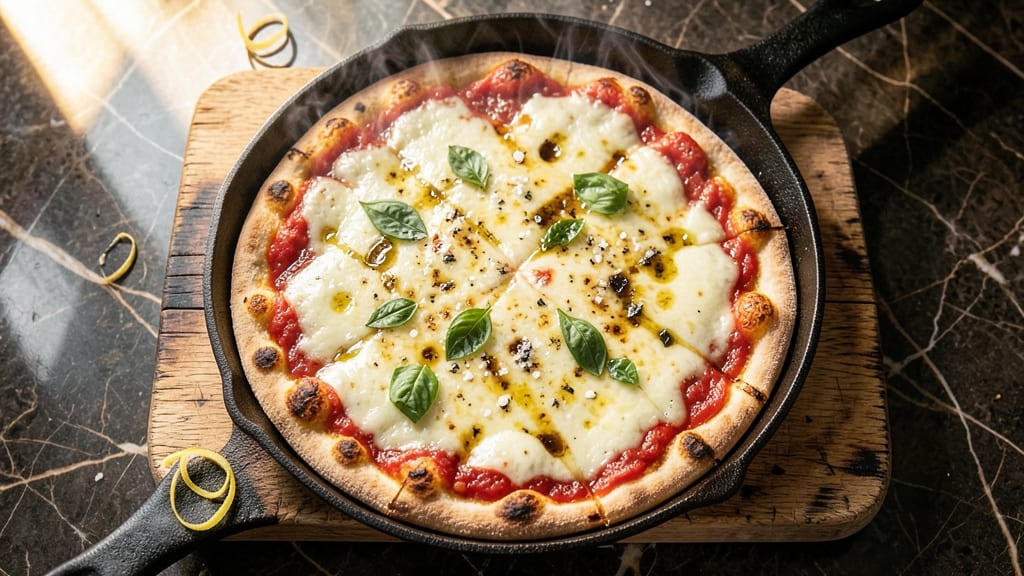
This basic cheese pizza recipe delivers crispy crust and that perfect melted stretch in just 20 minutes—no fancy techniques required. The secret lies in a simple yeast dough that rises quickly, a minimalist tomato sauce, and the right cheese blend for gooey perfection.
I've tested countless variations, and this method consistently produces results that rival your favorite pizzeria without the wait.
The beauty of this recipe is its simplicity: just five core ingredients transform into a golden, bubbling pizza with a crispy edge and tender center. We'll use a basic yeast dough that comes together in under 10 minutes, then let it rise while you prep the sauce and cheese.
The sauce is just crushed tomatoes, olive oil, and a pinch of salt—no complicated blends needed. Mozzarella gets the star treatment here, but we'll add a touch of sharp cheddar for depth.
What you'll end up with is a pizza that's crispy at the edges, perfectly browned in spots, and topped with a blanket of melted cheese that stretches beautifully. The crust holds its shape while remaining tender enough to cut without crumbling.
This is the kind of pizza that disappears faster than you can say "extra cheese"—ideal for weeknight dinners or casual gatherings when you want something satisfying without the fuss.
The best part? This recipe scales perfectly—make one for yourself or double it for a crowd. Once you master the basics, you can easily customize with your favorite toppings while keeping that essential crispy crust. Let's get started with a pizza that's simple, foolproof, and absolutely delicious.
Ingredients for basic cheese pizza
Five core ingredients transform into a crispy, cheesy pizza that rivals your favorite pizzeria.
| Ingredient | Amount | Notes |
|---|---|---|
| Active Dry Yeast 🍞 | 2 ¼ tsp | Single-use packet preferred |
| Warm Water 💧 | 1 cup | 110°F for optimal activation |
| All-Purpose Flour 🌾 | 2 cups | Plus 2 tbsp for dusting |
| Granulated Sugar 🍚 | 1 tbsp | Feeds yeast for faster rise |
| Salt 🧂 | 1 tsp | Kosher or sea salt |
| Extra-Virgin Olive Oil 🫒 | 2 tbsp | Plus 1 tbsp for crust |
| Crushed Tomatoes 🍅 | ½ cup | San Marzano preferred |
| Mozzarella Cheese 🧀 | 16 oz | Fresh, low-moisture block |
| Sharp Cheddar Cheese 🧀 | 4 oz | For extra depth of flavor |
| Garlic Cloves 🧄 | 2 cloves | Minced for sauce |
| Dried Oregano 🌿 | ½ tsp | Italian seasoning works too |
| Cornmeal 🌽 | 2 tbsp | For dusting pizza peel |
The yeast is the magic here—active dry yeast activates fastest, but instant yeast works too if you're in a hurry. King Arthur or Bob's Red Mill are my go-tos for flour, but any all-purpose brand works. The sugar isn't for sweetness—it feeds the yeast so your dough rises in a flash. For the tomatoes, San Marzano cans are worth the splurge—they're sweeter and less acidic, which keeps the sauce from overpowering the cheese. I always grab the fresh mozzarella in pre-shredded bags (the kind with the little plastic bag inside)—it melts better than the block you'd have to shred yourself. The cheddar adds that perfect sharp bite that balances the gooeyness.
No San Marzano tomatoes? Any crushed tomatoes work—just add a pinch of sugar to balance acidity. Fresh mozzarella but no time to shred? Pre-shredded from the deli section is your friend. Short on cheddar? Parmesan adds umami—use half the amount. The garlic can be fresh or jarred (though fresh tastes better), and if you're out of oregano, Italian seasoning covers all bases. For the crust, if you don't have cornmeal, semolina or flour works—just don't skip dusting your peel! Pro tip: if your dough feels sticky, add flour 1 tbsp at a time until it's just not sticking to your fingers.
Dough keeps in the fridge for 2 days—just let it sit at room temp for 30 minutes before rolling. The sauce can be made 3 days ahead—it tastes even better after flavors meld. Cheese? Use it within 1 week—once opened, it loses that perfect melt. For a crispier crust, preheat your oven to 550°F—that's the secret to those golden, blistered edges. Leftovers? Slice and freeze on a tray, then transfer to a bag—reheat straight from frozen for 10 minutes at 400°F. Trust me, it's just as good the second time around.
Why You'll Love This Recipe
- I’ll be real: this dough is not the kind that requires kneading until your arms give out. Just toss in the warm water, sprinkle in the yeast and sugar, let it sit for 5 minutes—poof—ready to mix with flour. Honestly, I’ve made this while scrolling through my phone.
- No Yeast Nightmare: I’ll be real: this dough is not the kind that requires kneading until your arms give out. Just toss in the warm water, sprinkle in the yeast and sugar, let it sit for 5 minutes—poof—ready to mix with flour. Honestly, I’ve made this while scrolling through my phone.
- Cheese Pull Magic: That crispy, golden crust with the stretchy, gooey cheese on top? It’s the kind of contrast that makes you close your eyes and groan. The yeast gives it just enough chew, while the salt in the dough makes the mozzarella taste ridiculously good.
- Game for Any Occasion: Between us, this pizza works for everything—weeknight dinners, lazy Sundays, or even as a last-minute party appetizer. I’ve served it to picky eaters, college students, and my mom’s book club, and no one ever complained. (Yes, even on a Tuesday night.)
Step-by-step instructions for perfect homemade pizza
This method delivers a crispy crust and gooey cheese stretch every time—no fancy tools needed.
Activate the Yeast for a Light, Airy Crust
In a small bowl, combine the 1 cup warm water (about 110°F) with the 1 tablespoon granulated sugar and 2.25 teaspoons active dry yeast. Let it sit for 5-10 minutes until frothy—this means your yeast is alive and ready to work. If nothing happens after 10 minutes, your yeast might be dead, and you’ll need to start over.
Here's the thing—warm water is key. Too hot and you kill the yeast; too cold and it won’t activate. The sugar feeds the yeast, helping it multiply faster for a lighter crust. Once it’s bubbly, you’re golden. Pro tip: If your kitchen is cold, microwave the water for 20-30 seconds to hit that perfect 110°F range.
Mix the Dough and Knead Until Smooth
In a large bowl, whisk together the 2 cups all-purpose flour and 1 teaspoon salt. Pour in the yeast mixture and add 2 tablespoons extra-virgin olive oil. Using a wooden spoon, stir until a shaggy dough forms—it’ll look messy, but that’s normal. Let it rest for 5 minutes while you prep your workspace.
Now for the kneading. Turn the dough onto a lightly floured surface and knead for 8-10 minutes until smooth and elastic. You’ll know it’s ready when it springs back slowly when poked. This step develops gluten, which gives your crust that perfect chewy bite. Don’t skip it—under-kneaded dough means a dense pizza. If your hands get sticky, just wet them slightly to keep the dough from sticking.
Let the Dough Rise for Maximum Flavor
Lightly oil a large bowl, place the dough inside, and cover it with a clean kitchen towel or plastic wrap. Let it rise in a warm spot for 1-2 hours, or until it’s doubled in size. A warm oven with the light on works great for this—just turn it off and let it sit for 5 minutes before placing the bowl inside.
Patience here is crucial. The longer it rises, the more flavorful your crust will be. You’ll see bubbles forming on the surface and the dough will feel light when pressed gently. If your kitchen is chilly, give it the full 2 hours—cold slows down fermentation, but it’s worth it for that deep, tangy flavor. Once it’s ready, punch it down gently to release air bubbles before shaping.
Shape the Dough and Prep the Sauce
Divide the dough into two equal balls (for a 12-inch pizza each) and let them rest for 10 minutes12-inch circle, about ¼-inch thick. If it resists, let it rest another 5 minutes—pulling too hard makes it tough. Transfer the dough to a baking sheet dusted with 2 tablespoons cornmeal.
While the dough rests, mix the ½ cup crushed tomatoes, minced garlic cloves, and ½ teaspoon dried oregano in a small bowl. Spread this sauce evenly over the dough, leaving a ½-inch border for the cheese. The sauce should be thin enough to spread smoothly—if it’s too thick, add a splash of water. This border prevents a soggy crust, and the garlic and oregano add that classic Italian flavor punch.
Add Cheese and Bake to Crispy Perfection
Sprinkle the 16 ounces mozzarella cheese evenly over the sauce, followed by the 4 ounces sharp cheddar cheese. Press the cheeses down lightly so they stick together—this prevents them from sliding off during baking. For extra crispiness, brush the edges of the dough with 1 tablespoon extra-virgin olive oil.
Bake at 475°F for 12-15 minutes, or until the crust is golden brown and the cheese is bubbly with a few brown spots. The edges should be crispy, not doughy—this is your crispy crust promise delivered. If your oven runs hot, start checking at the 10-minute mark. Let it cool for 2 minutes before slicing—this prevents a runny cheese disaster. Serve immediately with a sprinkle of fresh basil if you’re feeling fancy!
Pro Tips For Making Basic Cheese Pizza
- TEST THE YEAST FIRST: Skip straight to mixing and you might end up with flat dough—no matter how much you knead. Drop a pinch of yeast into warm water with a little sugar, then wait 5 minutes. If it bubbles like a tiny volcano, you’re good. If it sits there lifeless, toss it and start fresh.
- MEASURE FLOUR BY WEIGHT: Scooping flour from the bag is a disaster waiting to happen—your dough will be either too dry or too sticky. Use a kitchen scale for precision; 500 grams of flour is your target. (Yes, even if the recipe says "a handful.") This keeps the texture consistent every time.
- LET THE DOUGH REST LONGER: I used to think 1 hour was enough, then realized my crust was always tough. Double the rest time—2 to 3 hours at room temp or overnight in the fridge. The gluten relaxes, and the final pizza stretches like a dream. (Your arms will thank you too.)
- USE MORE SALT IN THE DOUGH: Salt only on the sauce? Big mistake. Sprinkle the full 1½ teaspoons into the flour before mixing—it balances the yeast and boosts flavor. Trust me, the difference between bland and actually delicious pizza comes down to this. (And no, you’re not overdoing it.)
Flavor customization for basic cheese pizza
Spicy Kick
For a bold flavor twist, add ½ teaspoon of red pepper flakes or 1 teaspoon of hot honey to your sauce before spreading it on the dough. If you love heat, sprinkle ¼ cup crumbled feta over the cheese for a tangy, spicy contrast.
I find that Calabrian chili paste (1 tbsp)—mixed into the sauce—adds a smoky depth that pairs perfectly with the cheddar. 🌶️
Herb-Infused Variations
Swap out the oregano for fresh basil or thyme—chop ¼ cup basil leaves and mix them into the sauce, or sprinkle 1 tbsp fresh thyme over the cheese before baking. For a Mediterranean touch, add 2 tbsp crumbled goat cheese—its tang cuts through the richness beautifully.
I often use Italian seasoning—it’s a crowd-pleaser that adds a bright, herby note.
Sweet and Savory
Balance the savory flavors with a touch of sweetness by adding 2 tbsp caramelized onions—cook them slowly until golden and spread them under the cheese. For a dessert-like twist, sprinkle ¼ cup mini chocolate chips—they melt into little pockets of gooey goodness.
A drizzle of balsamic glaze—after baking—adds a sophisticated sweet-tart finish that elevates the pizza to restaurant quality. 🍫
Umami Boost
Enhance the depth of flavor with 1 tbsp soy sauce—mixed into the sauce—or top with 2 tbsp grated Parmesan—for a salty, nutty kick. Sun-dried tomatoes (¼ cup, chopped) add a chewy, tangy texture that pairs perfectly with the mozzarella.
I also love adding 1 tbsp anchovy paste—it’s subtle but adds an unmistakable umami punch that makes the cheese taste even richer.
Crunchy Toppings
Add texture with ¼ cup toasted pine nuts—sprinkled over the cheese—or ½ cup sliced almonds—for a nutty crunch. Crispy prosciutto (4 oz, thinly sliced) adds a salty, savory contrast that’s especially delicious when paired with the sharp cheddar.
For a veggie crunch, toss ½ cup roasted cherry tomatoes—halved—over the cheese before baking. 🥜
Cheese Swaps
Trade the mozzarella for fontina cheese—it melts into a creamy, stretchy blanket. For a smoky flavor, use smoked gouda—it adds a deep, charred note that pairs wonderfully with the garlic in the sauce.
A mix of ricotta and mozzarella—spread thinly over the sauce—creates a lighter, airier texture. I’ve also had great success with provolone—its mild tang balances the richness of the cheddar perfectly.
Nutrition facts
Frequently asked questions
Can I make this pizza without yeast?
For a quick version, replace the yeast with 1 teaspoon baking powder and ½ teaspoon baking soda in the dough. Skip the rising time and bake immediately at 475°F for 12-15 minutes. The crust will be thinner but still crispy. This works best if you're short on time or don't have yeast on hand.
Why is my pizza crust soggy instead of crispy?
Soggy crust usually happens when sauce touches the edges or the oven isn't hot enough. Always leave a ½-inch border around the sauce, and preheat your oven to 475°F for at least 15 minutes before baking. For extra crispiness, brush the crust edges with olive oil before adding toppings.
How do I store leftovers?
Let the pizza cool completely, then slice and store in an airtight container in the fridge for up to 4 days. For freezing, slice first and arrange on a tray to freeze solid, then transfer to a bag. Reheat frozen slices at 375°F for 10-12 minutes until cheese melts. The crust stays crispy when reheated this way!
Can I use fresh mozzarella instead of pre-shredded?
Yes! Fresh mozzarella melts beautifully but requires draining first. Place it in a colander, cover with paper towels, and weigh it down with something heavy for 15-20 minutes to remove excess moisture. Then shred or chop it yourself—it'll give you that perfect stretchy texture. Pre-shredded works too, but fresh tastes fresher!
What's the best way to make this pizza on a pizza stone?
Preheat your pizza stone in the oven for at least 30 minutes before baking. Transfer the dough to the stone using a pizza peel dusted with cornmeal. Bake at 475°F for 10-12 minutes—the stone conducts heat better, giving you a crispier crust. Watch closely after 8 minutes to avoid over-browning.