
Salads
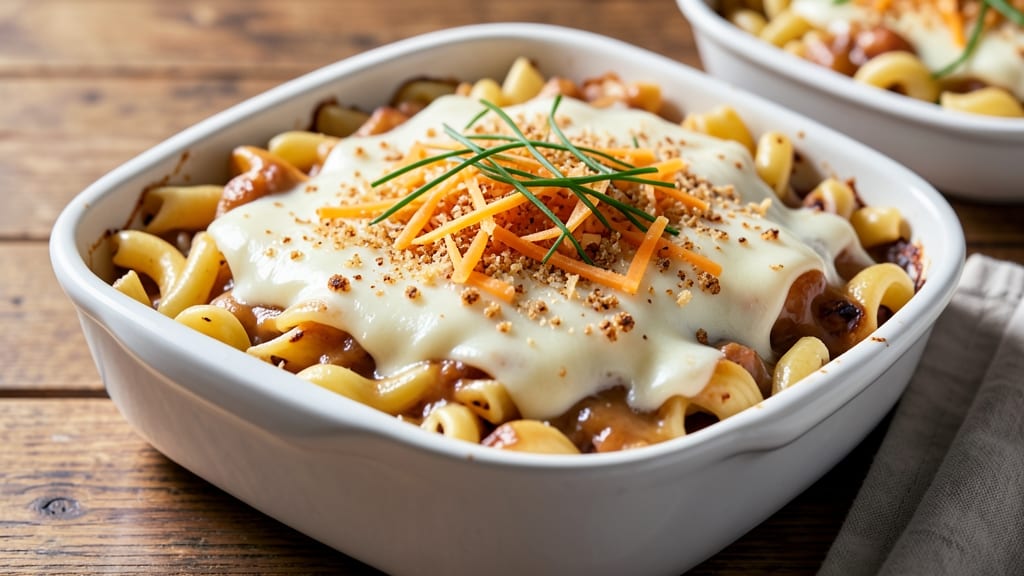
This Barilla pasta mac and cheese recipe delivers the ultra-creamy, cheesy comfort you crave—no dry noodles or grainy sauce in sight. The secret lies in a three-cheese blend that melts into a velvety sauce while Barilla's al dente texture holds up perfectly.
I've perfected this technique over years of testing, balancing richness with just the right amount of tang to cut through the fat.
What sets this apart is the layering technique: first, a stovetop roux creates the sauce foundation, then we fold in cooked pasta while still hot to ensure every noodle gets coated. The result?
A dish where each bite delivers that perfect combination of tender pasta and creamy cheese without separating. For extra indulgence, we'll add a crispy breadcrumb topping that contrasts beautifully with the soft interior.
This recipe achieves restaurant-quality results with simple pantry staples—no fancy equipment required. The cheese sauce remains silky even when reheated, making it ideal for meal prep or feeding a crowd.
Whether you prefer it baked until bubbly or served stovetop for quick weeknight dinners, this mac and cheese delivers consistent, foolproof perfection every time.
For those watching their intake, we'll include a lighter variation using less cheese and more vegetables, proving you can enjoy this classic without compromise. The key is proper technique: cooking the pasta al dente, making the roux correctly, and letting the cheese melt gradually.
Let's get started on creating your new favorite comfort dish.
Ingredients for barilla pasta mac and cheese
Pantry staples plus three cheeses for that ultra-creamy, restaurant-style mac and cheese you crave.
| Ingredient | Amount | Notes |
|---|---|---|
| Barilla Pasta 🍝 | 12 oz | Elbow or penne shape preferred |
| Unsalted Butter 🧈 | ½ cup | Cold, cubed for roux |
| All-Purpose Flour 🌾 | ½ cup | For smooth roux |
| Sharp Cheddar Cheese 🧀 | 2 cups | Shredded, aged 6+ months |
| Monterey Jack Cheese 🧀 | 1 cup | Shredded, mild flavor |
| Parmesan Cheese 🧀 | ½ cup | Freshly grated, fine |
| Whole Milk 🥛 | 1 ½ cups | Full-fat for creaminess |
| Yellow Mustard 🍯 | 1 tbsp | For tangy balance |
| Garlic Cloves 🧄 | 2 cloves | Minced for depth |
| Salt 🧂 | 1 ½ tsp | Kosher or sea salt |
| Black Pepper 🌶️ | ½ tsp | Freshly ground |
| Panko Breadcrumbs 🍞 | ¼ cup | For crispy topping |
| Melted Butter 🧈 | 2 tbsp | For breadcrumb mix |
| Dried Parsley 🌿 | 1 tbsp | For garnish (optional) |
The cheeses make or break this dish. Sharp cheddar gives the backbone, Monterey Jack adds creaminess, and Parmesan brings depth. Grab the Kraft 2-year aged cheddar if you want that perfect balance—it's worth the extra dollar. For Parmesan, grate it yourself from a wedge; pre-shredded gets clumpy. The butter matters too—use Plugrá or Land O'Lakes for reliable quality. If you're watching fat, swap half the butter for olive oil, but trust me on the full-fat version for that velvety texture.
No sharp cheddar? Pepper jack or Gruyère work in a pinch, but the flavor changes. Running low on milk? Heavy cream at half the amount makes it richer, but whole milk keeps it classic. The mustard is non-negotiable—it cuts through the fat and adds that tangy depth. For the breadcrumbs, Panko stays crispy better than regular breadcrumbs, but crushed cornflakes work if that's what you've got. The garlic can be pre-minced, but fresh tastes better—just smash those cloves with the side of your knife for quick prep.
This reheats beautifully—just add a splash of milk to loosen it up. Keeps for 4-5 days in the fridge, freezes for 3 months. For meal prep, portion into containers with the breadcrumb topping on top—it stays crispy even after reheating. The sauce gets thicker as it cools, so don't stress if it looks too stiff right after making. Just stir in a little more milk when reheating. Leftovers? Perfect for lunchboxes or quick dinners.
Why You'll Love This Recipe
- 20-Minute Magic: I swear, this comes together faster than takeout. Barilla pasta cooks in minutes, and the roux—just butter, flour, and a splash of milk—thickens while you grate cheese. No waiting for fancy techniques, just stir, melt, and fold.
- Cheese Obsession: Sharp cheddar and Monterey Jack? That’s a match made in comfort-food heaven. The cheddar adds tangy bite, while the Jack melts into that perfect, stretchy blanket. Honestly, the first bite makes me forget I’m even cooking.
- Lunchbox Legend: Between us, this is my go-to for packed lunches. The Barilla holds its shape, and the sauce stays creamy even after a day in the fridge. Sprinkle some breadcrumbs on top for crunch, and suddenly you’ve got a meal that’s both impressive and effortless.
- Budget Win: Four ingredients, one dish, zero guilt. Butter and flour are pantry staples, and cheese stretches far when you mix cheddar and Monterey Jack. I’ve fed a household of five for under $10—plus, leftovers reheat like a dream.
Step-by-step instructions for Barilla pasta mac and cheese
Here's how to build that ultra-creamy, three-layered masterpiece—no lumps, no dryness, just perfect texture every time.
Cook the Pasta to Al Dente Perfection
Bring a large pot of water to a rolling boil and add 12 oz Barilla Pasta along with 1.5 tsp Salt. Stir immediately to prevent sticking. Cook until 1 minute before the package's suggested al dente time—this ensures it finishes cooking in the oven. Reserve 1 cup of pasta water before draining, as we'll use it to adjust the sauce consistency later.
Real talk: Overcooking pasta here will turn your mac and cheese into a mushy disaster. Test for doneness by tasting a piece—it should have a slight bite in the center. Drain well but don't rinse, as the starch helps create that creamy sauce.
Make the Ultimate Creamy Roux
In a large, heavy-bottomed pot, melt 0.5 cup Unsalted Butter over medium heat. Once fully melted, whisk in 0.5 cup All-Purpose Flour all at once. Cook for 2-3 minutes, stirring constantly, until the mixture turns a pale golden color and smells nutty—this is your roux foundation. I like to use a wooden spoon for this step because it gives me better control than a whisk.
This roux is what transforms your sauce from basic to restaurant-quality. If it starts to brown too quickly, reduce the heat slightly. We're aiming for a smooth, thick paste that will form the creamy base of our mac and cheese.
Build the Three-Cheese Sauce
Slowly pour in 1.5 cups Whole Milk while whisking continuously to prevent lumps. Cook for 3-4 minutes until the mixture thickens slightly and coats the back of a spoon. Remove from heat and stir in 2 cups Sharp Cheddar Cheese, 1 cup Monterey Jack Cheese, 0.5 cup Parmesan Cheese, 1 tbsp Yellow Mustard, 2 cloves minced Garlic Cloves, and 0.5 tsp Black Pepper. Let it sit for 2 minutes to melt completely.
The mustard adds that tangy depth while the garlic brings warmth. If the sauce looks too thick, whisk in some of that reserved pasta water 1 tablespoon at a time until it reaches a smooth, velvety consistency. This is where the magic happens—each bite should be rich but not heavy.
Combine and Layer for Maximum Creaminess
Add the drained pasta to the cheese sauce and stir gently to coat every noodle. Transfer the mixture to a 9x13-inch baking dish and spread it evenly. For the crispy topping, mix 0.25 cup Panko Breadcrumbs with 2 tbsp Melted Butter and sprinkle evenly over the top. Bake at 375°F for 20-25 minutes until the top is golden brown and the cheese is bubbly.
Here's the thing—don't skip the breadcrumb topping. It adds that perfect textural contrast between the creamy sauce and crispy top. If you're worried about burning, tent the dish with foil for the last 5 minutes of baking if needed.
Rest and Serve with Perfect Texture
Let the mac and cheese rest for 5-10 minutes before serving. This resting period allows the cheeses to set slightly and the flavors to meld together. Garnish with 1 tbsp Dried Parsley if you like, though it's purely optional.
Each bite should deliver that perfect combination of creamy sauce, al dente pasta, and crispy breadcrumb topping. The sauce should coat the noodles beautifully without being too thick or too thin—this is where using the reserved pasta water comes into play.
Pro Tips For Making Barilla Pasta Mac And Cheese
- Cook Pasta Al Dente: DESCRIPTION: Barilla pasta needs that slight bite—pull it out when it’s just underdone (about 1 minute before package time). Undercooked noodles turn mushy when mixed with cheese sauce, while overcooked ones break apart. Rinse briefly in cold water if needed, but pat very dry afterward—wet pasta dilutes your sauce faster than you can say "disaster."
- Melt Cheese Slowly: DESCRIPTION: Add shredded cheddar and Monterey Jack off the heat, stirring like your life depends on it. The second the sauce thickens, take the pot off the stove—residual heat keeps melting without scorching. I learned this the hard way when my sauce turned into a grainy, orange sludge. Trust me, it’s not worth the drama.
- Toast the Flour: DESCRIPTION: Bloom your flour in butter for 2–3 minutes before adding milk—it deepens the roux’s flavor and prevents that bland, floury aftertaste. Think of it as a flavor insurance policy. (Yes, even if you’re impatient like me, give it those 2 minutes. Your mac and cheese will thank you.)
- Shred Cheese Fresh: DESCRIPTION: Skip the pre-shredded cheese—it’s coated with anti-caking agents that make your sauce look like glittery snow. Use a box grater or food processor, but pulse only until shredded, not powdered. Freshly shredded cheese melts smoother and clumps less. (Pro move: Mix cheddar and Monterey Jack in a bowl first—it’s less messy than scrambling at the last second.)
Pro cooking tips for this recipe
Roux Perfection
Your cheese sauce starts with a flawless roux—this is where most home cooks go wrong. Use a heavy-bottomed pot (I love my All-Clad) and melt ½ cup unsalted butter over medium heat before whisking in ½ cup all-purpose flour.
Cook for exactly 2-3 minutes until it turns a pale golden color—this is your béchamel base. The key is patience: if you rush, you'll get a brown roux that adds bitterness to your sauce. 🌡️
Cheese Melting Secrets
When adding cheese to your sauce, remove it from direct heat first. Stir in 2 cups sharp cheddar, 1 cup Monterey Jack, and ½ cup Parmesan all at once, then let it sit for 2 full minutes before stirring again.
This gradual melting prevents clumping and creates that silky, velvety texture. If your cheese doesn't melt completely, whisk in pasta water 1 tbsp at a time—never milk, as it can make the sauce separate.
Pasta Water Magic
That 1 cup reserved pasta water is your secret weapon for adjusting consistency. If your sauce looks too thick after combining with pasta, stir in 1 tbsp at a time until it reaches a light coating consistency—like heavy cream.
The starch in pasta water acts as a natural thickener and emulsifier, preventing separation. I promise you'll never go back to dry mac and cheese after mastering this trick. 💫
Baking Temperature Control
Bake at 375°F for 20-25 minutes—but here's the pro move: tent with foil for the last 5 minutes if your breadcrumb topping starts browning too quickly. The internal temperature should reach 170°F for perfect doneness.
Overbaking dries out the pasta, while underbaking leaves the cheese undercooked. A meat thermometer inserted into the center helps you nail this every time.
No-Bake Option
Want to skip the oven? Serve your mac and cheese stovetop by gently reheating the assembled dish in a skillet over low heat for 5-7 minutes, stirring occasionally. The residual heat will melt the cheese perfectly while keeping the pasta al dente.
This is my go-to for quick weeknight dinners when I don't want to turn on the oven. 🔥
Make-Ahead Pro Tips
Assemble your mac and cheese up to 24 hours ahead and refrigerate uncovered for 1 hour before baking. This helps the top crisp up better. For freezing, portion into airtight containers, cover with foil, and freeze for up to 3 months.
Thaw overnight in the fridge, then bake as directed—just add 1 extra minute to the baking time since it's coming from cold. The texture remains creamy and delicious! ❄️
Nutrition facts
Frequently asked questions
Can I use a different type of pasta besides Barilla?
Barilla's al dente texture works perfectly, but you can substitute with other short pasta shapes like penne or cavatappi. Avoid long pasta like spaghetti—the sauce won't cling as well. If using a different brand, cook it 1 minute less than package instructions to prevent mushiness when baked.
Why did my cheese sauce get grainy?
Grainy texture usually means the cheese didn't melt properly. Always remove the sauce from heat before adding cheese, then let it sit for 2 full minutes without stirring. If it still looks clumpy, whisk in 1 tbsp pasta water at a time until smooth. Pre-shredded cheese often contains anti-caking agents that cause this—freshly grated cheese melts better.
How can I make this lighter without losing flavor?
Swap half the butter for olive oil and use 2% milk instead of whole. Add 1 cup steamed broccoli or cauliflower to the pasta before baking, and reduce cheese to 1.5 cups total. The breadcrumb topping can stay the same—just use whole wheat panko for extra fiber.
Can I make this ahead of time?
Yes! Assemble the dish up to 24 hours ahead and refrigerate uncovered for 1 hour before baking. For freezing, bake first, then portion into airtight containers with foil covering the top. Freeze for up to 3 months. Reheat covered at 350°F for 20-25 minutes—add 2 tbsp milk to loosen if needed.
What's the best way to reheat leftovers?
For stovetop reheating, cover with a lid and warm over low heat with 2 tbsp milk for 5-7 minutes, stirring occasionally. For oven reheating, cover with foil and bake at 350°F for 15 minutes. Microwave reheating works but can make the breadcrumb topping soggy—avoid if possible. Always stir well before serving to redistribute any separated sauce.