
Desserts
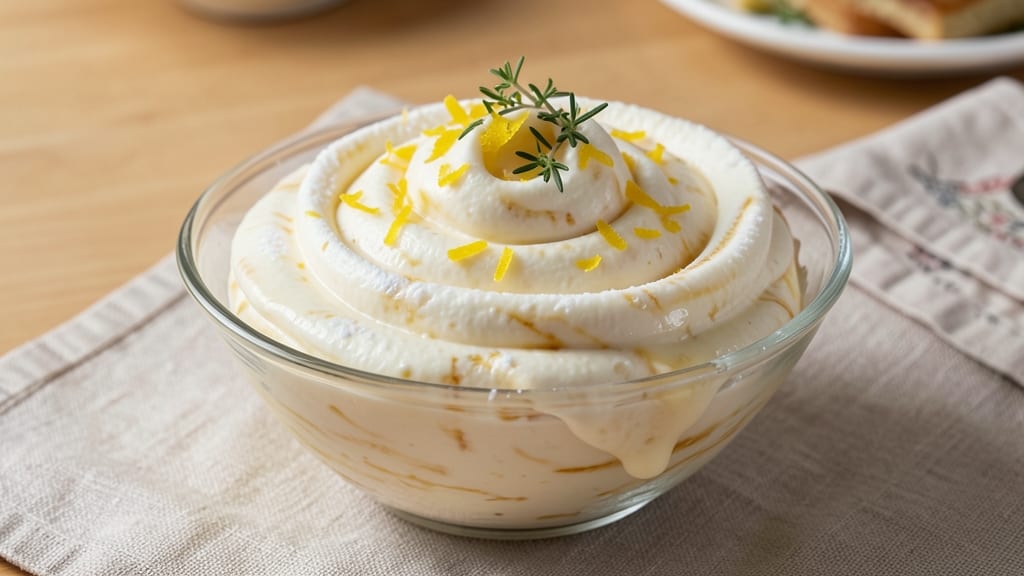
Barefoot Contessa's cream cheese frosting recipe delivers the velvety, tangy perfection that makes store-bought versions obsolete. This silky swirl is the secret weapon behind countless iconic desserts, and it only takes 10 minutes to whip up.
The magic lies in room-temperature cream cheese and precise technique—no lumps, no graininess, just smooth, pipeable bliss that pairs flawlessly with vanilla cake or carrot cupcakes.
What sets this frosting apart is its foolproof texture: light enough to spread effortlessly yet rich enough to hold its shape when piped. I’ve perfected it over years of baking, ensuring it stays stable in warm kitchens and melts beautifully on the tongue.
The key? Softened cream cheese and gradual incorporation of butter and powdered sugar for a velvety finish that’s impossible to resist.
Once you try this frosting, you’ll never go back to the jarred stuff. It’s the kind of recipe that transforms ordinary desserts into showstoppers—whether you’re decorating a tiered cake or adding elegant swirls to cupcakes.
The tangy cream cheese balances sweetness perfectly, while optional vanilla or citrus zest adds depth for customization.
Best of all, this frosting keeps beautifully for up to 5 days in the fridge, making it ideal for prepping ahead. Ready to elevate your baking game? Let’s get started with the recipe that’s been a kitchen staple for decades.
Ingredients for barefoot contessa cream cheese frosting
Room-temperature cream cheese and butter make all the difference for silky perfection.
| Ingredient | Amount | Notes |
|---|---|---|
| Cream Cheese 🧀 | 8 oz | Room temperature, full-fat preferred |
| Unsalted Butter 🧈 | ½ cup | Softened to room temperature |
| Powdered Sugar 🍚 | 3 cups | Sifted for smooth texture |
| Vanilla Extract 🌿 | 1 tbsp | Pure vanilla preferred |
| Lemon Juice 🍋 | 1 tsp | Freshly squeezed for brightness |
| Salt 🧂 | ¼ tsp | Fine sea salt preferred |
| Heavy Cream 🥛 | ¼ cup | Optional for extra silkiness |
| Orange Zest 🍊 | 1 tsp | Optional for citrus depth |
The cream cheese is non-negotiable—Philadelphia brand is my go-to, but any full-fat works. Grab a 16 oz block from the dairy section, let it sit out for 1-2 hours before using. Butter should be soft but not melted—press your finger in, it should leave a slight indent. Powdered sugar? Domino or Culinary Art brands are sifted and lump-free. Vanilla extract matters too: Heinz Pure Vanilla or McCormick are reliable. I always double-check the expiration date on the vanilla bottle—it goes stale surprisingly fast.
No room-temperature cream cheese? Microwave in 20-second bursts until just softened—don't overdo it or it'll get grainy. Butter too soft? Chill it 10 minutes in the fridge. Powdered sugar clumping? Sift it through a fine-mesh sieve. No vanilla? Vanilla bean paste adds flecks and depth. The lemon juice brightens everything—freshly squeezed is best, but bottled works in a pinch. Heavy cream is optional but makes the frosting ultra-smooth—skip it if you prefer a lighter texture. For citrus lovers, orange zest adds a sophisticated twist without overpowering.
This frosting keeps beautifully for 5 days in the fridge, covered tightly. For longer storage, freeze portions in airtight containers for up to 3 months. Bring to room temperature before using—it'll be slightly firmer after chilling but softens perfectly. I like to pipe it onto parchment-lined pans before baking to prevent sticking. If it gets too thick, whisk in 1 tsp milk or cream at a time. Pro tip: Room-temperature frosting spreads and pipes like a dream—no waiting needed if you've prepped ahead.
Why You'll Love This Recipe
- No Mixer Needed: I swear by this recipe when my stand mixer’s on strike—just a fork and a bowl. The cold cream cheese and butter soften into a dreamy spread with barely any elbow grease, and that’s my kind of magic.
- Bright Tang Twist: That splash of lemon juice? It’s the secret weapon. The vanilla gives it warmth, but the citrus cuts through the sweetness like a refreshing breeze—perfect for cutting through rich cakes or cookies.
- Crowd-Pleaser Frosting: I’ve used this on cupcakes for birthdays, swirled into cheesecake for holidays, and even dolloped over scones for brunch. It’s the one frosting that never gets left behind, no matter the occasion.
- Leftovers That Last: Make a double batch—it keeps for days in the fridge, and the texture stays silky. Honestly, I’ve had it linger for over a week, and it’s still the star of my dessert table without any fuss.
Step-by-step instructions for barefoot Contessa's cream cheese frosting
Here's how to make frosting so silky it'll make you question why you ever bought store-bought.
Prepare Your Ingredients for Perfect Texture
Start by taking the 8 oz cream cheese and 0.5 cup unsalted butter out of the fridge and letting them sit at room temperature for 30-45 minutes. They should be soft enough to press with a finger but not melted. This is crucial—cold ingredients create lumps, and you want a smooth, velvety finish. While they soften, sift the 3 cups powdered sugar into a medium bowl to break up any clumps. I like to use a fine-mesh sieve for this step to ensure a silky texture.
Also, measure out the 1 tbsp vanilla extract, 1 tsp lemon juice, 0.25 tsp salt, 0.25 cup heavy cream, and 1 tsp orange zest (if using). The lemon juice and orange zest add brightness that makes this frosting taste homemade, not just sweet. Trust me, the acidity balances the richness beautifully.
Cream the Butter and Cream Cheese
In a stand mixer fitted with the paddle attachment, beat the softened cream cheese and butter on medium speed for 2-3 minutes. You're looking for a completely smooth, creamy mixture with no lumps. If you see any graininess at this stage, keep mixing—it'll disappear once the sugar comes in. The reason we mix these first is that they need to fully emulsify before adding the sugar, which prevents a gritty texture.
Here's the thing—if your cream cheese has any lumps, don't force it. Instead, scrape down the sides of the bowl with a spatula and give it another 30 seconds on medium speed. You want this base to be flawless because once we add the sugar, we can't fix any texture issues.
Gradually Add Powdered Sugar for Smoothness
With the mixer running on low speed, slowly add the 3 cups powdered sugar over 2-3 minutes. This gradual addition prevents a sugar cloud from forming, which would make your frosting grainy. After all the sugar is incorporated, increase the speed to medium and beat for another 2 minutes until completely smooth. You'll know it's ready when the mixture looks like thick, glossy frosting and leaves clean streaks on the sides of the bowl.
If you're using the 0.25 cup heavy cream for extra silkiness, add it now along with the 1 tbsp vanilla extract, 1 tsp lemon juice, and 0.25 tsp salt. Mix on medium speed for 1 minute until fully combined. The cream adds a luxurious mouthfeel, but if you skip it, the frosting will still be delicious—just slightly lighter.
Incorporate the Orange Zest for Depth of Flavor
Finally, add the 1 tsp orange zest (if using) and mix on low speed for 30 seconds just to distribute it evenly. The zest adds a subtle citrus brightness that cuts through the richness of the cream cheese. Taste the frosting now—it should be sweet, tangy, and perfectly balanced. If it needs more sweetness, add 1-2 tablespoons of powdered sugar at a time until it reaches your desired level.
This is the moment that matters: let the frosting rest at room temperature for 10-15 minutes before using. Resting allows the flavors to meld and the texture to settle. If you pipe or spread it too soon, it might be slightly softer than you'd like. For best results, chill it in the fridge for 30 minutes if you're not using it immediately—this makes it firmer and easier to work with.
Pro Tips For Making Barefoot Contessa Cream Cheese Frosting
- SOFTEN CREAM CHEESE FIRST: I learned this the hard way—taking cream cheese straight from the fridge makes your frosting grainy no matter how much you beat it. Cut the blocks into small cubes and let them sit at room temperature for 30-45 minutes before mixing. If you're in a rush, microwave for 10 seconds (yes, even if you're impatient like me), then let it cool for 5 minutes before adding other ingredients.
- USE ROOM-TEMP BUTTER: Cold butter creates lumps that never fully blend, no matter how long you beat it. Take the butter out of the fridge 15 minutes before you start, or microwave it for 5 seconds to soften. You want it to be pliable but not melted—press your finger into it; if it leaves a slight indentation, you're good to go.
- SIFT THE POWDERED SUGAR: Clumps of powdered sugar are the silent killer of smooth frosting. Sift it directly into your mixing bowl before adding anything else. If you don’t have a sifter, dump it into a fine-mesh strainer and shake it gently over the bowl. This step alone makes a real difference in texture.
- ADD VANILLA AND LEMON LAST: Mixing vanilla and lemon juice into softened cream cheese too early can make the frosting separate or curdle when you add the butter. Wait until everything else is combined and smooth, then fold in the vanilla and lemon juice. This keeps the tang bright and the texture consistent.
Troubleshooting this dish
Grainy Texture Fix
If your frosting turns out grainy, it’s usually from cold cream cheese or adding powdered sugar too quickly. First, ensure your cream cheese and butter are fully softened—press your finger in; it should leave a slight indent but not be melted.
If you’re already mixing and see graininess, stop immediately, scrape down the sides of the bowl, and let the mixer run on low speed for 1-2 minutes to re-emulsify. Gradually add 1-2 tablespoons of heavy cream or milk while mixing to smooth it out. 💡
Too Thin or Runny
A runny frosting happens when the sugar isn’t properly incorporated or the mixture is too warm. If this occurs, chill the frosting in the fridge for 20-30 minutes to firm it up. For a quicker fix, add 1-2 tablespoons of powdered sugar at a time, mixing well after each addition.
Avoid overmixing once the sugar is added, as this can incorporate air and make it too light. If you’re using it for piping, let it sit at room temperature for 10 minutes before decorating to thicken slightly.
Lumpy Frosting
Lumps are almost always a sign of cold ingredients or improper mixing technique. Start by ensuring your cream cheese and butter are at room temperature—no exceptions!
If lumps persist, use a hand mixer or stand mixer to beat the mixture on medium speed for 3-4 minutes, scraping down the sides every 30 seconds. For stubborn lumps, press them against the side of the bowl with a spatula while mixing.
If all else fails, strain the frosting through a fine-mesh sieve into a clean bowl for a silky finish.
Frosting Separates
Separation usually occurs when the frosting sits too long or is exposed to heat. If you notice the butter or cream cheese pulling away from the sugar, simply whip the mixture again on medium speed for 1-2 minutes until fully re-emulsified.
To prevent this, store the frosting in an airtight container in the fridge and bring it to room temperature before using. For extra insurance, add 1 teaspoon of lemon juice (already in the recipe) to help stabilize the emulsion. This trick keeps the frosting cohesive and smooth.
Too Sweet or Bland
Adjusting sweetness or flavor is easy—just taste as you go! If your frosting tastes too sweet, add 1 teaspoon of lemon juice or orange zest to brighten the flavor. For a more pronounced tang, increase the lemon juice to 1.5 teaspoons.
If it’s bland, stir in an extra ½ teaspoon of vanilla extract or a pinch of salt to enhance the flavors. Pro tip: Let the frosting rest for 10-15 minutes before tasting—flavors develop as it sits, and you might need less adjustment than you think. 🌟
Piping Issues
If your frosting isn’t holding its shape when piped, it’s likely too thin or too warm. Chill it in the fridge for 20-30 minutes to firm it up, then re-whip briefly to smooth it out. For a stiffer consistency, add 1-2 tablespoons of powdered sugar at a time.
If it’s too thick, thin it with 1 teaspoon of heavy cream or milk. Always use a piping bag fitted with a medium star tip (like Wilton 1M) for clean, professional swirls.
Tap the piping bag gently on the counter before piping to release any trapped air for smoother results.
Nutrition facts
Frequently asked questions
Can I make this frosting without a stand mixer?
Use a hand mixer or even a sturdy whisk with elbow grease. For best results, beat the softened cream cheese and butter in a large bowl with a hand mixer on medium-high for 3-4 minutes until completely smooth. When adding powdered sugar, do it gradually over 5-6 minutes to prevent graininess. The key is patience—keep mixing until it's silky!
How do I store leftover frosting?
Transfer to an airtight container and refrigerate for up to 5 days. For longer storage, freeze portions in airtight containers for up to 3 months. Thaw in the fridge overnight before using. Pro tip: Bring to room temperature before piping to prevent cracking.
What's the best way to pipe this frosting?
Chill the frosting for 30 minutes before piping to get clean swirls. Use a piping bag with a medium star tip (like Wilton 1M) and tap the bag gently on the counter to release air bubbles. For rosettes, hold the bag vertically and squeeze steadily. For borders, pipe in continuous motions without lifting the tip.
Can I substitute cream cheese for something else?
Not really—cream cheese is essential for that signature tang and texture. However, if you're avoiding dairy, you could try a dairy-free cream cheese like Kite Hill, though the flavor will differ slightly. For a lighter version, reduce butter to ¼ cup but keep the cream cheese amount the same.
Why does my frosting sometimes separate?
This usually happens when ingredients aren't properly emulsified or the frosting sits too long. To fix it, simply re-whip on medium speed for 1-2 minutes until smooth. Prevent separation by storing in an airtight container and bringing to room temperature before using. The lemon juice in the recipe actually helps stabilize the emulsion!