
Sauces & Condiments
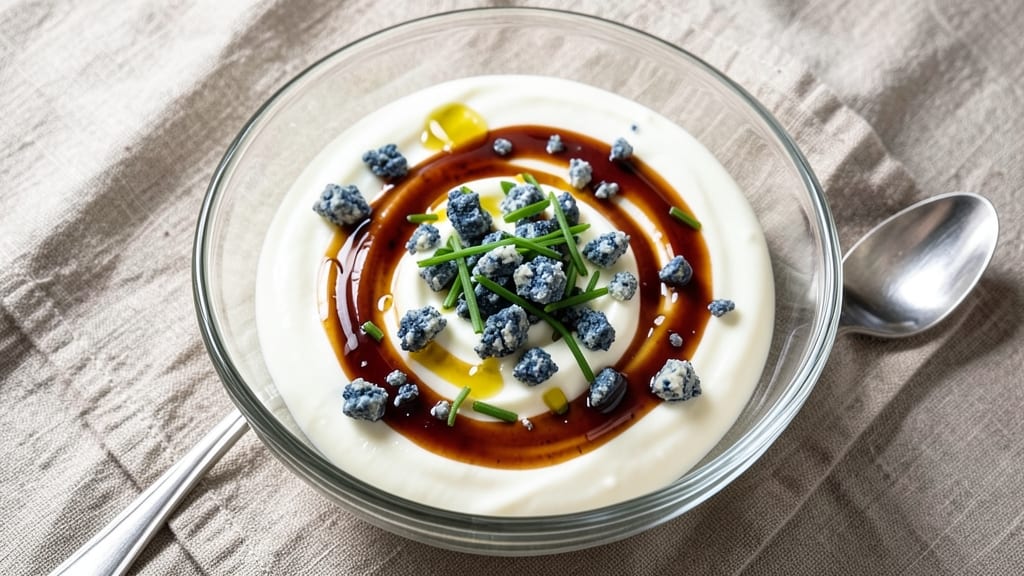
This balsamic blue cheese dressing recipe transforms simple ingredients into a velvety, tangy-sweet sauce that elevates salads, dips, and marinades. The secret lies in balancing bold blue cheese with the deep, caramelized notes of balsamic vinegar—creating a harmony that’s both rich and refreshing.
What makes this dressing stand out is its versatility; it works as a bold salad dressing, a creamy dip for veggies or chips, or even a marinade for grilled meats.
The foundation of this recipe is a simple emulsion of Greek yogurt or mayonnaise, which keeps the dressing smooth and stable. Blue cheese crumbles dissolve into the base, while balsamic vinegar adds a complex sweetness that cuts through the creaminess.
A touch of Dijon mustard ensures the dressing clings to greens or vegetables, and fresh herbs like chives or dill add a bright finish. The result? A dressing that’s creamy yet tangy, with layers of flavor that linger.
What you’ll end up with is a dressing that’s restaurant-quality at home, ready in just 5 minutes with no special equipment. It stays fresh in the fridge for up to a week, making it perfect for meal prep or hosting.
Whether you’re drizzling it over a hearty salad, using it as a dip for warm bread, or tossing it with grilled chicken, this dressing delivers depth and complexity without overpowering the dish.
For extra richness, stir in a spoonful of olive oil before serving, or add a pinch of smoked paprika for a subtle kick. The possibilities are endless—let’s make this dressing your new go-to for adding bold flavor to any meal.
Ingredients for balsamic blue cheese dressing
Nine simple ingredients create a restaurant-quality dressing that's creamy, tangy, and full of depth.
| Ingredient | Amount | Notes |
|---|---|---|
| Blue Cheese Crumbles 🧀 | ¾ cup | Aged blue cheese preferred |
| Greek Yogurt 🥛 | ½ cup | Full-fat for creaminess |
| Balsamic Vinegar 🍷 | ⅓ cup | Aged balsamic preferred |
| Dijon Mustard 🌶️ | 1 tbsp | For emulsion stability |
| Extra-Virgin Olive Oil 🫒 | ¼ cup | High-quality for richness |
| Fresh Chives 🌿 | 2 tbsp | Finely chopped for freshness |
| Fresh Dill 🌿 | 1 tbsp | Chopped, optional but recommended |
| Garlic Cloves 🧄 | 1 clove | Minced for subtle depth |
| Salt 🧂 | ½ tsp | Kosher or sea salt |
| Black Pepper 🌶️ | ¼ tsp | Freshly ground preferred |
The blue cheese is the star here—St. Agur or Gorgonzola work beautifully, but any aged blue cheese will do. Whole Foods or specialty cheese shops carry great options, but the regular grocery store selection is fine if it's labeled 'aged.' For the balsamic vinegar, aged balsamic glaze (like the one in the dark bottle) adds that caramelized sweetness. If you're using regular balsamic vinegar, simmer it for 5 minutes to concentrate the flavor. The Greek yogurt should be full-fat for that velvety texture—Fage or Siggi's are my go-tos, but any good-quality brand works. Fresh herbs are ideal, but dried dill at one-third the amount will work in a pinch.
No blue cheese? Gouda or sharp cheddar crumbles add a milder but still rich flavor. Short on balsamic? Substitute with a mix of red wine vinegar and honey (1 tbsp each) for a similar tangy-sweet balance. The Dijon mustard is non-negotiable—it's what helps the dressing emulsify properly. If you don't have it, whole-grain mustard thinned with a splash of water works in a bind. For extra richness, stir in an additional 1 tbsp of olive oil before serving. The garlic can be omitted if you're sensitive to its flavor, but it adds a subtle depth that ties everything together.
This dressing keeps beautifully in the fridge for up to 7 days, though it's best within the first 3 days. Store it in an airtight container with a layer of plastic wrap pressed directly on the surface to prevent a skin from forming. If it thickens over time, simply whisk in a splash of water or milk to restore its creamy consistency. For extra flavor, let it sit at room temperature for 10 minutes before serving—this allows the flavors to meld even more. Portion it into small jars for easy grab-and-go use, perfect for meal prep or hosting.
Why You'll Love This Recipe
- Here’s what sold me: that first bite where the sharp blue cheese crumbles hit your tongue, then the balsamic vinegar lingers like a slow dance, and the Dijon mustard adds just enough kick. It’s the kind of flavor that makes you reach for seconds without even thinking.
- Five-Ingredient Magic: I swear by this combo—just blend, stir, and boom. No fancy techniques, no waiting for anything to come to temperature. The Greek yogurt thickens it instantly, and the balsamic vinegar cuts through the richness like a cool breeze on a hot day.
- Tangy Creamy Balance: Here’s what sold me: that first bite where the sharp blue cheese crumbles hit your tongue, then the balsamic vinegar lingers like a slow dance, and the Dijon mustard adds just enough kick. It’s the kind of flavor that makes you reach for seconds without even thinking.
- Wings & Salads: Between us, this dressing turns my sad Tuesday-night salad into a thing. But honestly? It’s my go-to for chicken wings too—toss them in raw, bake, and suddenly you’ve got restaurant-quality flavor with zero effort. (Yes, even on a Tuesday night.)
Step-by-step instructions for balsamic blue cheese dressing
This creamy, tangy dressing comes together in minutes with precise technique.
Whisk Together the Base Ingredients
In a medium bowl, combine the 0.75 cup blue cheese crumbles, 0.5 cup Greek yogurt, 0.33 cup balsamic vinegar, and 1 tbsp Dijon mustard. Use a whisk to blend until the blue cheese is fully incorporated and the mixture is smooth. The texture should be thick but pourable—this is your foundation.
I like to press the blue cheese crumbles through a fine-mesh sieve first to remove any large chunks, but if you prefer texture, leave them as is. The yogurt will help create a creamy consistency while the mustard acts as an emulsifier to bind everything together. Taste at this stage—you should notice the tangy blue cheese and sweet balsamic working in harmony.
Gradually Incorporate the Olive Oil
With the whisk still in the bowl, slowly drizzle in the 0.25 cup extra-virgin olive oil while continuing to whisk vigorously. Adding the oil gradually prevents the dressing from separating. You're looking for a smooth, velvety texture that coats the back of a spoon.
This is where the Dijon mustard really earns its keep—it helps stabilize the emulsion so the dressing doesn't break. If you notice any separation, simply whisk again for about 30 seconds. The final consistency should be like a thick, luxurious vinaigrette—creamy but still pourable. If it's too thick, add 1-2 teaspoons of water to reach your desired consistency.
Add Aromatics and Seasonings
Finely mince the 1 clove garlic and chop the 2 tbsp fresh chives and 1 tbsp fresh dill into small pieces. Fold these into the dressing along with the 0.5 tsp salt and 0.25 tsp black pepper. The fresh herbs will brighten the flavors while the garlic adds subtle depth.
Here's the thing—don't over-chop the herbs. You want visible flecks throughout the dressing for both texture and visual appeal. Give everything one final stir to distribute the seasonings evenly. The dressing should now have a rich, complex flavor profile with the tangy blue cheese balanced by the sweetness of the balsamic and the creaminess of the yogurt.
Rest and Adjust the Flavor
Cover the bowl and let the dressing rest at room temperature for 10-15 minutes. This allows all the flavors to meld together completely. After resting, taste again and adjust the seasoning if needed—you might want to add a touch more salt, a splash of balsamic vinegar for tang, or even a pinch of sugar to balance the acidity.
The dressing will keep well in the refrigerator for up to 5 days, though I find it's best used within 2-3 days for maximum freshness. If it thickens in the fridge, simply whisk in a little water or milk to restore the desired consistency. This dressing works beautifully on salads, as a dip for crusty bread or vegetables, or even as a marinade for grilled meats.
Pro Tips For Making Balsamic Blue Cheese Dressing
- Whisk Slowly First: Start with just the Greek yogurt and Dijon mustard—mix them until smooth before adding anything else. This prevents lumps when you toss in the blue cheese later, and I’ve learned the hard way that skipping this step turns your dressing into a textured disaster.
- Use Room-Temp Cheese: Take the blue cheese crumbles out of the fridge 10 minutes before mixing—cold cheese makes the dressing grainy and uneven. I used to ignore this, but now I just leave it on the counter while I prep the rest.
- Reduce Balsamic First: Simmer 2 tablespoons of balsamic vinegar in a small saucepan until it thickens slightly (about 3-4 minutes). This cuts the sharpness and adds depth without overpowering the yogurt. Sounds fussy, but it makes a real difference.
- Balance the Oil: Start with half the olive oil called for, taste, then add more if needed—blue cheese and balsamic are bold, so you might not need as much as you think. I’ve ruined batches by drowning the flavors in oil, and it’s a mistake I won’t repeat.
Common mistakes when making this recipe
Over-Mixing the Dressing
Whisking too aggressively or for too long can break the emulsion, causing separation. The dressing relies on the Greek yogurt and Dijon mustard to create a stable bond between the oil and vinegar.
Once you've incorporated all ingredients, give it just 10-15 strokes with the whisk—enough to combine but not enough to whip air into the mixture. If you notice curdling or a split consistency, simply whisk in 1 tsp of water to restore balance. 🥄
Skipping the Resting Time
Rushing to serve the dressing immediately means missing out on flavor development. The 10-15 minute rest allows the blue cheese to fully dissolve and the balsamic to mellow slightly, creating a smoother texture.
I've made this mistake—serving it right away results in a sharper, less cohesive flavor. If you're in a hurry, let it sit for at least 5 minutes, but longer is always better.
Using Low-Quality Ingredients
The quality of your ingredients directly impacts the final product. Cheap balsamic vinegar lacks depth, and low-fat yogurt won't provide the creamy texture you want. Invest in aged balsamic glaze (not the cheap stuff) and full-fat Greek yogurt—these make all the difference.
I recommend Fage or Siggi's for yogurt and a dark bottle balsamic for that rich, caramelized flavor.
Incorrect Oil Addition
Adding olive oil too quickly is the fastest way to ruin your emulsion. Always whisk while slowly drizzling the oil into the mixture. If you pour it in all at once, the dressing will separate immediately.
For best results, use a small ladle or squeeze bottle to control the flow. If separation occurs, whisk in 1 tsp of Dijon mustard to help re-emulsify.
Ignoring the Mustard
Dijon mustard isn't just flavor—it's the secret to a stable dressing. Without it, the oil and vinegar will separate. If you're out of Dijon, whole-grain mustard thinned with water works in a pinch.
Never skip this step! The mustard's acidity helps bind the ingredients together, creating that perfect creamy texture. I've tested this recipe without mustard—it's a disaster.
Over-Salting Early
Taste as you go, but don't add all the salt at once. The blue cheese and balsamic already contribute significant flavor. Start with just ¼ tsp and adjust after resting.
I've ruined dressings by over-salting early—always taste before adding more. If it needs more salt later, you can fix it. But you can't take salt out once it's in! 🧂
Nutrition facts
Frequently asked questions
Can I make this dressing without Greek yogurt?
Yes! For a tangier version, substitute with ½ cup mayonnaise—it creates a similar creamy texture. If you prefer a lighter option, use ½ cup sour cream instead. The key is maintaining the emulsion, so whisk the replacement thoroughly when adding the olive oil.
How can I adjust the dressing for a milder blue cheese flavor?
Reduce the blue cheese to ½ cup crumbles and add ¼ cup crumbled sharp cheddar or Parmesan. This softens the intensity while keeping the creamy base. For extra tang, increase the balsamic to ⅓ cup + 1 tsp to balance the flavors.
What’s the best way to use this dressing beyond salads?
This versatile sauce works as a dip for warm bread, roasted vegetables, or even fries. Try drizzling it over grilled chicken or steak, or use it as a marinade (reduce the oil to 2 tbsp for safety). For a unique twist, mix it with 1 tbsp honey to create a glaze for pork tenderloin.
Why did my dressing separate after storing?
Separation usually happens when the emulsion breaks due to temperature changes or over-mixing. Stir in 1 tsp Dijon mustard or a splash of cold water, then whisk vigorously for 30 seconds. For prevention, store in an airtight container with plastic wrap pressed directly on the surface to minimize air exposure.
Can I make this dressing ahead of time?
This dressing tastes even better after 24 hours as flavors meld. Store in an airtight container in the fridge for up to 7 days. Give it a good stir before serving—if it thickens, thin with 1-2 tsp water or milk. For meal prep, portion into small jars for easy grab-and-go use.