
Side Dishes
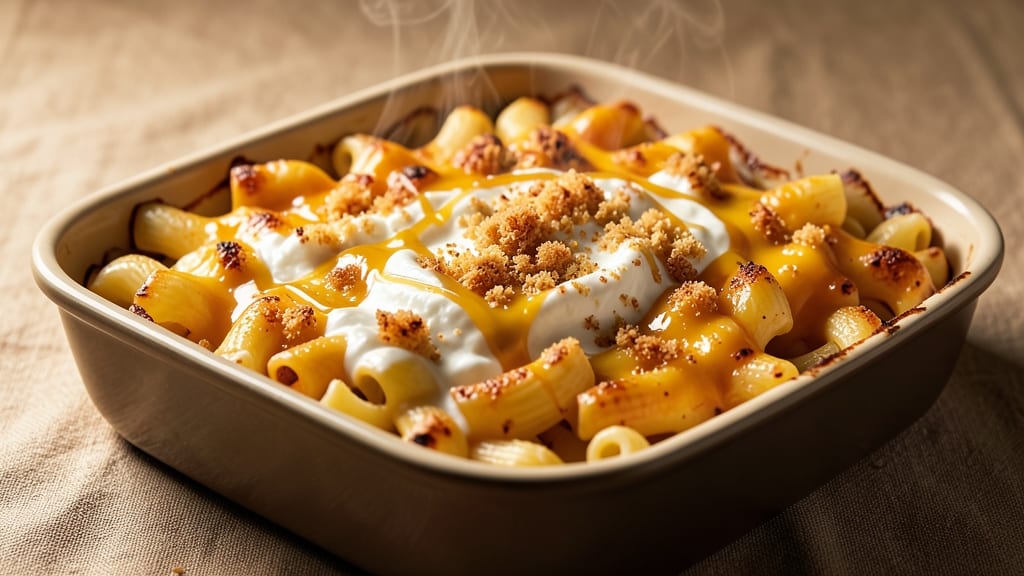
This baked mac and cheese recipe with ricotta delivers ultra-creamy layers that feel like a restaurant indulgence—without the heavy guilt.
I first discovered ricotta's magic while testing recipes for my daughter Lily's picky palate, and the difference was immediate: richer texture, smoother sauce, and a velvety finish that holds together perfectly when baked.
The secret lies in balancing ricotta's mild tang with sharp cheddar and Gruyère, creating a sauce that's both luxurious and foolproof.
The beauty of this recipe is in its simple technique that yields restaurant-quality results. You'll start with a classic roux foundation, then build the sauce in stages—first melting cheeses into the roux, then folding in ricotta for that signature creaminess.
A quick assembly in a buttered baking dish ensures those coveted golden bubbles and crispy edges, while the ricotta prevents the sauce from breaking during baking. It's the kind of dish that transforms a simple weeknight dinner into something special without requiring advanced skills.
What you'll end up with is a creamy, cheesy masterpiece with a perfectly set sauce that clings to every noodle—no lumps, no separation, just velvety perfection.
The ricotta adds a subtle tang that balances the richness, while the breadcrumb topping (if you choose to add it) creates satisfying texture contrast. This recipe scales beautifully too, making it ideal for feeding a crowd or meal prepping for the week ahead.
For extra depth, consider adding a sprinkle of smoked paprika or fresh herbs before baking, or swap out the breadcrumbs for crushed potato chips for a crispy, salty contrast.
The possibilities are endless, but the base recipe delivers on its promise of creamy, comforting satisfaction every time. Ready to make the best mac and cheese you've ever tasted?
Ingredients for baked mac and cheese recipe with ricotta
Pantry staples plus a few cheesy luxuries—this list delivers restaurant-worthy mac and cheese.
| Ingredient | Amount | Notes |
|---|---|---|
| Elbow Macaroni 🍝 | 12 oz | Dry, medium or elbow shape |
| Unsalted Butter 🧈 | ½ cup | Cold, cut into pieces |
| All-Purpose Flour 🌾 | ½ cup | Sifted for smooth sauce |
| Whole Milk 🥛 | 2 cups | Full-fat for creaminess |
| Ricotta Cheese 🧀 | 1 cup | Part-skim or whole, room temp |
| Sharp Cheddar Cheese 🧀 | 2 cups | Shredded, extra-sharp preferred |
| Gruyère Cheese 🧀 | 1 cup | Shredded, nutty flavor |
| Garlic Cloves 🧄 | 2 cloves | Minced, for roux depth |
| Yellow Mustard 🍯 | 1 tbsp | Dijon or regular |
| Dried Mustard 🌶️ | ½ tsp | For subtle tang |
| Salt 🧂 | 1 ½ tsp | Kosher or sea salt |
| Black Pepper 🌶️ | ½ tsp | Freshly ground |
| Panko Breadcrumbs 🍞 | ¼ cup | For crispy topping |
| Extra-Virgin Olive Oil 🫒 | 1 tbsp | For baking dish |
The ricotta is non-negotiable here—it's what turns this from good to showstopper. Whole milk ricotta has more fat for that velvety texture, but part-skim works too. Grab the freshest block you can find, not that pre-shredded stuff from the tub. For the cheddar, sharp is key—it cuts through the ricotta's creaminess. I like Kraft or Cabot for reliability, but any aged cheddar will do. Gruyère adds that nutty depth—skip it if you're in a pinch, but trust me, it's worth the extra dollar. The macaroni? Any shape works, but elbow holds the sauce best. Cook it al dente so it doesn't turn mushy when baked.
No ricotta? Cottage cheese blended smooth gets you close, though it's not quite the same. Short on Gruyère? Parmesan at half the amount adds saltiness but lacks the nutty notes. The mustard is crucial—it prevents the sauce from getting too heavy. No mustard? White wine or lemon juice adds brightness. For the roux, don't rush it—cook the butter and flour until it's a deep golden color, about 5-7 minutes. That's what builds the flavor foundation. And if you're feeling fancy, add a pinch of smoked paprika to the breadcrumbs for extra depth.
This sauce gets better the next day—honestly, it's even more luxurious after reheating. Store leftovers covered in the fridge for 4-5 days, or freeze portions for 3 months. For baking, a 9x9-inch dish is ideal, but any oven-safe pan works. The breadcrumb topping? Toast it in the oven for 2-3 minutes before adding the mac and cheese—crispier equals happier. And if you're making this ahead, assemble everything except the topping, refrigerate overnight, then bake straight from the fridge for perfect texture.
Why You'll Love This Recipe
- One-Bowl Magic: I swear by this recipe because it’s actually one bowl—no separate sauce pan, no messy whisking. You just melt butter, toss in flour, add milk and ricotta, then fold in the cooked pasta. Done. (And yes, it’s still creamy as hell.)
- Ricotta Secret Weapon: Between us, ricotta changes everything. It’s lighter than usual cheeses but adds that silky texture that makes every bite feel luxurious. Plus, it cuts through the richness so it’s not just a greasy blob—it’s balanced perfection.
- Weeknight & Potluck Star: This bakes in 25 minutes, so it’s my go-to for when I’m exhausted but still need to feed people. Bring it to a gathering—it’s hearty enough for a main, but fancy enough to impress. (Pro tip: Add a sprinkle of breadcrumbs on top if you want to look like you tried.)
- Budget-Friendly Luxury: Elbow mac, butter, milk—these are pantry staples that won’t break the bank. Ricotta might seem pricier, but a little goes a long way, and the leftovers? They’re almost as good reheated (microwave with a splash of milk to keep it creamy). Win.
Step-by-step instructions for baked mac and cheese with ricotta
Here's how to build layers of creamy perfection—no lumps, no guilt, just gooey goodness.
Cook the Pasta Al Dente
Bring a large pot of salted water to a rolling boil using about 2 tablespoons of salt (it should taste like the ocean). Add the 12 oz elbow macaroni and cook for 1 minute less than the package directions—this ensures it finishes cooking in the oven. I like to test a piece by biting into it; it should be tender but still have a slight bite.
Drain the pasta in a colander and immediately rinse it under cold water for 10 seconds to stop the cooking process. Shake off any excess water and return it to the pot. This step prevents the pasta from becoming mushy when mixed with the cheese sauce later. I always keep a towel handy to blot any remaining moisture from the pasta—dry pasta mixes better with the sauce.
Make the Ultra-Creamy Cheese Sauce
In a large skillet, melt the ½ cup unsalted butter over medium heat. Once it's fully melted and foaming, add the ½ cup all-purpose flour and whisk constantly for 1-2 minutes until the mixture forms a smooth, pale roux. This is your sauce foundation—don't let it brown or it'll taste bitter.
Gradually whisk in the 2 cups whole milk, about ½ cup at a time, allowing each addition to fully incorporate before adding more. Continue whisking until the mixture thickens to a pudding-like consistency. Remove from heat and stir in the 1 cup ricotta cheese, 2 cups sharp cheddar cheese, 1 cup gruyère cheese, 2 cloves minced garlic, 1 tablespoon yellow mustard, ½ teaspoon dried mustard, 1½ teaspoons salt, and ½ teaspoon black pepper. The sauce should be velvety smooth—if it looks too thick, whisk in a splash of warm milk to loosen it.
Combine Pasta and Sauce
Add the cooked macaroni to the cheese sauce and stir gently until everything is thoroughly coated. The mixture should look like a thick, creamy batter. I like to use a large spatula to fold everything together—this prevents breaking up the pasta strands. If the sauce seems too stiff, add a little more warm milk to reach a spreadable consistency. The goal is a smooth, velvety texture that coats every strand of pasta.
Transfer the macaroni mixture to a 9x9-inch baking dish that's been lightly greased with 1 tablespoon extra-virgin olive oil. Spread it out evenly, pressing down gently to create a compact layer. This helps prevent the macaroni from floating to the top during baking. I like to use a rubber spatula to smooth out any lumps or air bubbles on the surface.
Add the Crispy Topping
In a small bowl, mix together the ¼ cup panko breadcrumbs with 1 tablespoon extra-virgin olive oil until evenly combined. This topping is what gives your mac and cheese that perfect crunchy contrast. Sprinkle the breadcrumb mixture evenly over the top of the macaroni, pressing down lightly so it sticks. For extra flavor, you can also sprinkle a pinch of salt and black pepper over the top.
Bake uncovered at 375°F for 20-25 minutes, until the top is golden brown and the edges are bubbling. The center should still be slightly jiggly—this indicates it's perfectly creamy inside. If you want an extra crispy top, broil for 1-2 minutes at the end, watching closely to avoid burning.
Rest and Serve
Remove the baking dish from the oven and let it rest for 5-10 minutes before serving. This resting time allows the layers to set slightly, making it easier to slice without losing all the gooey goodness. The cheese will continue to melt and thicken as it sits, creating that perfect pull-apart texture.
Slice into squares and serve immediately with a side salad or crusty bread. Each bite should deliver that creamy, cheesy goodness with a satisfying crunch from the breadcrumb topping. If you're feeling fancy, garnish with a sprinkle of extra sharp cheddar or a drizzle of hot honey for added depth of flavor.
Pro Tips For Making Baked Mac And Cheese Recipe With Ricotta
- STRAIN AND RINSE PASTA: I learned this the hard way—ricotta’s moisture is sneaky. After draining the elbow macaroni, give it a quick rinse under cold water and shake it dry in the colander. This stops the pasta from turning mushy when mixed with the ricotta later. (Yes, even if you’re impatient like me.)
- MELT BUTTER LOW AND SLOW: Skip the high-heat rush when making the roux. Melt the unsalted butter over medium-low, stirring constantly until it’s just golden—not brown. Ricotta’s acidity can curdle if the butter gets too hot, and you don’t want a lumpy cheese sauce ruining your dish.
- WHISK RICOTTA UNTIL SMOOTH: Don’t just fold in the ricotta like you’re folding laundry. Break it into chunks first, then whisk it vigorously into the warm cheese sauce until it’s completely smooth. This prevents grainy texture—trust me, your taste buds will notice the difference.
- BAKE COVERED FIRST: Start the mac and cheese under foil at 375°F (190°C) for the first 20 minutes. This lets the ricotta melt evenly without drying out. Then uncover for the last 5–10 minutes to get that golden crust—just watch it like a hawk, or you’ll end up with burnt cheese.
Serving suggestions for this baked mac and cheese recipe with ricotta
Classic Pairings
This ultra-creamy mac and cheese pairs perfectly with crisp romaine lettuce tossed in Portland farmers market lemon vinaigrette—the bright acidity cuts through the richness. I always grab New Seasons Market's fresh heirloom tomatoes and local heirloom cucumbers to round out the plate.
The contrast of cool, fresh greens with warm, cheesy mac makes every bite feel balanced. 🥗
Bread & Crusty Sides
Serve with crusty sourdough or garlic bread made from a Portland bakery's fresh loaf—it's perfect for soaking up any extra sauce. For a heartier meal, add roasted Brussels sprouts with balsamic glaze and crispy prosciutto.
My daughter Lily loves when I sprinkle toasted pumpkin seeds on her portion for extra crunch. The textures create a satisfying contrast that keeps the meal exciting.
Protein Additions
For a complete meal, top individual portions with crispy baked chicken tenders or smoked salmon for a Pacific Northwest twist. I've also tried adding grilled shrimp with a squeeze of lemon—it adds a seafood element that feels surprisingly elegant.
For vegetarians, sautéed mushrooms with thyme add earthy depth without overpowering the cheese. The ricotta keeps the dish rich enough to stand up to bold flavors.
Dessert Matchups
End the meal with warm apple crisp using my Cincinnati apple butter recipe—it's a nostalgic nod to my childhood. For something lighter, vanilla bean ice cream with a drizzle of local honey from our backyard garden bees creates a perfect sweet finish.
The creamy cheese and sweet dessert balance beautifully, leaving everyone satisfied. 🍏
Make-Ahead Serving
This mac and cheese reheats beautifully for lunchbox-friendly portions—I pack it in glass Pyrex containers with a side of carrot sticks and whole-grain crackers. For dinner parties, assemble the dish ahead and refrigerate overnight, then bake straight from the fridge for that perfect texture.
The ricotta prevents the sauce from getting watery, so it holds up beautifully even after reheating. Just add a fresh garnish before serving to keep it looking restaurant-worthy.
Nutrition facts
Frequently asked questions
Why does ricotta make this mac and cheese extra creamy?
Ricotta adds a delicate, velvety texture that traditional cheeses can't match. Its high moisture content blends seamlessly with the roux and melted cheeses, creating a lighter yet richer sauce than heavy cream. The mild tang also balances the sharpness of cheddar and Gruyère, preventing the dish from becoming too heavy. Think of it as the secret weapon for that restaurant-quality mouthfeel without extra fat.
Can I make this recipe without ricotta?
Yes, but the texture will be denser. Replace the ricotta with ½ cup whole milk blended with ½ cup cottage cheese (strained through a sieve) for a close substitute. For extra richness, add 1 tablespoon heavy cream to the sauce. The dish will still be delicious, but you'll lose that signature ultra-creamy layer that makes this recipe special.
How do I prevent the mac and cheese from getting watery when baked?
Undercooking the pasta and using ricotta are your best defenses. Cook pasta 1 minute less than package instructions, then rinse briefly in cold water to stop cooking. The ricotta absorbs excess moisture while baking. Also, press the mixture firmly into the baking dish before adding the topping—this creates a compact layer that holds its shape. For extra insurance, bake at 375°F until just set (center should be slightly jiggly).
What's the best way to reheat leftovers?
For best results, cover and reheat in a 350°F oven for 15-20 minutes until warmed through. Microwave reheating works but can make the sauce watery—add a splash of milk and stir well. The ricotta helps prevent separation, but adding a few extra minutes in the oven ensures that creamy texture stays intact. Store leftovers in an airtight container for up to 5 days.
Can I use different cheeses in this recipe?
For a smoky flavor, swap ½ cup Gruyère for smoked Gouda. Want something sharper? Add ½ cup pepper jack** to the mix. Just maintain the same total cheese volume. Avoid pre-shredded cheeses—they contain anti-caking agents that can make the sauce grainy. Freshly grated always yields the best texture.