
Salads
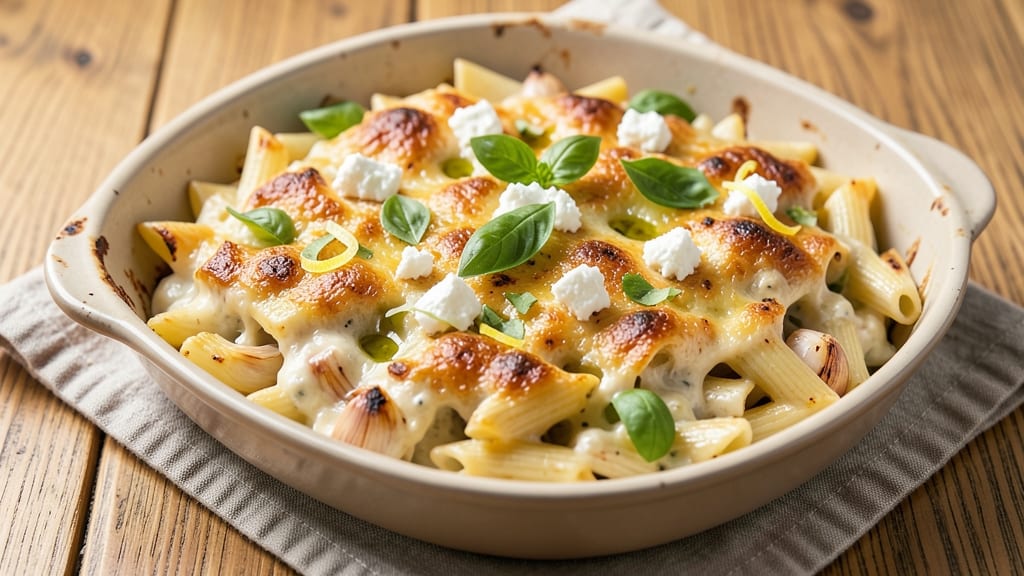
This baked feta cheese pasta recipe delivers crispy golden edges and a melty feta center that transforms ordinary pasta into a showstopper. The secret lies in baking the dish until the cheese forms a bubbly, caramelized crust while staying creamy inside—a technique that elevates simple ingredients into something restaurant-worthy.
What makes this recipe special is how the feta transforms from tangy chunks to a rich, velvety sauce as it bakes, coating every strand of pasta in salty, savory goodness.
The process is simpler than it sounds: cook your favorite pasta, toss it with a minimalist sauce (or none at all), and top with feta before baking until the cheese browns and bubbles.
No fancy ingredients or complicated steps—just a foolproof method that guarantees crispy edges and tender pasta every time.
The result is a dish that’s hearty enough for a main course but easy enough for a weeknight dinner, with optional add-ins like fresh herbs or roasted vegetables to customize it to your taste.
By the time it emerges from the oven, you’ll have a dish that’s visually stunning and impossible to resist—golden, bubbling, and dripping with melted feta. The contrast of crispy top and creamy center creates the perfect texture, while the salty, tangy feta adds depth that balances the pasta perfectly.
This is the kind of recipe that turns a simple pasta night into a memorable meal without requiring hours in the kitchen.
Serve it with a side of crusty bread to soak up every last bit of that melty feta goodness, or pair it with a simple arugula salad for a complete vegetarian meal.
The beauty of this recipe is its flexibility—it’s just as satisfying as a main dish or a hearty side, and the leftovers reheat beautifully for lunch the next day.
Ingredients for baked feta cheese pasta
Twelve ingredients transform into a restaurant-worthy baked feta pasta with crispy edges and melty centers.
| Ingredient | Amount | Notes |
|---|---|---|
| Pasta 🍝 | 12 oz | Penne or rigatoni preferred |
| Block Feta Cheese 🧀 | 1 lb | Salty, crumbled variety |
| Extra-Virgin Olive Oil 🫒 | ½ cup | For crispy golden edges |
| Garlic Cloves 🧄 | 4 cloves | Minced for flavor base |
| Fresh Basil Leaves 🌿 | ½ cup | Chopped, for freshness |
| Lemon Zest 🍋 | 1 tbsp | Brightens the feta flavor |
| Diamond Crystal Kosher Salt 🧂 | 1 tsp | For seasoning pasta |
| Ground Black Pepper 🌶️ | ½ tsp | Freshly cracked preferred |
| Cherry Tomatoes 🍅 | ½ lb | Halved for topping |
| Fresh Arugula 🌱 | 2 cups | For serving on the side |
| Crusty Bread 🍞 | 1 loaf | For soaking up sauce |
| Heavy Cream 🥛 | ¼ cup | Optional for creamier sauce |
The feta is non-negotiable here. Look for salty, crumbled feta blocks at specialty markets or the deli section—pre-shredded gets clumpy and won't melt right. Whole Foods or Trader Joe's carry excellent options, or grab a wedge from your local cheese counter. The pasta matters too: penne or rigatoni hold the feta best. Cook it al dente—it'll finish baking in the oven. For the cherry tomatoes, heirloom varieties add visual appeal, but regular ones work fine. Fresh basil? Grow your own or buy from the farmers market—it's worth the extra punch.
No cherry tomatoes? Sun-dried tomatoes at half the amount add depth. Short on feta? Gouda or provolone work in a pinch, though they won't be as tangy. The heavy cream is optional but transforms the sauce from rich to decadent—use full-fat for best results. Lemon zest can be swapped for 1 tbsp lemon juice if you're in a hurry. For the arugula, pre-washed bags save time, but fresh leaves are brighter. The crusty bread? Any good sourdough or baguette will do—just toast it while the pasta bakes for maximum crispiness.
Pasta reheats beautifully—just cover with foil and warm in the oven for 10-15 minutes. The feta sauce gets even better the next day as it fully melds. Store leftovers in an airtight container for 3-4 days. For make-ahead prep, assemble everything except the cheese, refrigerate, then bake straight from cold. The cheese will still crisp perfectly. Portion the bread separately—it stays fresh longer that way.
Why You'll Love This Recipe
- Here’s what sold me: that crispy feta edge with the creamy center—it’s like a little salty surprise in every bite. The basil brightens it up so much, I often double it just because. (Yes, even on a Tuesday night.)
- One-Pan Magic: I swear by this for nights when I don’t want to scrub a million dishes. Toss everything—pasta, feta, garlic, basil—onto one sheet pan, drizzle with olive oil, and let the oven do the work. The feta gets that golden crust while the pasta soaks up all the garlicky goodness.
- Salty-Sweet Crunch: Here’s what sold me: that crispy feta edge with the creamy center—it’s like a little salty surprise in every bite. The basil brightens it up so much, I often double it just because. (Yes, even on a Tuesday night.)
- Weeknight & Potluck Star: This is my go-to for both lazy dinners and bringing to gatherings. Serve it warm for a hearty meal, or let it cool slightly for a make-ahead dish that still tastes fresh. My roommates always ask for seconds, which means it’s officially approved.
Step-by-step instructions for baked feta cheese pasta
Here's how to create a golden, crispy crust with perfectly melty feta throughout.
Cook the Pasta Al Dente
Bring a large pot of water to a rolling boil and add 12 oz pasta (penne or rigatoni work best). Cook until 1 minute before the package instructions specify for al dente—this ensures it finishes cooking in the oven. Reserve 1 cup of pasta water before draining, as we'll use it later to loosen the sauce.
I always taste-test a piece at this stage—it should be firm but tender with a slight bite. Drain the pasta and transfer it to a large bowl. While still warm, toss it with 0.5 cup extra-virgin olive oil to prevent sticking and create a silky base for the feta sauce. The oil also helps create that beautiful crispy crust later.
Prepare the Feta Mixture
In a medium bowl, combine 1 lb block feta cheese (crumbled), 4 minced garlic cloves, 0.5 cup chopped fresh basil leaves, 1 tbsp lemon zest, 1 tsp diamond crystal kosher salt, and 0.5 tsp freshly cracked black pepper. Mix until the feta is evenly distributed and the flavors meld together.
For best results, use a salty feta variety—this ensures the cheese melts beautifully without needing extra salt. The lemon zest brightens the rich, salty feta, while the basil adds freshness that cuts through the richness. I like to press the feta through a ricotta strainer for extra-smooth texture, but crumbling works perfectly too.
Combine Pasta and Feta Mixture
Add the feta mixture to the warm pasta and gently fold everything together using a large spatula. If the mixture seems dry, add 2-3 tablespoons of the reserved pasta water to help bind everything. The goal is to create a thick, spreadable consistency that will crisp beautifully in the oven.
Here's where the magic happens: the residual heat from the pasta helps melt the feta slightly, creating a creamy base. Don't overmix—just combine until everything is evenly distributed. The pasta should be coated in a thick, cheesy layer that will develop that coveted crispy crust.
Assemble and Bake for Crispy Perfection
Preheat your oven to 400°F and grease a 9x13-inch baking dish with olive oil. Spread the pasta mixture evenly in the dish, pressing down gently to create an even surface. This helps prevent uneven browning and ensures the crust forms properly.
Bake for 20-25 minutes until the top is deep golden brown and the edges are crispy. You'll see the cheese pulling away from the edges—that's your signal it's ready. If the top browns too quickly, tent it loosely with foil for the last 5 minutes to prevent burning while the center finishes cooking.
Finish and Serve with Fresh Toppings
Remove the baking dish from the oven and let it rest for 5 minutes before serving. This allows the heat to distribute and makes the crispy top easier to handle. While it rests, halve 0.5 lb cherry tomatoes and arrange them on top of the pasta.
Serve immediately with 2 cups fresh arugula on the side and 1 loaf crusty bread for soaking up the sauce. For an extra-rich version, drizzle with 0.25 cup heavy cream before serving. The contrast between the crispy top, creamy feta, and fresh arugula makes this dish truly special.
Pro Tips For Making Baked Feta Cheese Pasta
- CRUMBLE FETA FIRST: The block feta won’t melt like mozzarella—it’ll just turn into a salty paste if you bake it whole. Break it into 1-inch chunks (yes, even if it looks messy) and scatter them evenly over the pasta. This keeps texture and prevents one giant feta brick in your dish.
- SALT THE PASTA WATER LATE: I used to salt the pasta water early, thinking it’d give more flavor. Wrong. Add salt after the water boils and the pasta starts cooking—this way, the salt dissolves properly and clings to the noodles instead of evaporating into steam. (And yes, use a lot—about 1.5 tablespoons per pound of pasta.)
- ROAST GARLIC UNTIL SOFT: Raw garlic in this dish just tastes sharp and medicinal. Slice the cloves in half lengthwise, toss them in olive oil, and roast at 400°F for 10–12 minutes until the edges are golden and the flesh is almost jammy. The sweetness balances the feta’s saltiness—trust me, it’s worth the extra step.
- DRIZZLE OIL AFTER BAKING: The pasta’s going to release moisture while baking, and that’s fine—but if you add the olive oil before baking, it’ll pool at the bottom. Wait until the dish comes out of the oven, then drizzle that golden EVOO directly over the feta and basil. The heat’s already done its work, and now the oil can cling where it matters most.
Make-ahead tips for this recipe
Prep Ahead Strategy
Assemble the entire dish—pasta, feta, and all toppings—up to 24 hours in advance and refrigerate uncovered. This allows flavors to meld beautifully, and the feta will develop a deeper tang.
When ready to bake, simply transfer the cold dish straight from the fridge to the oven at 400°F for 25-30 minutes—the extra time compensates for the cold start. 🌟
Oven Prep Shortcut
Preheat your oven to 400°F while the pasta cooks, then bake immediately after assembling. This ensures the pasta stays warm and the feta melts evenly. For a crispier crust, broil for 1-2 minutes at the very end—just watch it closely to avoid burning.
I always line the baking dish with parchment paper for easy cleanup.
Portioning for Meals
Divide assembled pasta into individual oven-safe ramekins (about 1 cup per serving) and refrigerate. When ready to bake, pop them in the oven at 400°F for 15 minutes—perfect for family-style dinners or meal prep. The smaller portions crisp faster and are easier to handle. 💫
Freezer-Friendly Method
For longer storage, assemble the dish, spread it in the baking dish, and freeze it uncovered for 1 hour to firm up. Cover tightly with foil and freeze for up to 1 month.
Thaw overnight in the fridge, then bake as directed—no need to thaw completely before baking. The texture stays just as crispy!
Reheating Leftovers
Leftovers reheat beautifully in the oven for 10-15 minutes at 350°F to restore crispiness. For a quick fix, microwave on 50% power for 1-2 minutes, then broil for 1-2 minutes to revive the crust. I always add a splash of water or reserved pasta water to keep it moist.
Make-Ahead Toppings
Prep toppings like cherry tomatoes and arugula separately and store them in airtight containers. Add them fresh after baking to maintain crispness and brightness. For the crusty bread, toast it just before serving—it stays fresh longer when kept separate.
This keeps everything at its peak when you're ready to serve. ✨
Nutrition facts
Frequently asked questions
Can I use pre-shredded feta cheese for this recipe?
Pre-shredded feta works in a pinch, but block feta is ideal because it melts better and creates a creamier sauce. The pre-shredded version often contains anti-caking agents that prevent proper melting. If you must use it, press the excess moisture out using a clean kitchen towel before adding it to your pasta.
What's the best pasta shape for this baked feta dish?
Penne or rigatoni are perfect—their ridges hold the feta sauce beautifully and create a crispy crust. Other good options include fusilli or farfalle. Avoid long, thin noodles like spaghetti, as they won't hold the cheese mixture as well when baked.
Why did my feta not melt properly?
Under-melting usually happens when the pasta isn't warm enough or the oven temperature isn't high enough. Always use warm pasta straight from cooking, and bake at 400°F for 20-25 minutes. If your oven runs hot, reduce to 375°F and check at 20 minutes. Using block feta (not pre-shredded) also makes a big difference.
Can I make this dish ahead of time?
Assemble everything up to 24 hours ahead and refrigerate uncovered. When ready to bake, transfer straight from the fridge to 400°F oven for 25-30 minutes. The extra time compensates for the cold start. For freezing, assemble and bake as directed, then freeze leftovers for up to 1 month—reheat in the oven at 350°F for 10-15 minutes.
What can I add to make this dish heartier?
Try roasted vegetables like zucchini, bell peppers, or spinach for extra nutrition. For protein, add grilled chicken or shrimp after baking. A sprinkle of toasted pine nuts or walnuts adds crunch. Just keep portions balanced—this dish is already rich with the feta!