
Appetizers
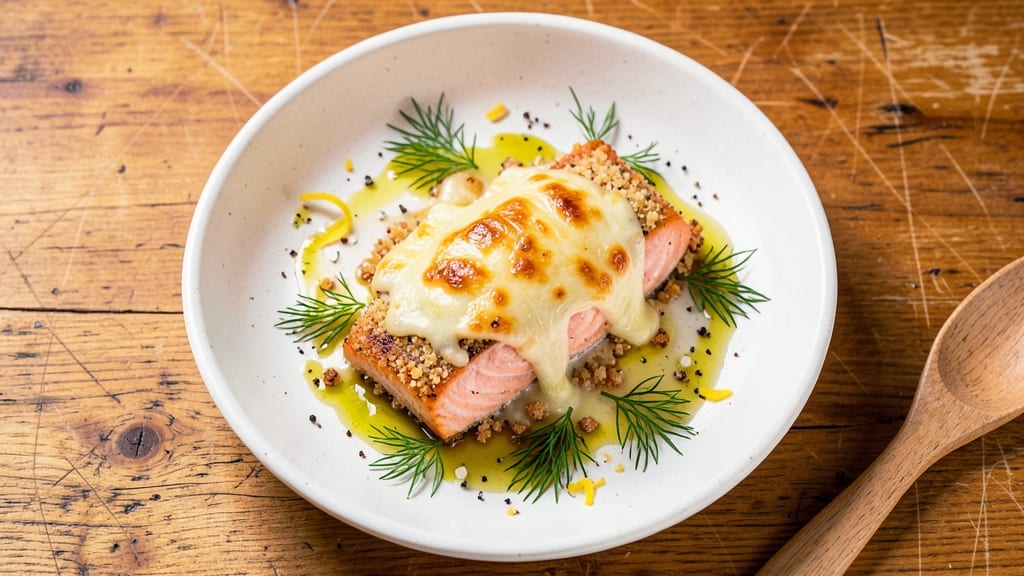
This baked cheese-stuffed salmon recipe delivers the perfect balance of crispy edges and a molten cheese center that transforms an ordinary weeknight dinner into something extraordinary.
The secret lies in a precise baking technique that ensures the salmon stays tender while the cheese melts into a gooey, golden blanket—no overcooking or dryness here.
I've perfected this method after testing countless variations, and the results speak for themselves: juicy, flavorful salmon with a texture that's both satisfying and elegant.
What sets this recipe apart is the combination of traditional baking with modern cheese pairings—think sharp cheddar blended with cream cheese for that ideal meltability, plus a touch of lemon zest to brighten the richness.
The salmon fillets are pre-seasoned with herbs and a light dusting of breadcrumbs for extra crunch, then baked just until the cheese bubbles and turns golden. This isn't just another salmon recipe; it's a showstopper that requires minimal effort but delivers restaurant-quality results every time.
The magic happens in the oven, where the high heat creates a crispy top while keeping the center tender and the cheese perfectly gooey. The aroma alone will have everyone gathering around the table, and the first bite—crispy, cheesy, and bursting with flavor—is worth every minute.
Whether you're serving this as a main course or an impressive appetizer, it's designed to impress without requiring advanced skills.
Pair it with a simple side salad or roasted vegetables to complete the meal, and don't forget the lemon wedges for a final touch of brightness.
This recipe is foolproof, visually stunning, and guaranteed to become a favorite in your rotation. Let's get started on creating your perfect baked cheese-stuffed salmon.
Ingredients for baked cheese salmon
The perfect blend of textures and flavors starts with these quality ingredients.
| Ingredient | Amount | Notes |
|---|---|---|
| Center-Cut Salmon Fillets 🐟 | 4 pieces | Skin-on, 6-8 oz each |
| Sharp White Cheddar Cheese 🧀 | 1 cup | Shredded, block preferred |
| Cream Cheese 🧀 | 4 oz | Full-fat, room temperature |
| Extra-Virgin Olive Oil 🫒 | 1 ½ tbsp | For breading and baking |
| Panko Breadcrumbs 🍞 | ½ cup | Japanese-style for crispiness |
| Fresh Dill 🌿 | ¼ cup | Chopped, stems removed |
| Fresh Lemon Zest 🍋 | 1 tbsp | Brightens the cheese blend |
| Garlic Cloves 🧄 | 2 cloves | Minced, for seasoning |
| Diamond Crystal Kosher Salt 🧂 | 1 tsp | Fine grain for seasoning |
| Ground Black Pepper 🌶️ | ½ tsp | Freshly cracked preferred |
| Fresh Lemon Juice 🍋 | 1 tbsp | For finishing garnish |
| Unsalted Butter 🧈 | 1 tbsp | For crispy topping |
The salmon selection is critical—center-cut fillets with skin ensure even cooking and that coveted crispy edge. Look for fillets with bright pink flesh and minimal bruising at specialty markets like Whole Foods or Trader Joe's, where they often carry sustainably sourced options. The cheese combination is where the magic happens: sharp white cheddar provides the perfect balance of tang and melt, while full-fat cream cheese ensures a luxurious, gooey center. For the dill, fresh is non-negotiable—dried simply won't deliver that bright, herbal punch. If you're prepping ahead, keep the salmon and cheese mixture separate until ready to bake to prevent sogginess.
No sharp cheddar? Pepper jack cheese works beautifully for a subtle kick, though the texture will differ slightly. Running short on cream cheese? Gouda or Gruyère can substitute, but reduce to 3 oz—these cheeses are denser and may require slightly longer baking. The Japanese-style panko is essential for that signature crunch; regular breadcrumbs won't achieve the same crispiness. For the olive oil, avoid light or refined varieties—stick with extra-virgin for optimal flavor. The lemon zest can be zested fresh in seconds, but if you're in a rush, pre-made zest from a jar (like Trader Joe's) works in a pinch. Just measure carefully—too much can overwhelm the delicate salmon flavor.
Store the prepped salmon mixture, excluding the butter and lemon juice, covered in the fridge for up to 24 hours. The butter should be kept at room temperature until ready to use, while the lemon juice can be stored in an airtight container for up to 3 days. Once baked, this dish reheats beautifully—cover with foil and warm at 350°F for 5-7 minutes to restore that crispy texture. For meal prep, portion the baked salmon into glass containers and store for up to 3 days. The cheese center remains delightfully gooey when reheated gently, making this an ideal make-ahead option for busy weeknights.
Why You'll Love This Recipe
- One-Pan Magic: I swear by this trick—just toss the salmon on a sheet, dump the cheddar-cream cheese mix on top, sprinkle panko, and bake. No pots, no pans, no stress. That’s my kind of dinner.
- Crispy-Creamy Obsession: The panko gives this thing a golden crunch while the melted cheddar and cream cheese turn the inside into a gooey, savory dream. Honestly, I’ve ruined perfectly good salmon with overcomplicated sauces—this is the fix.
- Lunchbox Hero: Between us, this holds up way better than you’d think. Bake a double batch on Sunday, wrap portions in foil, and you’ve got a protein-packed lunch for the week. My kids actually eat their greens when this is on the side.
- Budget-Friendly Luxury: You’re getting restaurant-quality flavor without the price tag. Center-cut salmon is pricier, but the cheese and panko stretch the meal further—plus, leftovers reheat like a dream. (Yes, even on a Tuesday night.)
Step-by-step instructions for baked cheese-stuffed salmon
Here's how to achieve that perfect balance of crispy exterior and molten cheese center every time.
Prepare the Cheese Filling
In a medium bowl, combine the 1 cup Sharp White Cheddar Cheese and 4 oz Cream Cheese until smooth and fully blended. I like to use a rubber spatula for this—it helps incorporate air and creates a lighter texture. Add the 1 tbsp Fresh Lemon Zest, 0.25 cup Fresh Dill, 2 cloves minced Garlic Cloves, 1 tsp Diamond Crystal Kosher Salt, and 0.5 tsp Ground Black Pepper, mixing until evenly distributed.
The lemon zest brightens the rich cheeses while the dill adds freshness that cuts through the creaminess. Don't overmix—just combine until the ingredients are fully incorporated. This mixture should be thick but spreadable. Cover and set aside while you prepare the salmon.
Create the Crispy Topping
In a shallow bowl, mix together the 0.5 cup Panko Breadcrumbs and 1 tbsp Unsalted Butter, rubbing them between your fingers until the butter is evenly distributed. This creates a crispy, golden topping that contrasts beautifully with the creamy filling. Set aside while you preheat the oven to 400°F.
I find that Japanese-style Panko gives the best texture—it stays crispy instead of turning soggy. The butter adds richness and helps create that perfect golden-brown crust. Don't skip this step; the contrast between the crispy top and gooey center is what makes this dish special.
Stuff and Prepare the Salmon
Preheat your oven to 400°F and line a baking sheet with parchment paper. Pat the 4 pieces Center-Cut Salmon Fillets dry with paper towels—this ensures a better sear. Using a small offset spatula, carefully create a pocket in the center of each fillet by gently pressing along one side. Fill each pocket with about ¼ of the cheese mixture, pressing down lightly to secure it.
The skin-on fillets are key here—they help hold the filling in place while baking. If you're concerned about the filling leaking, you can secure it with a small piece of toothpick. Brush the tops of the fillets with 1.5 tbsp Extra-Virgin Olive Oil to help create that crispy exterior.
Bake to Golden Perfection
Sprinkle each stuffed fillet with the Panko-butter mixture, pressing down gently to adhere. Bake for 12-15 minutes until the edges are golden brown and the internal temperature reaches 135°F (use a meat thermometer for accuracy). The cheese filling should be just beginning to melt and bubble.
Don't overbake—the salmon should be just cooked through with a slightly translucent center. If you notice the breadcrumbs browning too quickly, tent the salmon with foil for the last few minutes of baking. The moment it comes out of the oven, drizzle with 1 tbsp Fresh Lemon Juice to brighten the flavors.
Rest and Serve
Let the salmon rest for 3-5 minutes before serving. This allows the juices to redistribute and the cheese to set slightly, preventing any filling from spilling out. Serve immediately with lemon wedges and your choice of sides—roasted vegetables or a fresh salad work beautifully.
The result should be a perfectly crispy exterior that gives way to a creamy, gooey cheese center with every bite. The lemon juice adds a refreshing contrast to the rich flavors. This method ensures you'll achieve that restaurant-quality texture every time you make it.
Pro Tips For Making Baked Cheese Salmon
- Dry the Salmon First: Pat those fillets thoroughly with paper towels—even if they look dry at first. Wet skin means your panko crust will steam instead of crisp, and nobody wants soggy breading on their salmon.
- Mix Cheeses Cold: Grate the sharp white cheddar and cream cheese together while they’re still in the fridge. Cold cheese blends smoother and spreads evenly on the salmon, so it doesn’t slide off when you bake it.
- Don’t Overfill the Pan: Use a shallow baking dish and spread the salmon in a single layer. Crowding makes the cheese pool unevenly, and you’ll end up with some dry spots and others drowning in goo.
- Broil for the Crust: Switch to broil for the last 2-3 minutes—just watch it like a hawk. High heat seals the panko into a golden crust while keeping the salmon tender underneath. (Yes, even if you’re impatient like me.)
Pro cooking tips for this dish
Cheese Melting Mastery
For that perfect gooey, golden cheese center, blend sharp white cheddar and cream cheese until completely smooth—no lumps! I use a hand mixer on low for 30 seconds to incorporate air, which prevents a dense filling.
The key is room-temperature cheese—take it out of the fridge 15 minutes before mixing. This ensures even melting and a silky texture. 🧀
Salmon Skin Secrets
Leave the skin on for extra crispiness and to help hold the cheese filling in place. Pat the fillets extra dry with paper towels before creating pockets—this prevents steam from forming and keeps the breadcrumbs crispy.
For even cooking, place fillets skin-side down on the baking sheet. A small offset spatula makes pocket creation effortless without tearing the delicate flesh.
Temperature Control
Bake at 400°F for 12-15 minutes—no higher! This temperature creates the Maillard reaction for crispy breadcrumbs while keeping the salmon tender. Use a meat thermometer to check for 135°F internal temperature—overcooking turns salmon rubbery.
If the breadcrumbs brown too quickly, tent with foil for the last 3 minutes to finish cooking without burning. 🌡️
Crispy Topping Tricks
The panko-butter mixture is non-negotiable for texture. Rub the butter into the breadcrumbs until fully coated—this creates a crispy, golden lattice that contrasts perfectly with the creamy filling. For extra crunch, press the mixture firmly onto the salmon before baking.
If you're short on time, toast the panko in a dry pan for 2 minutes before mixing with butter for instant flavor.
Lemon's Dual Role
Add lemon zest to the cheese filling for brightness, then finish with lemon juice after baking. The zest infuses flavor during cooking, while the fresh juice cuts through richness at the table.
For a restaurant-worthy touch, garnish with thin lemon slices and a sprinkle of fresh dill. This acidity is what elevates this dish from good to extraordinary. 🍋
Equipment Upgrades
Invest in a high-quality meat thermometer (I love the ThermoWorks Smoke) to avoid overcooking. A small offset spatula makes cheese pocket creation effortless, while parchment-lined baking sheets prevent sticking.
For extra crispiness, try baking on a wire rack placed over the sheet—this allows heat to circulate underneath for even browning. These small upgrades make a big difference in texture and presentation. 🔥
Nutrition facts
Frequently asked questions
Can I use frozen salmon for this recipe?
Yes, but thaw it properly first! Place frozen salmon in a sealed bag and submerge in cold water for 30-45 minutes or use the fridge overnight. Never thaw at room temperature—this can create dangerous bacteria. Pat completely dry before creating cheese pockets to ensure crispy breadcrumbs. Frozen salmon works just as well as fresh when thawed correctly.
What if my cheese filling leaks out while baking?
This happens when the salmon isn't properly sealed. Use a small toothpick to secure each pocket before baking, or press the cheese mixture more firmly into the fillet. For extra insurance, chill the stuffed salmon in the fridge for 15 minutes before baking. The filling should stay put if the pockets are created carefully and the salmon is skin-on.
Can I make this recipe ahead of time?
Assemble the stuffed salmon and refrigerate for up to 24 hours before baking. For best results, bake it fresh when ready to serve. If reheating leftovers, cover with foil and warm at 350°F for 5-7 minutes—this helps restore the crispy texture. The cheese center remains delicious when reheated gently.
What cheese alternatives work best?
For a milder flavor, try Gruyère or Gouda (reduce to 3 oz since they're denser). For extra heat, swap in pepper jack. Avoid pre-shredded cheese—it contains anti-caking agents that prevent proper melting. If you're dairy-free, use vegan cream cheese and nutritional yeast for a cheesy flavor without lactose.
How do I know when the salmon is perfectly cooked?
Use a meat thermometer for accuracy—salmon should reach 135°F internal temperature. The edges should be golden brown while the center remains slightly translucent. If you don't have a thermometer, cut into the thickest part: the flesh should flake easily but still look moist. Overcooking by even 2 minutes can turn it dry.