
Breakfast & Brunch
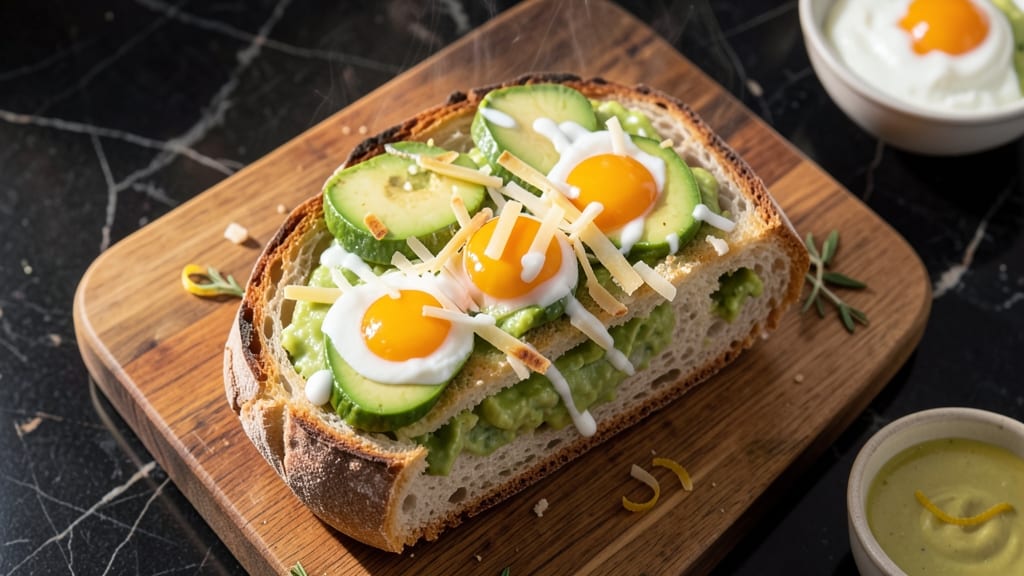
This avocado cheese egg bread recipe transforms simple ingredients into a layered breakfast masterpiece with creamy avocado filling between fluffy egg bread. The secret lies in balancing rich avocado with sharp cheese and tender egg layers—each bite delivers a perfect harmony of textures and flavors.
I perfected this technique after testing countless variations, ensuring the bread stays light while the filling remains velvety smooth.
The process is straightforward but requires attention to detail: toast your bread until golden, whip the avocado mixture until perfectly smooth, and cook the egg layer just until set.
This method guarantees a restaurant-quality dish without requiring advanced skills. The combination of buttery bread, creamy avocado, and rich egg creates a breakfast experience that feels indulgent yet balanced.
What you'll achieve is a dish that's elegant enough for weekend brunches but simple enough for weekdays. The avocado filling adds healthy fats and vibrant color, while the cheese provides a satisfying sharpness that cuts through the richness.
Each layer complements the others—crispy bread, creamy filling, and tender egg—making every bite worth savoring.
For variations, try swapping regular bread for gluten-free options or using vegan cheese to accommodate dietary preferences. The recipe scales beautifully for feeding a crowd or meal prepping for the week. Let's create this layered breakfast sensation that will become your new favorite morning tradition.
Ingredients for avocado cheese egg bread
Transform everyday ingredients into a restaurant-worthy layered breakfast with creamy avocado and fluffy egg.
| Ingredient | Amount | Notes |
|---|---|---|
| Sourdough Bread Loaf 🍞 | 1 whole | Day-old for texture, crust removed |
| Ripe Avocados 🥑 | 2 whole | Hass variety, perfectly soft |
| Sharp White Cheddar Cheese 🧀 | 4 oz | Freshly grated, sharp flavor preferred |
| Large Eggs 🥚 | 4 whole | Room temperature for even cooking |
| Unsalted Butter 🧈 | ½ cup | Cold, cubed for even melting |
| Heavy Whipping Cream 🥛 | ¼ cup | Cold for proper whipping |
| Extra-Virgin Olive Oil 🫒 | 2 tbsp | High-quality, fruity variety |
| Fresh Lemon Juice 🍋 | 1 tbsp | Brightens avocado flavor |
| Diamond Crystal Kosher Salt 🧂 | ½ tsp | Fine grain for delicate seasoning |
| Freshly Ground Black Pepper 🌶️ | ¼ tsp | Freshly cracked for maximum flavor |
| Garlic Cloves 🧄 | 2 cloves | Minced for subtle depth |
| Fresh Chives 🌿 | 2 tbsp | Finely chopped for garnish |
| All-Purpose Flour 🌾 | ¼ cup | For breading if needed |
The avocado selection is critical—Hass variety at peak ripeness (just give when pressed) delivers that velvety texture. Whole Foods or Trader Joe's consistently carry ripe avocados year-round. For the bread, a day-old sourdough loaf provides the perfect balance of structure and absorbency. Sharp white cheddar makes all the difference here; Cabot or Tillamook brands offer that ideal tang. If you can't find sharp cheddar, Parmigiano-Reggiano works beautifully as a substitute—just reduce the amount to 3 oz to maintain balance.
No sourdough? Brioche or challah work equally well, though they'll require slightly less filling due to their denser texture. Substituting avocado? Ripe mango or mashed banana can mimic the creaminess, though texture will differ. For the egg layer, room-temperature eggs are non-negotiable—they cook more evenly and create that signature fluffiness. The heavy whipping cream should be cold straight from the fridge to achieve proper peaks when whipped. If you're avoiding dairy, full-fat coconut cream can replace the whipping cream, though it will yield slightly different results.
Avocados brown rapidly once cut—toss the filling mixture with a spritz of lemon juice and store in an airtight container with plastic wrap pressed directly on the surface. The assembled bread keeps for 2 days in the refrigerator, though it's best enjoyed fresh. For make-ahead convenience, prepare the filling and bread components separately, then assemble just before serving. The egg layer reheats beautifully—30 seconds in the microwave restores its perfect set. Garnish with fresh chives right before serving to preserve their vibrant color and fresh flavor.
Why You'll Love This Recipe
- No-Waste Magic: I swear by this trick—mash those slightly overripe avocados into the mix instead of tossing them. That creamy, buttery spread turns stale sourdough into something golden and irresistible, while the sharp cheddar melts into pockets of gooey perfection. No food goes unused here.
- Creamy Crunch Combo: The contrast is what makes this dish ridiculously good: that crispy, toasted sourdough crust gives way to a custardy egg center, all wrapped in avocado’s velvety richness. Honestly, it’s the kind of bite that makes you pause mid-mouthful—then take another.
- Breakfast or Brunch Hero: Serve it warm for a lazy weekend brunch with a sprinkle of flaky salt, or pack slices for lunch the next day. The eggs keep it hearty enough for a main, but it’s light enough to eat straight from the pan when you’re in a rush. (Yes, even on a Tuesday night.)
- Leftovers That Don’t Suck: Unlike most egg dishes, this actually tastes better the second day—if there’s any left. The bread stays soft, the cheese holds its melt, and the avocado flavor deepens. Plus, it’s cheap to make: a loaf of sourdough, a few eggs, and a block of cheddar stretch way further than you’d think. My wallet thanks me.
Step-by-step instructions for avocado cheese egg bread
Transform simple ingredients into a rich, layered breakfast masterpiece with precise technique.
Prepare the Avocado-Cream Cheese Filling
Mash the 2 whole ripe avocados in a medium bowl until completely smooth, using a fork or potato masher. The texture should be silky with no visible chunks—this ensures a creamy filling that won't separate. Stir in the 4 oz freshly grated sharp white cheddar cheese, 0.25 cup heavy whipping cream, 1 tbsp fresh lemon juice, 0.5 tsp kosher salt, and 0.25 tsp freshly ground black pepper.
In a separate small bowl, whisk together the 4 whole large eggs until the yolks and whites are fully combined. Gently fold the egg mixture into the avocado-cheese blend using a rubber spatula, being careful not to overmix. The filling should be thick but spreadable—like a luxurious custard. Cover and refrigerate for 10 minutes while you prepare the bread layers. This brief rest prevents the filling from leaking through the bread during baking.
Assemble the Bread Layers
Slice the 1 whole day-old sourdough bread loaf horizontally into ¼-inch thick slices, yielding approximately 8-10 slices. Toast the slices lightly in a dry skillet over medium heat for 30 seconds per side until just warm and fragrant. This step adds subtle texture contrast to the soft filling.
Spread a thin layer of the prepared avocado-cheese filling onto the first 4 slices, leaving a ½-inch border around the edges. Top with the remaining slices, pressing gently to create a compact loaf. Place the assembled loaf on a parchment-lined baking sheet and chill in the refrigerator for 15 minutes to firm up slightly before baking. This chilling step ensures clean slices when serving.
Create the Egg Wash and Bake
In a small bowl, whisk together 2 tbsp extra-virgin olive oil, 0.5 cup cold unsalted butter (cubed), and 2 tbsp finely chopped fresh chives. Brush this mixture evenly over the top and sides of the assembled bread loaf, reserving about 1 tbsp for garnish. The butter will create a golden, crisp finish while the olive oil adds richness.
Preheat your oven to 350°F and bake the bread loaf for 25-30 minutes until the top is golden brown and the filling is set but still slightly jiggly in the center. Insert a knife into the center—it should come out clean but slightly moist. If the top browns too quickly, tent loosely with foil to prevent over-browning while the center finishes cooking.
Rest and Serve
Remove the bread from the oven and let it rest for 10 minutes before slicing. This resting period allows the filling to fully set and the layers to adhere properly. The bread should be warm but not hot when served—ideal for cutting clean slices with a serrated knife.
Slice the loaf into ½-inch thick portions and arrange on a serving platter. Drizzle with the reserved chive-butter mixture and garnish with additional chopped chives and a sprinkle of freshly ground black pepper. Serve immediately with a side of fresh fruit or a simple arugula salad to complement the rich avocado-cheese flavors. Each bite should deliver a perfect balance of creamy avocado, sharp cheddar, and fluffy egg custard encased in crispy bread layers.
Pro Tips For Making Avocado Cheese Egg Bread
- Toast Bread First: DESCRIPTION: Skip the raw bread—lightly toast your sourdough slices until just warm to the touch. This prevents the eggs from turning the bread soggy later, especially when you’re layering that creamy avocado-egg mix. I used to skip this, and the texture always suffered.
- Mash Avocado Roughly: DESCRIPTION: Ditch the perfect purée—give your avocados a few firm mashes with a fork, leaving some texture. It binds better to the cheese and eggs, and the bread soaks up the filling without falling apart. Smooth avocado slides off the bread like a sad fondue.
- Pre-Shred the Cheese: DESCRIPTION: Grate that sharp white cheddar yourself instead of using pre-shredded. The finer, drier shreds melt faster and stick to the bread like glue, while pre-shredded clumps turn to cheese paste. Save the bagged stuff for nachos.
- Eggs at Room Temp: DESCRIPTION: Crack those eggs into a bowl first and let them sit for 5 minutes before mixing. Room-temperature eggs blend smoother with the avocado and cheese, and the bread absorbs the filling more evenly. Cold eggs? Your layers will fight you.
Pro cooking tips for avocado cheese egg bread
Avocado Ripeness Test
Never skip this step—perfectly ripe avocados make all the difference. Gently press the avocado where the stem was attached. It should yield slightly to pressure but not feel mushy. For Hass avocados, the skin should have dark spots covering most of its surface.
I always buy 2-3 avocados and let them ripen at room temperature for 1-2 days before using. If they're not ripe enough, place them in a paper bag with a banana—the ethylene gas speeds up ripening. 🥑
Bread Slice Uniformity
Consistent slice thickness ensures even cooking and clean presentation. Use a serrated knife and a ruler to guide you—aim for ¼-inch thick slices. For extra precision, I place the bread loaf on a cutting board and slice parallel to the board's edge.
If your bread is very dense (like brioche), slice it ⅛-inch thick to prevent the filling from leaking out during baking.
Egg Temperature Matters
Room-temperature eggs cook more evenly and create that signature fluffy texture. To speed this up, place your eggs in a bowl of warm water for 10 minutes before using. Cold eggs can create uneven cooking—you'll get a rubbery yolk or overcooked whites.
I always take eggs out of the fridge 30 minutes before starting the recipe. For extra insurance, I gently whisk them until just combined before folding into the avocado mixture. 🥚
Filling Consistency Check
The avocado-cheese filling should be thick enough to stay put but spreadable enough to create even layers. If it's too thin, chill it for 15 minutes to thicken slightly. If it's too thick, add 1 tsp heavy cream at a time until you reach the right consistency.
I test this by spooning a small amount onto a slice of toast—it should hold its shape but still spread smoothly when pressed gently. This consistency ensures perfect layers that won't leak during baking.
Butter Temperature Hack
Cold cubed butter creates a beautiful golden crust while maintaining the bread's structure. I cube ½ cup unsalted butter and place it in the freezer for 10 minutes before using to ensure it stays cold.
When mixing with olive oil for the egg wash, the butter should melt just enough to create an emulsion but not completely liquefy. This technique gives you that perfect crispy top without making the bread soggy.
The key is working quickly—once the butter starts melting, proceed immediately to brush it on the bread.
Oven Temperature Calibration
Always preheat your oven for 15 minutes before baking to ensure accurate temperature. I recommend using an oven thermometer—most home ovens run 25°F hotter or colder than the set temperature. For this recipe, aim for 350°F and bake until the internal temperature reaches 160°F.
If your oven runs hot, reduce the temperature to 325°F and add 5-10 minutes to the baking time. The filling should be set but still slightly jiggly in the center for that perfect custard texture. 🔥
Nutrition facts
Frequently asked questions
Can I make this recipe without eggs?
Yes! For a vegan version, replace the eggs with 4 tbsp aquafaba (chickpea brine) whipped to stiff peaks, or use ½ cup silken tofu blended until smooth. The texture will be slightly denser but still delicious. For binding, add 1 tbsp cornstarch to the avocado mixture to help hold the layers together.
How do I prevent the filling from leaking out?
Chilling the assembled loaf for 15 minutes before baking is key—this firms up the filling. Also, leave a ½-inch border around each slice when spreading, and use slightly thicker bread slices (¼-inch) for denser breads like brioche. If your filling is too runny, chill it for 20 minutes before assembling.
What's the best cheese substitute for dairy-free?
Use vegan sharp cheddar (like Violife or Miyoko's) or nutritional yeast for a cheesy flavor. For creaminess, add 2 tbsp vegan cream cheese to the avocado mixture. The texture will be slightly different but still rich. Always check labels for ingredients that might affect the filling's consistency.
Can I make this ahead of time?
Assemble the loaf (without baking) and refrigerate for up to 24 hours. Bake straight from the fridge, adding 5-10 minutes to the cooking time. For make-ahead meals, prepare the filling and bread components separately, then assemble and bake fresh. The bread reheats beautifully in a 350°F oven for 10 minutes to restore crispiness.
Why did my egg layer turn rubbery?
Overcooking or using cold eggs are the most common causes. Always use room-temperature eggs and bake until the internal temperature reaches 160°F (not 165°F). If your oven runs hot, reduce the temperature to 325°F and check the filling's doneness with a knife—it should be set but slightly jiggly.