
Appetizers
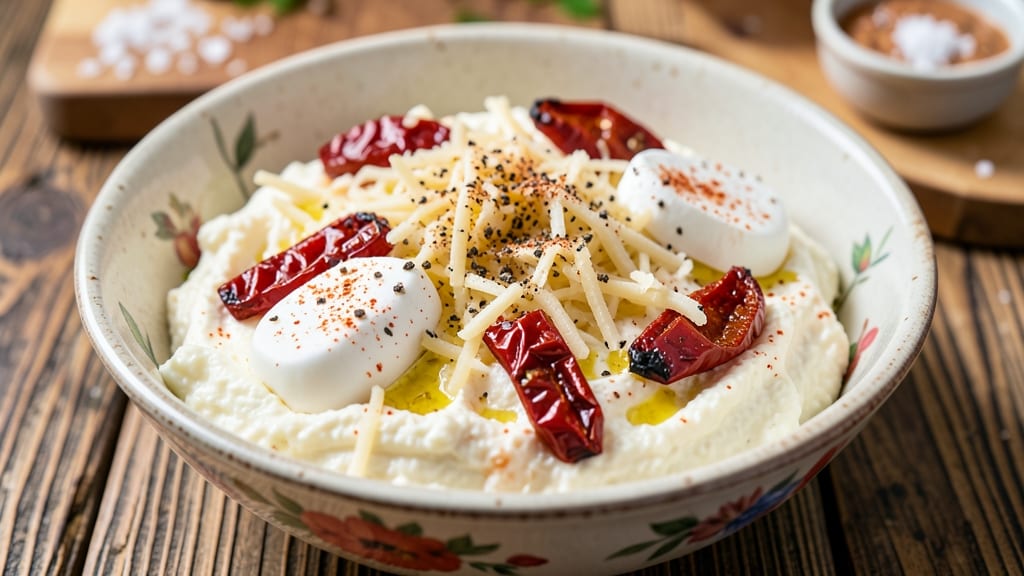
This authentic pimento cheese recipe delivers the bold, smoky-sweet flavor that makes Southern gatherings legendary. Sharp cheddar meets roasted red peppers and just the right kick of cayenne, blended into a creamy, spreadable condiment that's perfect for sandwiches, crackers, or dipping.
I've perfected this version after years of testing—no shortcuts, just the real deal.
The secret lies in the cheese selection: a blend of sharp cheddar and cream cheese creates that signature smooth yet tangy texture. Roasted pimentos add natural sweetness and depth, while black pepper and cayenne bring the heat.
Unlike store-bought versions, this recipe builds flavor layer by layer, ensuring every bite delivers that authentic Southern taste you crave.
What you'll end up with is a velvety, slightly spicy cheese spread that's rich enough to stand alone but balanced enough to complement any dish. The blend stays creamy for days, making it ideal for game day, tailgates, or as a quick appetizer.
This isn't just pimento cheese—it's a taste of tradition in every spoonful.
Ready in just 10 minutes with ingredients you likely already have, this recipe proves authenticity doesn't require complexity. Once you try it, you'll never go back to the store-bought version. Let's get blending!
Ingredients for authentic pimento cheese
Sharp cheddar, creamy textures, and smoky peppers—just eight ingredients transform into Southern tradition.
| Ingredient | Amount | Notes |
|---|---|---|
| Sharp White Cheddar Cheese 🧀 | 8 oz | Block, freshly grated for texture |
| Cream Cheese 🧈 | 4 oz | Full-fat for creaminess |
| Roasted Red Peppers 🍅 | ½ cup | Jarred, drained and chopped |
| Cayenne Pepper 🌶️ | ¼ tsp | Adjust for heat preference |
| Ground Black Pepper 🌶️ | ½ tsp | Freshly ground for best flavor |
| Extra-Virgin Olive Oil 🫒 | 1 tbsp | For smooth blending |
| Dried Mustard 🌿 | ½ tsp | For subtle tang |
| Diamond Crystal Kosher Salt 🧂 | ½ tsp | Fine grain preferred |
The cheddar makes or breaks this. Sharp white cheddar from a block (not pre-shredded) gives that signature tang—Kraft or Colby just won't cut it. I grab mine from the deli counter at Whole Foods or Trader Joe's when it's on sale. The cream cheese needs to be full-fat for that velvety texture—Philadelphia is my go-to. Roasted red peppers? San Marzano brand in the jarred section has the best flavor, but any good-quality jarred peppers work. Look for ones without added oils or preservatives.
No sharp cheddar? Extra-sharp white cheddar or pepper jack can work in a pinch, but the flavor won't be quite the same. Fresh out of cayenne? Red pepper flakes at double the amount gives you heat without the fine texture. The mustard adds depth—Dijon works too—but dried is easier to measure. Olive oil is non-negotiable here; cheap oil makes the spread taste flat. For extra authenticity, add 1/4 tsp smoked paprika to the mix. And if you're feeling fancy, swap half the roasted peppers for pickled jalapeños for a tangy kick.
This keeps beautifully—5-7 days in the fridge sealed tight. The flavor actually improves after the first day as everything melds. For longer storage, portion into small jars or silicone molds and freeze for up to 3 months. I always make double batches because it disappears fast at game day. Pro tip: if it gets too thick, just stir in 1 tsp warm water or a splash of milk. And trust me, the first time you serve this instead of store-bought, you'll never go back.
Why You'll Love This Recipe
- No-Fuss Blend: I just mix the sharp cheddar and cream cheese with a hand mixer—no grating, no waiting. The roasted red peppers add that smoky sweetness with zero extra work.
- Smoky Heat Balance: That cayenne gives it a little kick, but the creamy cheese and roasted peppers smooth it out. It’s the kind of flavor that lingers but doesn’t overwhelm—like a hug from a spice lover.
- Game for Any Gathering: Spread it on crackers for a party snack, stuff it in sandwiches for lunch, or toss it into pasta for dinner. I’ve used it for everything, and it never lets me down.
- Leftovers That Don’t Let You Down: It keeps for days in the fridge, and honestly? The second day is even better. I make a big batch and use it all week—no sad, dried-out cheese here.
Step-by-step instructions for authentic pimento cheese
Here's how to craft this Southern classic with perfect balance and texture every time.
Grate the Sharp White Cheddar Properly
Use a box grater to freshly grate the 8 oz Sharp White Cheddar Cheese—this creates the ideal texture for pimento cheese. I like to use the large holes for a mix of fine and slightly coarse shreds. Avoid pre-shredded cheese; the anti-caking agents make it gummy. As you grate, immediately transfer the cheese to a medium bowl to prevent it from melting from residual heat.
The key here is freshness. The moment you grate the cheese, it starts to soften. Work quickly but carefully, keeping the bowl at room temperature. You'll want the cheese to be cool but not cold when you begin blending—this ensures smooth incorporation later. If your kitchen is warm, refrigerate the cheese block for 10 minutes before grating to maintain better control.
Mix the Cream Cheese and Oils
In the same bowl with the grated cheddar, add the 4 oz Cream Cheese and 1 tbsp Extra-Virgin Olive Oil. Using a wooden spoon, gently fold everything together until the cream cheese melts completely and the mixture becomes uniform. This should take about 2-3 minutes of steady mixing—don't rush it.
Here's the thing—cream cheese can be finicky. If you notice any lumps that won't dissolve, let the mixture sit at room temperature for 1 minute before continuing. The olive oil helps emulsify everything, creating that signature creamy texture that sets authentic pimento cheese apart. The mixture should look like thick, smooth mayonnaise at this stage.
Incorporate the Roasted Red Peppers
Add the 0.5 cup Roasted Red Peppers (drained and chopped) to the cheese mixture. Using a silicone spatula, gently fold them in until evenly distributed. The peppers should be finely chopped—about ¼-inch pieces—to prevent texture inconsistencies. If you're using jarred peppers, drain them thoroughly first; any excess liquid will make your cheese too runny.
This is where the authentic flavor comes through. The roasted peppers add natural sweetness and a subtle smokiness that balances the sharpness of the cheddar. Don't skip the chopping—whole peppers or large chunks will make your cheese uneven. If you prefer a smoother texture, you can pulse the peppers briefly in a food processor before adding them, but I like the slight texture contrast.
Season with Precision
Add the 0.5 tsp Diamond Crystal Kosher Salt, 0.5 tsp Ground Black Pepper, 0.5 tsp Dried Mustard, and 0.25 tsp Cayenne Pepper to the mixture. Using the silicone spatula, fold everything together until completely combined. Taste as you go—this is where you can adjust seasoning. I usually add another pinch of salt and a tiny bit more cayenne if I want extra heat.
The seasoning sequence matters. Start with the salt and mustard first—they form the flavor base. Then add the black pepper for depth, and finish with cayenne for heat. Mix thoroughly but gently to avoid incorporating air bubbles. The final texture should be smooth, spreadable, and just slightly tangy with a hint of smoky sweetness from the roasted peppers.
Chill and Rest for Perfect Texture
Cover the bowl with plastic wrap and refrigerate the pimento cheese for at least 1 hour before serving. This resting period allows all the flavors to meld together and the texture to firm up slightly. If you're in a hurry, you can chill it for 30 minutes, but the longer rest gives you the most authentic, restaurant-quality result.
Here's a pro tip: if your cheese ends up too thick after chilling, simply stir in 1-2 teaspoons of warm water to loosen it. For serving, I like to transfer it to a small serving bowl and garnish with a sprinkle of extra black pepper. This cheese keeps well in the refrigerator for up to 1 week, making it perfect for sandwiches, crackers, or as a dip with veggies.
Pro Tips For Making Authentic Pimento Cheese
- Grate the Cheese Coarse: Sharp white cheddar loses its bite when over-shredded—stop midway and tear the rest into chunks. I used to pulse it in the food processor, and the texture turned mushy. Big, jagged pieces hold up better when mixed and stay sharp on the tongue.
- Drain the Peppers Well: Jarred roasted red peppers hide a ton of liquid, and that’s the last thing you want in your cheese. After chopping, spread them on a paper towel and press with another towel for 5 minutes. Wet peppers make the spread greasy and watery—no one wants that.
- Mix in Stages: Start by folding in the cream cheese first, then the cheddar, and finish with the peppers. Adding everything at once risks melting the cream cheese into a gloppy mess. Work fast but steady—this isn’t a race, and patience keeps the texture smooth.
- Toast the Cayenne: Bloom the cayenne in a dry pan for 10 seconds before mixing it in. It deepens the heat and mellows the sharpness, giving the cheese a slow-building kick instead of an instant burn. Skip this, and you’ll regret it when the first bite stings.
Regional styles of this recipe
Mississippi Delta Style
In the Mississippi Delta, pimento cheese gets a heartier, more rustic twist. Locals often add 1 tbsp of hot sauce (like Crystal or Tabasco) for extra kick and sometimes include 1/4 cup finely chopped pickled okra for a tangy crunch.
The cheese here tends to be slightly thicker—almost like a spreadable dip—perfect for slathering on fried catfish or cornbread. I've seen versions with a touch of Worcestershire sauce too, adding a deep umami note that pairs beautifully with the smoky peppers. 🌶️
Carolina Coast Tradition
Along the Carolina coast, pimento cheese takes on a lighter, almost summery quality. Chefs here often swap some of the sharp cheddar for Colby Jack to mellow the sharpness slightly, and they'll add 1/4 cup finely diced celery for freshness.
The heat level is usually more moderate—just a pinch of cayenne—and they sometimes finish with a drizzle of hot honey before serving. This version shines on shrimp po' boys or as a dip for oyster crackers at beachside gatherings.
Texas Hill Country Twist
In Texas, pimento cheese gets a smoky, almost BBQ-inspired makeover. The key is adding 1/2 tsp smoked paprika and replacing half the roasted red peppers with pickled jalapeños for a tangy heat.
Some recipes even call for a splash of beer (like a pale ale or lager) to blend in with the cheese—this adds a subtle malty depth that works surprisingly well. This version is perfect for brisket sandwiches or as a topping for loaded baked potatoes at tailgates.
Louisiana Creole Fusion
Louisiana brings bold Cajun flavors to pimento cheese by incorporating 1/2 tsp Creole seasoning (like Tony Chachere's) and a dash of filé powder for earthiness. Some versions even include 1/4 cup finely chopped green onions for freshness.
The heat level is usually higher here—sometimes with an extra 1/4 tsp cayenne—and it's often served with crawfish etouffee or as a dip for beignets. The result is a spicy, complex cheese spread that's equal parts creamy and fiery.
Georgia Peach Variation
In Georgia, where peaches reign supreme, pimento cheese gets a sweet-savory makeover. Add 2 tbsp of finely chopped peach preserves to the mix for natural sweetness that balances the sharp cheddar. Some recipes even include 1/4 tsp ground cinnamon for warmth.
This version is perfect for peach cobbler sandwiches or as a dip for apple slices during summer picnics. The peach element makes this a standout for brunch gatherings.
Alabama White Sauce
This isn't technically pimento cheese but rather a cousin called "white sauce." Alabama's version replaces the roasted peppers with 1/2 cup mayonnaise and adds 1/4 cup finely chopped celery and 1 tbsp lemon juice.
The result is a creamy, tangy spread that's perfect for fried chicken sandwiches or as a dip for coleslaw. It's essentially pimento cheese's lighter, brighter sibling—ideal for those who prefer a milder flavor profile.
Nutrition facts
Frequently asked questions
Can I make this pimento cheese without a food processor?
You can blend everything by hand using a sturdy wooden spoon or silicone spatula. Start by grating the cheddar and mixing it with the cream cheese until smooth, then fold in the roasted peppers and seasonings. For best results, chill the mixture for 1 hour to let flavors meld—it'll be slightly thicker but still delicious. The texture will be more rustic but still authentic!
What's the best way to store leftover pimento cheese?
Transfer it to an airtight container and refrigerate for up to 1 week. For longer storage, portion into small jars or silicone molds and freeze for 3 months. When ready to use, thaw overnight in the fridge. Pro tip: If it gets too thick after chilling, stir in 1 tsp warm water or a splash of milk to restore spreadability.
Why does my pimento cheese turn out too runny?
This usually happens from excess liquid (from peppers or cream cheese) or not enough chilling time. Drain jarred peppers thoroughly and use full-fat cream cheese for proper thickness. Always chill for at least 1 hour before serving. If it's still too thin, let it sit at room temperature for 10 minutes to thicken slightly, or add 1 tsp cornstarch mixed with water to stabilize it.
Can I make this dairy-free?
Yes, but with some adjustments. Replace the sharp cheddar with dairy-free sharp cheddar (like Violife) and swap cream cheese for vegan cream cheese (like Kite Hill). Use olive oil instead of dairy-based oils, and add 1 tbsp nutritional yeast for that cheesy depth. The texture will be slightly different but still delicious! The flavor won't be identical, but it's a great alternative.
How spicy should authentic pimento cheese be?
Traditional pimento cheese has a mild to moderate heat from cayenne and black pepper. The recipe calls for ¼ tsp cayenne, which gives a subtle kick without overwhelming the cheese. For extra heat, add ⅛ tsp more cayenne or a pinch of red pepper flakes. Taste as you go—authentic versions balance sharpness, smokiness, and just enough heat to make it interesting, not painful!