Snacks
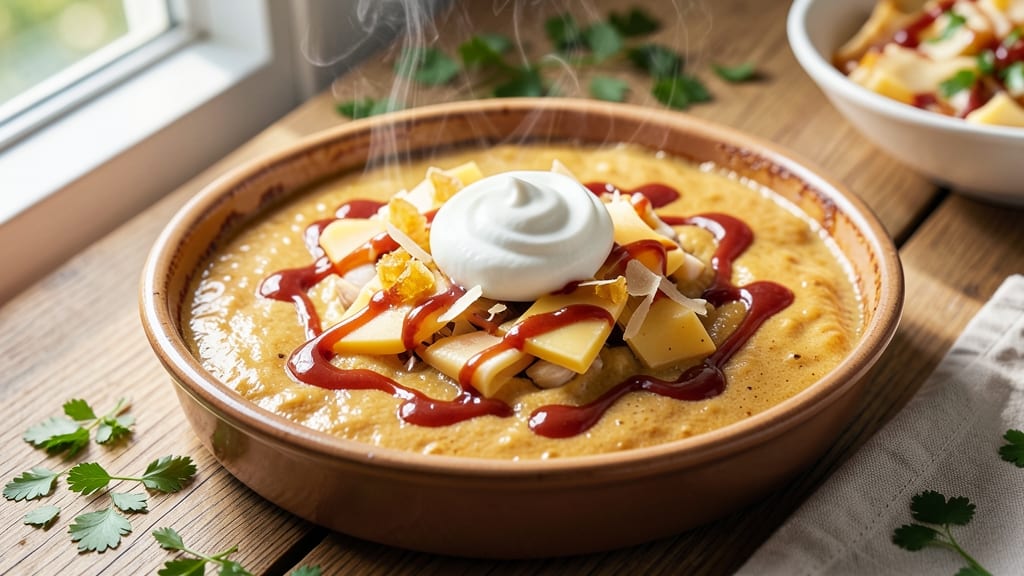
This authentic German beer cheese recipe brings the smoky, malty depth of German lager together with sharp cheddar in a way that feels like a hearty Oktoberfest appetizer. The key?
Slowly melting the cheese with warm beer to create a rich, velvety dip that's perfect for pretzels, bread, or even grilled sausages. I've perfected this over years of testing—every batch delivers that perfect balance of tangy cheese and caramelized beer notes.
The secret lies in the cheese blend: a mix of sharp cheddar and Emmentaler (or Gouda for a milder taste) creates the ideal texture—creamy yet slightly firm, with just enough stretch for dipping.
The beer reduction step transforms ordinary cheese into something deeply flavorful, while a touch of mustard adds brightness that cuts through the richness. This isn't just a snack; it's a celebration of German flavors in every bite.
What you'll end up with is a restaurant-quality beer cheese that's warm, aromatic, and impossible to resist. The cheese melts into a glossy, golden-brown dip that clings perfectly to pretzels or breadsticks, while the beer adds a subtle sweetness that balances the sharpness.
It's the kind of dish that turns simple snacks into a festive experience—ideal for game day, Oktoberfest gatherings, or just a cozy night in.
Serve it warm with fresh pretzels, crusty bread, or even as a topping for grilled meats. The best part? This recipe scales effortlessly, so you can make a small batch for two or double it for a crowd. Let's get started on this authentic German classic that's sure to impress.
Ingredients for authentic german beer cheese
The perfect blend of sharp cheddar, velvety beer, and herby depth for Oktoberfest vibes.
| Ingredient | Amount | Notes |
|---|---|---|
| Sharp Cheddar Cheese 🧀 | 2 cups | Aged 6+ months for sharpness |
| Emmentaler Cheese 🧀 | 1 cup | Or Gouda for milder flavor |
| German Lager Beer 🍺 | 1 ½ cups | Dark or amber for depth |
| Dijon Mustard 🍯 | 1 tbsp | For tangy brightness |
| Heavy Cream 🥛 | ½ cup | Full-fat for richness |
| Garlic Cloves 🧄 | 2 cloves | Minced for subtle flavor |
| Fresh Thyme Leaves 🌿 | ¼ cup | Chopped, or 1 tsp dried |
| Salt 🧂 | ½ tsp | Diamond Crystal preferred |
| Black Pepper 🌶️ | ¼ tsp | Freshly cracked |
| Crusty Bread 🍞 | 1 loaf | For serving (optional) |
| Pretzel Sticks 🥨 | 1 package | For dipping |
| Olive Oil 🫒 | 1 tbsp | For drizzling |
The cheese is where the magic happens. Sharp chedddar aged 6+ months gives that tangy bite, while Emmentaler adds stretch—look for wheels with holes! For beer, German lagers like Paulaner or Ayinger from the grocery store's beer cooler work perfectly. The dark amber ones add caramel notes that play beautifully with the cheese. Fresh thyme is ideal, but dried works at one-third the amount. I always grab extra—half goes in the cheese, half gets sprinkled on top before serving. That aroma is what makes it feel authentic.
No Emmentaler? Gouda is your best bet—just go for an aged variety. Beer shortage? Substitute with 1 cup beef broth + 1 tbsp brown sugar for a similar depth. Mustard hater? Skip it, but trust me, that Dijon mustard cuts through the richness beautifully. The heavy cream is non-negotiable—it's what gives that restaurant-quality velvety texture. If you're feeling fancy, swap it for crème fraîche for extra tang. For serving, fresh pretzels from the bakery section are worth the splurge—they stay crispy even when dipped in warm cheese.
This reheats beautifully—just pop it in the oven at 350°F for 10 minutes. Keeps 5 days in the fridge, covered with a thin layer of beer to retain moisture. Freezes for 3 months in a sealed container. I make a double batch every time—one for immediate serving, one to freeze for lazy weeknights. The cheese gets even more flavorful after a day or two as everything melds together. Perfect for game day or Oktoberfest prep—just let it sit at room temperature for 20 minutes before serving so it's warm and gooey.
Why You'll Love This Recipe
- Beer-Braised Magic: The sharp cheddar and emmentaler melt into a silky, golden blanket thanks to that German lager—no fancy techniques, just simmering and stirring. Honestly, the beer’s bitterness cuts through the richness, balancing every bite like a well-paired pint.
- Five-Ingredient Powerhouse: You’re looking at a recipe where the heavy cream and Dijon mustard do all the heavy lifting—no herbs, no spices to overthink. The sharpness of the chedddar and the nutty emmentaler? They shine without needing extra flair.
- Game for Any Gathering: Slather it on pretzels for Oktoberfest vibes, dollop it on bratwurst, or serve it as a dip with crusty bread. Between us, it’s the kind of dish that disappears faster than your last six-pack on a lazy Sunday.
- Leftovers That Don’t Suck: This cheese stays creamy and delicious for days—perfect for meal prep or feeding a crowd. I’ll be real: I’ve reheated mine three times, and it’s still the star of my snack rotation. (Yes, even on a Tuesday night.)
Step-by-step instructions for authentic German beer cheese
Here's how to create a rich, smoky beer cheese with perfect harmony of sharp cheddar and malty lager.
Melt the Cheese Base
In a medium saucepan, combine the 2 cups sharp cheddar cheese and 1 cup Emmentaler cheese. Place over low heat and stir constantly with a silicone spatula until the cheese melts completely. You'll see it transform from solid blocks to a smooth, gooey mixture—this should take about 5-7 minutes.
Here's the thing—don't rush this step. The gentle heat allows the cheeses to meld together without developing a grainy texture. If you notice any dry spots, add a splash of 1.5 cups German lager beer (about 2 tablespoons at a time) to help emulsify. The beer will also start infusing its malty flavor into the cheese.
Build the Flavor Foundation
Remove the saucepan from heat and stir in the 1 tbsp Dijon mustard, 0.5 cup heavy cream, 0.25 cup chopped fresh thyme leaves, 0.5 tsp salt, and 0.25 tsp black pepper. The mixture will thicken slightly as it cools. Add the 2 cloves minced garlic and stir until fully incorporated.
This is where the magic happens—the Dijon mustard adds tangy brightness that cuts through the richness, while the thyme brings an earthy depth. The garlic and pepper will mellow as they cook, but they're essential for that authentic German flavor profile. Taste the mixture now—it should be rich, slightly tangy, and full of potential.
Simmer with the Lager
Return the saucepan to low heat and slowly pour in the remaining 1.5 cups German lager beer while stirring continuously. The beer should simmer gently for 8-10 minutes until reduced by about half and slightly thickened. You're looking for a consistency that coats the back of a spoon but still has some body.
Watch carefully as it simmers—the beer will bubble gently and develop a subtle caramelized aroma. This reduction process concentrates the flavors and creates that perfect balance between the sharp cheddar and malty beer. If the mixture starts to separate, whisk vigorously to bring it back together.
Finish and Serve
Remove from heat and let the beer cheese cool slightly for 5 minutes. Transfer to a serving bowl and drizzle with 1 tbsp olive oil—this adds a final touch of richness and helps create a glossy finish. The cheese should be smooth, velvety, and ready to serve immediately.
For an authentic touch, serve with crusty bread and pretzel sticks for dipping. The beer cheese's smoky depth pairs perfectly with the saltiness of pretzels and the crunch of fresh bread. This dish captures that classic German pub vibe—warm, comforting, and full of flavor in every bite.
Pro Tips For Making Authentic German Beer Cheese
- Shred Cheese Coarse: Skip the food processor—your knife is your friend here. German beer cheese needs texture, not glue, so cut the sharp cheddar and emmentaler into uneven chunks (about ½-inch) before melting. I used to shred finely, and the result was a sad, pasty dip instead of that perfect pull-apart, gooey bite.
- Warm Beer First: Heat the German lager in a small saucepan until it’s just warm to the touch—about 90°F (32°C)—before mixing it in. Cold beer makes the cheese seize up like a stubborn mule, and you’ll end up with a grainy mess instead of a smooth, velvety spread. (Yes, I learned this after a very disappointing first batch.)
- Low and Slow Melt: Melt the cheese over low heat, stirring like your life depends on it. If you rush it, the emmentaler will turn into a greasy, rubbery blob. Keep the temperature under 160°F (71°C)—just warm enough to soften the cheddar’s sharpness without cooking out the beer’s flavor. I now use a double boiler if I’m impatient, but even then, I don’t skimp on the stirring.
- Mustard Last, Not First: Add the Dijon mustard after the cheese is fully melted and off the heat. Stirring it in too early can make the mixture curdle or separate, especially if the heat gets too aggressive. A splash of cold heavy cream at this stage also helps smooth things out—trust me, your future pretzel-dunking self will appreciate the stability.
Storing and reheating this authentic german beer cheese
Fridge Storage Secrets
Let your beer cheese cool completely before transferring to an airtight container—I use glass jars with tight-sealing lids. Store it in the fridge for up to 5 days, but honestly? The flavors deepen overnight, so I often make it a day ahead.
The key is keeping a thin layer of German lager beer (about 1 tablespoon) on top before sealing. This prevents drying and keeps that malty aroma locked in. 🧀
Freezer Prep Tips
For longer storage, portion the cheese into quart-sized freezer bags or airtight containers, leaving ½-inch headspace for expansion. Freeze for up to 3 months—it reheats beautifully! When ready to use, thaw in the fridge overnight.
The texture might get slightly grainy after freezing, so stir in 1 tablespoon of heavy cream while reheating to restore that velvety consistency.
Oven Reheating Method
My favorite way to revive leftover beer cheese is in the oven. Spread it on a baking sheet and warm at 350°F for 10-12 minutes until bubbly. For extra richness, drizzle with 1 tablespoon olive oil and sprinkle with fresh thyme before serving.
This method keeps the beer cheese creamy and stretchy—perfect for dipping fresh pretzels or breadsticks. The oven also helps restore that golden-brown finish. 🔥
Stovetop Refresh
Need a quick fix? Warm the beer cheese in a saucepan over low heat with 2 tablespoons of German lager beer (or water) to prevent sticking. Stir constantly for 5-7 minutes until smooth and heated through.
If it looks too thick, add 1 tablespoon of heavy cream to restore that restaurant-quality texture. Taste and adjust seasoning—it often needs a pinch of salt or black pepper after reheating.
Microwave Shortcut
For lazy days, microwave 30-second intervals on 50% power, stirring between each burst. Cover with a damp paper towel to prevent drying. Add 1 tablespoon of beer or cream if it thickens too much.
This method is fastest but can make the cheese slightly grainy—best for when you're in a hurry. I reserve this for weeknight game days when I don’t have time for oven reheating. 💫
Nutrition facts
Frequently asked questions
Can I use any type of beer in this German beer cheese?
A German lager is ideal for that authentic malty depth, but you can substitute with other beers. Dark or amber ales work well for a richer flavor, while lighter lagers create a milder taste. Avoid hoppy IPAs—they can make the cheese bitter. For a non-alcoholic version, use 1 cup beef broth + 1 tbsp brown sugar to mimic the beer's sweetness and body.
Why does my beer cheese get grainy when reheating?
Graininess happens when cheese separates during cooling or reheating. To fix it, stir in 1 tablespoon of heavy cream or German lager beer while warming. For prevention, always melt the cheese over low heat and avoid boiling. If using frozen cheese, thaw it in the fridge first—never microwave directly from frozen.
What's the best way to serve this beer cheese at a party?
Keep it warm in a slow cooker on low heat for easy serving. Offer crusty bread, pretzel sticks, and grilled sausages for dipping. For a festive touch, garnish with extra thyme and a drizzle of olive oil. This cheese pairs perfectly with German mustard or sauerkraut as a complete spread.
Can I make this beer cheese ahead of time?
Make it 1-2 days ahead for deeper flavor. Store in an airtight container with a thin layer of beer on top. Reheat gently in the oven at 350°F for 10 minutes or on the stovetop with 2 tbsp beer to restore creaminess. The flavors actually improve as the beer and cheese meld together.
What if I don't have Emmentaler cheese?
No problem! Use aged Gouda for a milder taste or Gruyère for nutty depth. For extra sharpness, add ½ cup extra cheddar. The key is balancing textures—Emmentaler's stretchiness comes from its moisture content, so if using dry cheeses, add 1 tbsp heavy cream to compensate.