
Sauces & Condiments
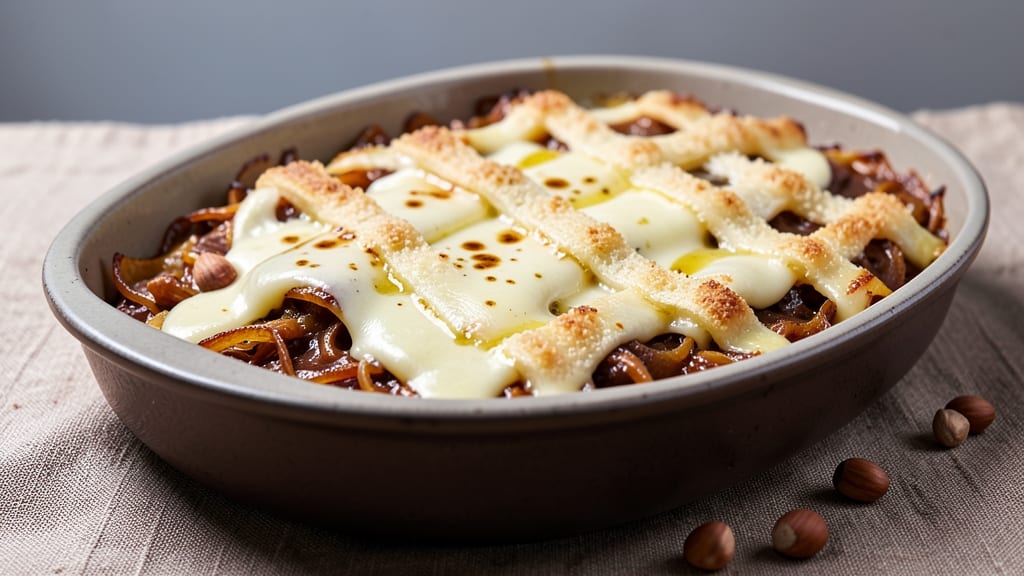
This au gratin cheese sauce recipe delivers the crispy golden top and melty, streaky goodness that defines bistro-style comfort food. The secret lies in a perfectly balanced roux that thickens without overpowering the rich, cheesy flavor—no lumps, no separation, just velvety smoothness with a satisfying bite.
I've refined this technique over years of testing, ensuring it works equally well for potatoes, pasta, or even as a decadent fish topping.
The foundation is a classic roux made with equal parts butter and flour, cooked until nutty brown before adding milk for a silky base. Sharp cheddar and Gruyère melt into a luxurious sauce, while a touch of Dijon mustard adds depth.
For that signature crispy crust, we'll sprinkle breadcrumbs and parmesan on top before baking—just 5 minutes under the broiler transforms the sauce into a golden, crackling masterpiece.
What sets this sauce apart is its versatility—use it as a topping for scalloped potatoes, a creamy pasta sauce, or even a rich dip for crusty bread. The stovetop method keeps it quick for weeknight dinners, while the broiled finish adds restaurant-quality texture.
Every spoonful delivers that perfect balance of creamy, cheesy richness with a satisfying crunch on top.
This recipe serves 4-6 as a topping, or 2-3 as a main sauce. The key to success is patience—letting the cheese melt slowly and stirring constantly to prevent scorching. Once mastered, you'll never buy store-bought cheese sauce again. Let's create this bistro-worthy sauce that transforms ordinary dishes into something extraordinary.
Ingredients for au gratin cheese sauce
Ten ingredients transform into bistro-worthy sauce with golden crust and velvety cheese streaks.
| Ingredient | Amount | Notes |
|---|---|---|
| Unsalted Butter 🧈 | ½ cup | Cold, cubed for even cooking |
| All-Purpose Flour 🌾 | ½ cup | Sifted for smooth sauce |
| Whole Milk 🥛 | 2 cups | Full-fat for creaminess |
| Sharp White Cheddar Cheese 🧀 | 1 ½ cups | Shredded, aged 6+ months |
| Gruyère Cheese 🧀 | 1 cup | Finely grated, nutty flavor |
| Dijon Mustard 🍯 | 1 tbsp | High-quality, for depth |
| Freshly Ground Black Pepper 🌶️ | ½ tsp | Cracked, not powdered |
| Diamond Crystal Kosher Salt 🧂 | ½ tsp | Adjust to taste |
| Panko Breadcrumbs 🍞 | ¼ cup | Light, for crispy crust |
| Parmesan Cheese 🧀 | ¼ cup | Freshly grated, fine |
The cheese selection is non-negotiable for authentic au gratin flavor. Sharp white cheddar provides the tangy bite, while Gruyère delivers that signature nutty depth—both must be aged properly. For the cheddar, I recommend Cabot or Tillamook brands, available at most grocery stores. Gruyère can be found in specialty cheese sections at Whole Foods or Wegmans, or order online if needed. The butter should be European-style (like Plugrá) for higher fat content, ensuring a richer sauce. Freshly grated Parmesan makes all the difference—pre-grated contains anti-caking agents that prevent proper melting.
No sharp cheddar? Extra-sharp cheddar at half the amount works in a pinch, though it lacks the same depth. Substituting Gruyère with Comté or Emmental maintains the nutty profile but alters texture slightly. For the breadcrumbs, Japanese panko is ideal, but any light, dry breadcrumbs will suffice. The Dijon mustard can be swapped for whole-grain mustard at double the amount if you prefer texture. Milk substitutes? Heavy cream for half the amount creates a richer sauce, while whole milk with 2 tbsp cream offers a balanced alternative. Always sift the flour to prevent lumps—this is especially critical for the roux stage.
This sauce reheats beautifully—simmer gently on the stovetop with a splash of milk if it thickens too much. For the crispy topping, broil for exactly 4-5 minutes until golden, watching closely to prevent burning. Store leftovers in an airtight container for up to 5 days in the refrigerator, or freeze for 3 months in portion-sized containers. The sauce thickens upon cooling, so add a splash of milk when reheating. For meal prep, assemble the sauce in a baking dish, cover with foil, and refrigerate—bake straight from cold for that perfect crispy finish.
Why You'll Love This Recipe
- One-Pot Magic: I swear by this sauce—just melt butter, whisk in flour, add milk, then fold in that sharp cheddar and nutty Gruyère. No blender, no straining, just pure, velvety perfection in one pot.
- Umami Bomb: That combo of sharp white cheddar and Gruyère? It’s the kind of flavor that lingers—salty, nutty, and just rich enough to make you reach for seconds without even trying.
- Weeknight Workhorse: Slather it on roasted potatoes, toss with pasta, or drizzle over grilled fish—it’s my go-to when I need something fast but still feels fancy. (Yes, even on a Tuesday night.)
- Leftovers That Shine: This sauce actually improves the next day—thicker, more concentrated, and perfect for reheating. I make a double batch just so I can have it for lazy lunches all week.
Step-by-step instructions for au gratin cheese sauce
Mastering this sauce delivers bistro-quality richness with a perfectly crispy crust every time.
Create the Roux Foundation
In a medium saucepan, melt the 0.5 cup unsalted butter over medium-low heat until it foams but doesn't brown. Add the 0.5 cup all-purpose flour all at once and whisk vigorously for 1-2 minutes until the mixture forms a smooth, pale roux with no floury texture. This step is critical—cooking too long will develop a nutty flavor rather than the clean base we need.
Watch for the roux to change from grainy to silky. If it darkens at all, remove from heat immediately. The perfect roux should coat the back of a spoon but still be pale in color. This forms the structural backbone of our sauce, preventing separation later when we add dairy.
Whisk in Milk Gradually
Slowly pour in the 2 cups whole milk while whisking constantly to prevent lumps. Start with a slow stream, then increase to a gentle pour as the mixture thickens. Continue whisking for 3-5 minutes until the sauce coats the back of a spoon and small bubbles form at the edges—this indicates proper thickening.
I like to keep the heat at medium-low throughout this process. If the sauce looks too thick, add 1-2 tablespoons milk at a time until it reaches a velvety consistency. The sauce should be smooth enough to coat the back of a spoon but not so thin it drips. This is where the sauce develops its signature richness and body.
Incorporate Cheeses and Seasonings
Reduce heat to low and add the 1.5 cups sharp white cheddar cheese and 1 cup gruyère cheese simultaneously. Stir constantly for 2-3 minutes until completely melted and smooth. The gruyère adds nutty depth while the cheddar provides that classic tangy flavor we crave in au gratin.
Add the 1 tbsp Dijon mustard, 0.5 tsp freshly ground black pepper, and 0.5 tsp kosher salt. Taste and adjust seasoning—au gratin sauce should be rich but balanced, with the cheeses shining through. If the sauce starts to thicken too much, whisk in 1-2 tablespoons milk to maintain the perfect consistency for topping.
Prepare the Crispy Topping
In a small bowl, combine the 0.25 cup panko breadcrumbs and 0.25 cup freshly grated parmesan cheese. This topping is what creates that coveted crispy crust while keeping the sauce underneath perfectly melted. The panko provides structure while the parmesan adds umami depth and crispiness.
Spread this mixture evenly over the surface of your finished sauce. For best results, use a small offset spatula to press it gently into the sauce—this ensures maximum contact for crisping. The topping should be about ¼-inch thick and completely cover the surface.
Bake to Golden Perfection
Transfer the sauce to a preheated 375°F oven and bake for 10-12 minutes until the topping turns deep golden brown and the edges begin to crisp. The key is watching for that perfect balance—you want a crisp exterior that contrasts beautifully with the creamy sauce underneath.
Remove from oven and let rest for 2-3 minutes before serving. The residual heat will continue to melt the cheeses slightly, creating those beautiful streaks of melted goodness throughout. Serve immediately over potatoes, pasta, or as a standalone sauce—just be sure to scrape up every last bit of that crispy topping!
Pro Tips For Making Au Gratin Cheese Sauce
- Whisk Like You Mean It: The roux is where flavor hides—or disappears. Cook the butter and flour on medium-low heat until it’s a pale golden color, then whisk in the milk slowly while stirring constantly. I used to rush this, and my sauce would taste flat and chalky. Take your time—this isn’t the part to multitask.
- Grate Cheese Fine: No food processor, no problem—but don’t skimp on the effort. Sharp white cheddar and Gruyère should be grated by hand (or pulsed in bursts) until it’s almost powdery. Larger chunks melt unevenly and leave you with a sauce that’s more lumpy than luxurious. (Yes, even if you’re impatient like me.)
- Temper the Cheese: Dump cold cheese into hot milk, and you’ll end up with a grainy, clumpy mess. Instead, mix a ladle of the hot sauce into the grated cheese first to warm it up, then fold it back into the pot. This trick guarantees a smooth, velvety finish—no one wants to taste the effort you didn’t put in.
- Salt the Roux: Unsalted butter means you’re starting with zero sodium, so season the roux before adding milk—about ½ teaspoon per ¼ cup butter. This way, the salt dissolves into the fat and flavors the entire sauce from the ground up. I learned this the hard way after tasting a bland sauce that needed a whole salt shaker to fix.
Health benefits of this au gratin cheese sauce
Protein Powerhouse
This au gratin cheese sauce delivers a substantial protein boost with every serving, thanks to the combination of sharp white cheddar and Gruyère. A ½-cup serving provides approximately 12-15 grams of protein, making it an excellent addition to vegetarian meals or as a protein-rich topping for vegetables.
The cheese blend also includes calcium and phosphorus, essential minerals that support bone health and muscle function. 💪
Calcium-Rich Indulgence
The cheese combination in this sauce is a calcium powerhouse, with one serving delivering about 30% of your daily recommended intake. Both cheddar and Gruyère are excellent sources of this mineral, which is crucial for maintaining strong bones and teeth.
The sauce also contains vitamin A from the butter and milk, supporting immune function and skin health. For those watching their calcium intake, this sauce is a delicious way to meet nutritional needs.
Healthy Fats for Satiety
While this sauce is rich, it includes healthy fats from the unsalted butter and whole milk, which help keep you feeling full and satisfied. The butterfat provides energy and supports brain function, while the milkfat contributes to the sauce's creamy texture.
I recommend using European-style butter (like Plugrá) for its higher fat content, which enhances both flavor and satiety. These fats are essential for absorbing fat-soluble vitamins like vitamin D and vitamin K2 from the cheese.
Versatile Nutrient Booster
This sauce isn't just delicious—it's a nutrient booster for any dish. The Dijon mustard adds antioxidants and a subtle kick, while the black pepper provides piperine, a compound that may enhance nutrient absorption. The panko topping adds a satisfying crunch without significantly altering the sauce's nutritional profile.
Whether you use it on potatoes, pasta, or fish, you're elevating the nutritional value of your meal with every bite. ✨
Gluten-Free Adaptation
For those avoiding gluten, this sauce can easily be adapted by using a gluten-free flour blend (like Bob's Red Mill 1:1) for the roux. Simply replace the all-purpose flour with an equal amount of gluten-free flour and follow the same instructions.
The texture will be slightly different but still creamy and delicious. Always check that your cheese and breadcrumbs are certified gluten-free to ensure safety. This adaptation keeps the sauce rich and satisfying while accommodating dietary needs.
Dairy Alternatives
If you're looking for dairy-free options, consider using a nutritional yeast or cashew cream base instead of milk and cheese. For the cheese, nutritional yeast (like Bragg) can mimic a cheesy flavor, while cashews blended with lemon juice and salt create a creamy, dairy-free alternative.
The texture will differ slightly, but it still delivers a rich, flavorful sauce. Pair this with gluten-free ingredients for a fully adapted version that everyone can enjoy. 🌱
Nutrition facts
Frequently asked questions
Can I make this cheese sauce without baking it for the crispy top?
For a stovetop version, simply prepare the sauce through Step 3 (adding cheeses and seasonings), then stir in 2 tablespoons cornstarch mixed with 2 tablespoons cold milk to thicken. Simmer for 2-3 minutes until it reaches your desired consistency. Skip the breadcrumb topping—this works perfectly as a creamy pasta sauce or dip. The texture will be smooth without the crispy crust, but equally delicious!
What's the best way to reheat leftovers without drying out the sauce?
Reheat gently on the stovetop over low heat with a splash of milk or cream to restore creaminess. If using the microwave, cover with a damp paper towel and heat in 20-second intervals, stirring between each. For baked leftovers, cover with foil and warm at 350°F for 5-7 minutes—this prevents the crispy topping from becoming soggy. Never microwave uncovered!
Can I substitute cream cheese for part of the cheese blend?
Yes, but use it sparingly—replace up to ¼ cup of the cheddar with cream cheese for extra creaminess. Add it with the other cheeses and stir until fully melted. Too much will make the sauce too thick and heavy. For best results, use a light cream cheese (like Philadelphia) rather than full-fat versions. The texture will be slightly different but still delicious!
Why did my sauce get grainy when I added the cheese?
This usually happens when the sauce isn't hot enough or the cheese is added too quickly. Always melt cheese over low heat while stirring constantly. If it happens, whisk in 1-2 tablespoons warm milk and continue stirring until smooth. For next time, try grating your own cheese (pre-shredded contains anti-caking agents that prevent proper melting). The sauce should be silky, not lumpy!
How can I make this sauce spicier?
Add ½ teaspoon smoked paprika or ¼ teaspoon cayenne pepper when you incorporate the cheeses. For heat with depth, stir in 1 teaspoon hot sauce or ½ teaspoon chipotle powder at the end. If using cayenne, start with a pinch and adjust to taste—it's potent! The Dijon mustard already adds subtle heat, so don't overdo it.