
Appetizers
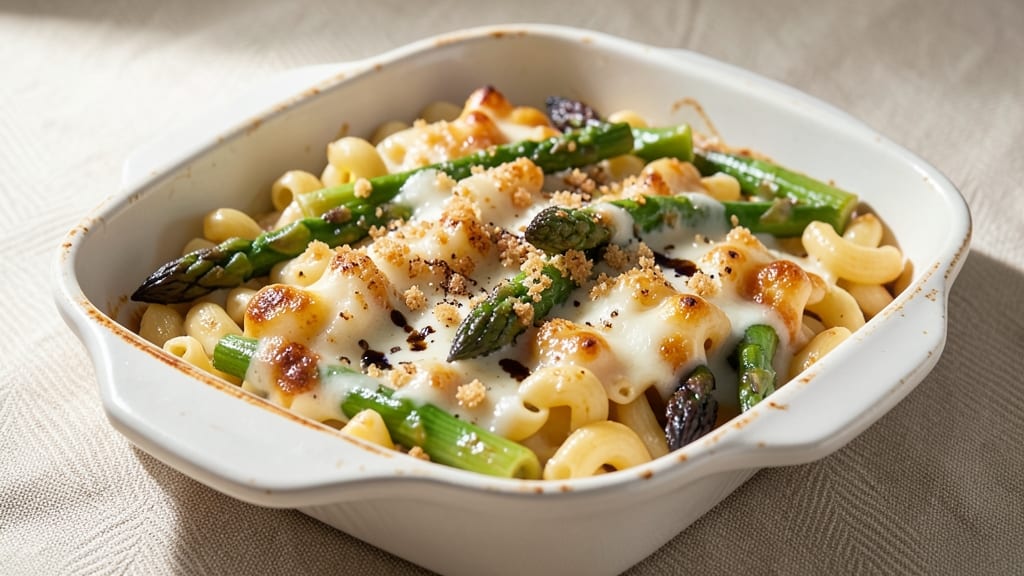
This asparagus mac and cheese recipe transforms a classic comfort food into something unexpectedly elegant—where tender asparagus spears become the star of a triple-cream sauce that clings to every al dente noodle.
The secret lies in roasting the asparagus first, which concentrates its natural sweetness and adds a subtle char that elevates the dish beyond ordinary mac and cheese. I developed this recipe after realizing how often fresh spring vegetables get overlooked in heavy casseroles, and the result?
A dish that feels both indulgent and refined, perfect for impressing guests without sacrificing ease.
The foundation of this recipe is a rich, velvety cheese sauce made with sharp cheddar, Gruyère, and cream cheese for depth and creaminess, all blended until silky smooth.
While the pasta cooks, the asparagus roasts until tender-crisp, then gets finely chopped and folded into the sauce for bursts of bright, earthy flavor. The key technique here is timing—adding the asparagus at the right moment ensures it stays vibrant and tender, not soggy.
This isn’t your childhood mac and cheese; it’s a grown-up twist that balances hearty comfort with sophisticated flavors.
What you’ll end up with is a golden, bubbling mac and cheese where every bite delivers creamy sauce, al dente pasta, and tender asparagus in perfect harmony. The sauce is thick enough to coat the noodles generously but light enough to let the asparagus shine through.
Topped with a sprinkle of toasted breadcrumbs or fresh herbs, this dish becomes a showstopper—ideal for spring dinners, potlucks, or even a weeknight upgrade. The best part? It comes together in one pot, making it as practical as it is impressive.
For extra flair, I recommend finishing with a drizzle of truffle oil or a dusting of smoked paprika, but even without garnishes, the flavors are undeniably rich.
This recipe proves that mac and cheese isn’t just a side dish—it’s a main event when given the right ingredients and a little creativity. Let’s get cooking!
Ingredients for asparagus mac and cheese
Roasted asparagus and triple-cream cheese transform classic mac and cheese into a springtime masterpiece.
| Ingredient | Amount | Notes |
|---|---|---|
| Fresh Asparagus Spears 🥬 | 1 ½ lb | Trimmed, medium thickness |
| Elbow Macaroni 🍝 | 12 oz | Dry, al dente preferred |
| Sharp White Cheddar Cheese 🧀 | 4 oz | Shredded, aged 6+ months |
| Gruyère Cheese 🧀 | 4 oz | Shredded, nutty flavor |
| Cream Cheese 🧈 | 8 oz | Full-fat, room temperature |
| Heavy Whipping Cream 🥛 | 1 cup | Full-fat, cold |
| Unsalted Butter 🧈 | 4 tbsp | European-style preferred |
| Extra-Virgin Olive Oil 🫒 | 2 tbsp | For roasting asparagus |
| Fresh Garlic Cloves 🧄 | 3 cloves | Minced, aromatic |
| Diamond Crystal Kosher Salt 🧂 | 1 ½ tsp | For seasoning |
| Freshly Ground Black Pepper 🌶️ | ½ tsp | Coarsely cracked |
| Fresh Lemon Juice 🍋 | 1 tbsp | Brightens flavors |
| Panko Breadcrumbs 🍞 | ¼ cup | Toasted, for garnish |
| Fresh Chives 🌿 | 2 tbsp | Chopped, for garnish |
| Truffle Oil 🫒 | 1 tsp | Optional, for finishing |
The asparagus is non-negotiable—look for bright green, firm spears with tightly closed tips at Whole Foods or your local farmers' market. Trader Joe's has the best pre-trimmed bundles if you're short on time. Gruyère is the secret weapon here; Cowgirl Creamery or Murray's Cheese brands deliver that nutty depth. For the breadcrumbs, panko toasts to perfect crispness—don't use regular breadcrumbs. The lemon juice might seem odd, but it brightens the rich cheese and balances the earthiness of the asparagus. If you can't find Gruyère, Parmesan works in a pinch for a sharper bite.
No Gruyère? Substitute with extra sharp cheddar plus 1 oz of white cheddar for creaminess. The heavy cream can be swapped for half-and-half if you're watching fat, though you'll lose that velvety texture. Fresh asparagus unavailable? Frozen asparagus works—just thaw and pat dry before roasting. For the garlic, jarred minced is fine, but fresh minced has 10x the flavor. The truffle oil is optional but absolutely essential for that restaurant-quality finish. If you skip it, a pinch of smoked paprika adds depth without breaking the bank.
Roast the asparagus immediately—it keeps best no longer than 2 days in the fridge, wrapped in damp paper towels. The shredded cheeses stay fresh for up to 1 week in airtight containers. This dish reheats beautifully—just add a splash of milk or cream to restore creaminess. For meal prep, portion into individual ramekins before baking. Leftovers freeze for up to 3 months—just thaw overnight in the fridge before reheating. The breadcrumbs toast best fresh, but you can make a batch ahead and store in an airtight container for up to 1 week.
Why You'll Love This Recipe
- I swear by this trick: boil the pasta in the same pot you’ll melt the cheeses. No extra dishes, no fuss. Just dump, stir, and let the Gruyère and sharp cheddar turn that water into liquid gold.
- One-Pot Magic: I swear by this trick: boil the pasta in the same pot you’ll melt the cheeses. No extra dishes, no fuss. Just dump, stir, and let the Gruyère and sharp cheddar turn that water into liquid gold.
- Spring’s Secret Weapon: Honestly, asparagus in mac and cheese sounds weird until you try it. The spears add a bright, crisp bite that cuts through the cream cheese richness—like a fresh spring breeze in every forkful.
- Leftovers That Don’t Suck: Between us, most mac and cheese turns into a sad, gluey mess the next day. Not this one. The asparagus stays tender, the cheese stays creamy, and I’ve reheated this for lunch three times without judgment.
Step-by-step instructions for asparagus mac and cheese
This creamy, triple-cheese mac and cheese gets an elegant upgrade with roasted asparagus and a luxurious sauce.
🍳 Step 1: Roast the Asparagus Until Tender-Crisp
Preheat your oven to 425°F. Trim the tough ends from the 1.5 lb fresh asparagus spears, leaving the medium-thickness stalks intact. Toss them with 2 tbsp extra-virgin olive oil, 0.5 tsp freshly ground black pepper, and 0.5 tsp diamond crystal kosher salt until evenly coated.
Spread the asparagus in a single layer on a rimmed baking sheet. Roast for 12-15 minutes until the tips are deep green and slightly charred while the stalks remain bright green and tender-crisp. Remove from the oven and set aside—their vibrant color and crisp texture will elevate the dish.
🍳 Step 2: Cook the Elbow Macaroni to Al Dente Perfection
While the asparagus roasts, bring a large pot of water to a rolling boil. Add 12 oz elbow macaroni and 1.5 tsp diamond crystal kosher salt, stirring to prevent sticking. Cook for 1 minute less than the package directions—you want al dente pasta that finishes cooking in the sauce.
Reserve 1 cup of pasta water before draining, as it contains starch that will help create the creamy sauce. Drain the pasta and return it to the pot, tossing with 1 tbsp fresh lemon juice to brighten the flavor and prevent the cheese sauce from curdling.
🍲 Step 3: Build the Triple-Cream Cheese Sauce
In a large, deep skillet, melt 4 tbsp unsalted butter over medium heat until foaming. Add the 3 minced garlic cloves and cook for 30 seconds until fragrant—don’t let them brown or they’ll turn bitter. Reduce heat to low and whisk in 8 oz cream cheese until completely melted and smooth.
Gradually whisk in the 1 cup heavy whipping cream and 4 oz shredded sharp white cheddar cheese and 4 oz shredded gruyère cheese until fully incorporated. The sauce should be velvety and thick enough to coat the back of a spoon. If it’s too thick, add 2-3 tablespoons of reserved pasta water to loosen it.
🥘 Step 4: Combine and Finish with Roasted Asparagus
Add the cooked pasta to the skillet and toss gently to coat evenly in the cheese sauce. Stir in the roasted asparagus and let the mixture simmer together for 2-3 minutes until everything is heated through and the asparagus is bright green and tender. Taste and adjust seasoning with additional salt or pepper if needed.
For an extra touch of luxury, drizzle with 1 tsp truffle oil and garnish with 2 tbsp chopped fresh chives and 0.25 cup toasted panko breadcrumbs. Serve immediately while the sauce is warm and creamy, and the asparagus retains its vibrant color and crisp texture.
Pro Tips For Making Asparagus Mac And Cheese
- Trim Asparagus Properly: Snap off the woody ends by bending each spear until it breaks—don’t cut. The break point is where the asparagus is naturally tender. I used to slice them, and half the stalk always ended up mushy in the sauce.
- Toast Macaroni in Butter: Cook the elbows dry for 2 minutes in a skillet with 1 tablespoon of butter before adding sauce. This adds texture and prevents the pasta from turning into a mushy blob. Yes, it’s an extra step—but the difference is noticeable.
- Shred Cheese Coarsely: Skip the food processor for sharp cheddar and Gruyère—hand-shred for uneven pieces that melt better. Cream cheese should be cut into chunks, not blended smooth. I learned this after my first batch turned into a greasy, clumpy mess.
- Simmer Sauce Low and Slow: Once the cheese is melted, reduce heat to the lowest setting and stir constantly for 5 minutes. This prevents scorching and lets the asparagus (added last) stay crisp-tender, not soggy. High heat = ruined texture.
Troubleshooting your asparagus mac and cheese
Sauce Too Thick?
If your cheese sauce feels too thick after combining all ingredients, don’t panic—this is easily fixed. Add 1-2 tablespoons of reserved pasta water at a time while whisking continuously. The starch in the pasta water acts as a natural thickener, but too much can make the sauce gluey.
I usually add 1 tbsp first, stir for 30 seconds, then add another if needed. The sauce should coat the back of a spoon but still flow smoothly. 💡
Asparagus Turning Mushy?
The key to keeping asparagus vibrant is timing. Add the roasted asparagus to the pasta just before serving—not during the initial cooking. If you notice the asparagus wilting, toss it with ½ tsp lemon juice and 1 tsp cold butter to refresh its texture.
Overcooking in the sauce is the #1 reason asparagus loses its crispness. Trust me, the last thing you want is sad, limp asparagus in your mac and cheese! 🥬
Cheese Sauce Curdling?
Curdling happens when the sauce gets too hot or acidic ingredients aren’t balanced. To prevent this, whisk the cheese sauce over low heat and avoid letting it boil. If you see lumps forming, immediately remove the pan from heat and whisk vigorously.
A splash of 1 tsp heavy cream can also help smooth things out. I’ve found that adding the lemon juice to the pasta (not the sauce) helps prevent curdling later. 🧈
Pasta Too Dry?
If your pasta ends up dry after mixing with the sauce, it’s likely because the sauce was too thick or the pasta cooked too long. Next time, cook the pasta 1 minute less than package instructions and use 2 tbsp reserved pasta water when combining.
For extra moisture, stir in 1 tbsp cold butter or a splash of milk. The pasta should be tender but still have a slight bite—this ensures it holds up in the sauce. 🍝
Breadcrumbs Not Crispy?
Toasted panko breadcrumbs should be golden and crunchy, not soggy. To achieve this, spread them in a single layer on a baking sheet and toast in a 350°F oven for 5-7 minutes, stirring once. For extra crispiness, add ½ tsp garlic powder to the breadcrumbs before toasting.
If you’re short on time, use a dry skillet over medium heat for 2-3 minutes, shaking the pan frequently. Pro tip: Store toasted breadcrumbs in an airtight container to keep them fresh. 🍞
Nutrition facts
Frequently asked questions
Can I use frozen asparagus instead of fresh?
Yes, but with a few adjustments! Thaw frozen asparagus completely and pat it very dry before roasting. Since frozen asparagus releases more moisture, reduce roasting time to 8-10 minutes at 425°F to prevent sogginess. For best results, chop it into smaller pieces before roasting so it cooks evenly in the mac and cheese.
What's the best way to make this dish ahead of time?
Prepare everything except the final assembly up to 24 hours ahead. Roast the asparagus, cook the pasta, and make the cheese sauce separately. Store components in airtight containers in the fridge. When ready to serve, reheat the sauce gently, toss with pasta, and add asparagus just before serving to keep it crisp. For baked versions, assemble in a dish and refrigerate overnight, then bake at 375°F for 20-25 minutes.
Can I make this mac and cheese without Gruyère?
Replace Gruyère with an equal amount of sharp cheddar plus 1 oz white cheddar for creaminess, or use Parmesan for extra sharpness. For a dairy-free option, swap cheeses for nutritional yeast and coconut milk, though the texture will differ. The key is balancing flavors—Gruyère adds nutty depth, so choose a substitute with similar richness.
Why does my asparagus look dull after mixing?
Overcooking is the usual culprit! Asparagus loses vibrancy when simmered too long. Add it to the pasta just before serving and keep heat at low-medium. For extra brightness, finish with a squeeze of lemon juice or a drizzle of olive oil. If already mixed in, toss with ½ tsp lemon juice and 1 tsp cold butter to revive its color and texture.
Can I add other vegetables to this recipe?
Yes, but choose vegetables that hold up to roasting and reheating well. Try roasted broccoli, mushrooms, or peas—add them with the asparagus at the start. For delicate veggies like spinach, stir in at the very end to prevent wilting. Keep portions balanced (about ½ cup chopped veggies per serving) to maintain the mac and cheese's creamy texture.