
Desserts
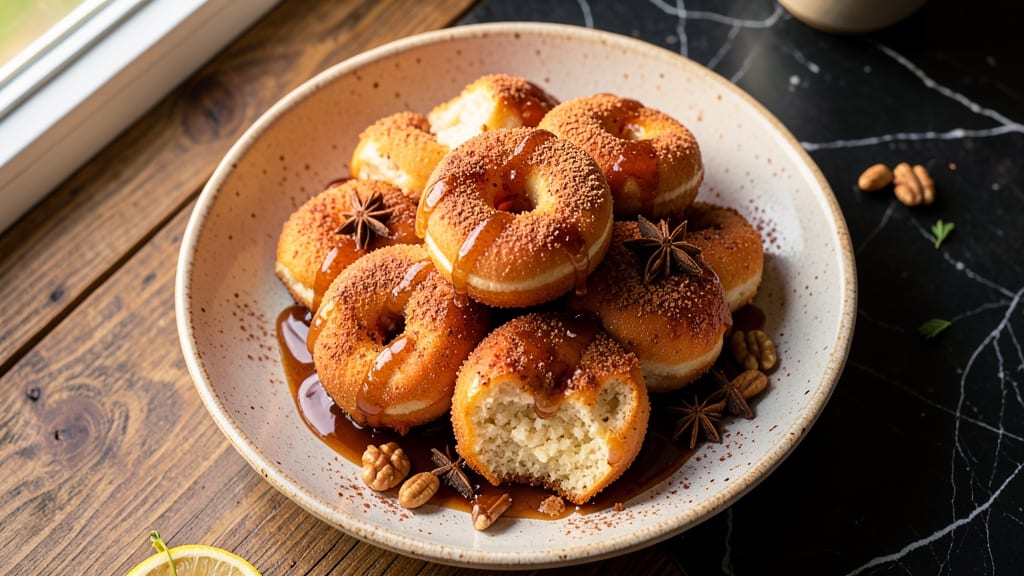
This apple cider cottage cheese donuts recipe delivers the perfect balance of creamy, tender bites with a warm spiced glaze that tastes like autumn in every bite.
The secret lies in folding cottage cheese into the batter—it keeps the donuts impossibly light while adding a subtle tang that pairs beautifully with the apple cider glaze. I developed this recipe during a crisp fall weekend when I wanted something cozy yet impressive, and it became an instant favorite.
The texture is what makes these donuts special: soft, fluffy centers that stay pillowy even after frying, topped with a glossy glaze that’s sweet, aromatic, and just spicy enough to keep things interesting. Whether you bake or fry, the method is straightforward, and the results are worth every minute.
The glaze isn’t just decoration—it’s the star, infused with cinnamon and a touch of clove for warmth that lingers on your tongue.
What you’ll end up with is a plate of golden donuts that look like they belong in a bakery display case. The cottage cheese adds richness without heaviness, while the glaze ties everything together with its perfect sweet-tart balance.
These donuts are ideal for brunch, dessert, or even a mid-afternoon treat—especially when paired with a dollop of whipped cream or a drizzle of caramel.
Ready in under an hour, this recipe is perfect for beginners and seasoned bakers alike. The key is patience—letting the batter rest and the glaze set ensures every bite is as delicious as the first. Let’s get baking!
Ingredients for apple cider cottage cheese donuts
Twelve cozy ingredients transform into golden, spiced donuts that taste like autumn in every bite.
| Ingredient | Amount | Notes |
|---|---|---|
| Large Eggs 🥚 | 2 whole | Room temperature for best mixing |
| Cottage Cheese 🧀 | 16 oz | Full-fat, small curd preferred |
| All-Purpose Flour 🌾 | 3 cups | Sifted for lightest texture |
| Granulated Sugar 🍚 | ½ cup | White or light brown |
| Baking Powder 🌶️ | 2 tsp | Aluminum-free preferred |
| Salt 🧂 | ½ tsp | Fine sea salt |
| Vanilla Extract 🍯 | 1 tsp | Pure, high-quality |
| Milk 🥛 | ½ cup | Whole milk for richness |
| Vegetable Oil 🫒 | ½ cup | Light, neutral flavor |
| Apple Cider 🍎 | 1 cup | Unfiltered for best flavor |
| Granulated Sugar (for glaze) 🍚 | 2 cups | Superfine preferred |
| Apple Cider Vinegar 🍎 | 2 tbsp | For tangy balance |
| Ground Cinnamon 🌿 | 1 tbsp | Freshly ground |
| Ground Cloves 🌶️ | ¼ tsp | Lightly toasted |
| Vegetable Oil (for frying) 🫒 | 3 cups | High smoke point |
The cottage cheese is non-negotiable here—it's what makes these donuts light and fluffy. Full-fat, small-curd cottage cheese from the refrigerated section at Whole Foods or Trader Joe's works best. If you're in a pinch, Kroger's brand is a solid grocery store option. Look for a brand that's thick and creamy, not watery. The apple cider? Unfiltered is key—it's got that rich, complex flavor that makes the glaze sing. I always grab mine from Local Harvest or the juice section at Wegmans. Pro tip: warm the cider slightly before using—it blends better into the batter.
No full-fat cottage cheese? Greek yogurt at half the amount works in a pinch, but the texture won't be quite the same. Running low on apple cider? Unsweetened applesauce can stretch it, but reduce the glaze sugar by 1 tbsp. The glaze ingredients are all pantry staples, but superfine sugar dissolves better—Trader Joe's sells it in a squeeze bottle, which is perfect for this recipe. Want more warmth? Add a pinch of nutmeg to the glaze. The cloves are optional but absolutely essential—they give that classic autumn spice that makes these donuts feel special. Toast them lightly in a dry pan for 30 seconds to deepen their flavor.
These donuts are best made fresh, but the batter keeps for 24 hours in the fridge if you want to prep ahead. The glaze sets within 30 minutes, so make it first and let it cool slightly before dipping. Store leftover donuts in an airtight container with parchment between layers—they stay soft for 3 days. Freeze unglazed donuts for 1 month: fry them, cool completely, then freeze on a tray before transferring to a bag. Re-fry from frozen for 30 seconds per side—no thawing needed!
Why You'll Love This Recipe
- No Mixer Needed: I swear by this trick—just fold the cottage cheese into the dry ingredients with a fork until it’s almost smooth. No blender, no food processor, and no sticky mess to scrub out.
- Fall in One Bite: That warm cinnamon-sugar crust gives way to a tender, slightly tangy center—like biting into a cozy sweater on a crisp morning. The apple cider glaze ties it all together with a sticky-sweet finish that disappears too fast.
- Breakfast or Dessert: Serve them plain with coffee for a protein-packed morning treat, or drizzle with caramel for a weekend indulgence. Honestly, my kids ask for these after school and before bed—no judgment here.
- Budget-Friendly Magic: Cottage cheese stretches the dough further than yeast, and the sugar and flour are pantry staples. I’ve made a dozen for under $3, and they vanish before the week ends. Leftovers? Toast them for a crispy snack.
Step-by-step instructions for apple cider cottage cheese donuts
Here's how to make these light, fluffy donuts with a perfect apple cider glaze - every step delivers on that crispy exterior and tender crumb.
Mix the Cottage Cheese Batter for Light Texture
In a large mixing bowl, combine the 2 whole Large Eggs, 16 oz Cottage Cheese, 0.5 cup Granulated Sugar, 1 tsp Vanilla Extract, 0.5 cup Milk, and 0.5 cup Vegetable Oil. Whisk until completely smooth - you want to break up any cottage cheese curds for that signature tender texture. The batter should be thick but pourable, like heavy cream.
In a separate bowl, sift together the 3 cups All-Purpose Flour, 2 tsp Baking Powder, and 0.5 tsp Salt. Gently fold these dry ingredients into the wet mixture using a spatula, mixing just until combined. Overmixing develops gluten and makes the donuts tough. Here's the thing - don't worry if you see a few flour streaks remaining, that's actually what we want for light donuts.
Incorporate the Apple Cider for Moisture and Flavor
Add the 1 cup Apple Cider to the batter and mix gently until fully incorporated. The cider adds moisture that keeps these donuts tender while giving them that signature autumnal flavor. Let the batter rest for 10 minutes at room temperature - this allows the flour to fully hydrate and the baking powder to activate properly.
While the batter rests, heat 3 cups Vegetable Oil in a deep fryer or heavy pot to 350°F. Use a deep-fry thermometer to monitor the temperature carefully - oil that's too cool makes soggy donuts, while oil that's too hot burns the outside before the inside cooks. I like to keep a small bowl of ice water nearby to test the oil's readiness - when a small piece of batter dropped in sizzles and floats immediately, it's ready.
Fry the Donuts Until Golden Brown
Using a piping bag fitted with a large round tip (or a spoon), carefully pipe 2-inch diameter donuts into the hot oil. Work in batches to avoid overcrowding - you want space between donuts for even browning. Fry for 2-3 minutes per side until they're golden brown all over. The donuts should float to the top when ready, and a toothpick inserted should come out clean.
As you fry, transfer the cooked donuts to a wire rack set over a paper towel-lined plate. The paper towels absorb excess oil while the rack allows air to circulate, preventing sogginess. Don't stack them - they need room to breathe and crisp up as they cool. Real talk: if any donuts brown too quickly, reduce the heat by 25°F for the next batch to prevent burning.
Prepare the Spiced Apple Cider Glaze
While the donuts cool, prepare the glaze by combining the 2 cups Granulated Sugar (for glaze), 2 tbsp Apple Cider Vinegar, 1 tbsp Ground Cinnamon, and 0.25 tsp Ground Cloves in a saucepan. Cook over medium heat, stirring constantly, until the sugar dissolves completely and the mixture reaches 235°F - this creates a thick, glossy coating.
Remove from heat and let cool for 5 minutes - the glaze needs to thicken slightly before using. Here's where it gets fun - the vinegar creates a beautiful caramelization that balances the sweetness, while the spices add warm autumnal notes. If the glaze thickens too much while cooling, add 1 tsp hot water to loosen it to a drizzling consistency.
Glaze and Serve Warm Donuts
Dip each cooled donut halfway into the warm glaze, allowing any excess to drip off. Place them on a wire rack set over parchment paper to set the glaze. The donuts should have a beautiful glossy sheen when finished. Serve warm for the ultimate experience - the contrast between the crispy exterior, tender interior, and spiced glaze is what makes these donuts special.
These donuts are best enjoyed within 2 hours of frying while the glaze is still shiny. For extra flair, sprinkle with additional cinnamon or serve with a side of whipped cream. The secret to success? Keeping everything hot and working efficiently - once you start frying, you'll want to keep the momentum going to maintain that perfect texture.
Pro Tips For Making Apple Cider Cottage Cheese Donuts
- Drain the Cottage Cheese: Skip the liquidy mess—line a fine-mesh strainer with cheesecloth or a clean kitchen towel, then let the cottage cheese sit for 10-15 minutes to drain excess whey. This makes your batter thicker and the donuts lighter, so they don’t turn into soggy dumplings.
- Mix Just Until Combined: After folding in the flour, resist the urge to overmix. Two or three gentle stirs with a spatula is all you need—cottage cheese batter behaves like a temperamental diva, and overworking it makes donuts dense. Stop when you see dry bits disappearing, not when it looks "perfect."
- Use a Light Hand with the Apple Cider: A splash (about ¼ cup) adds flavor, but too much turns your donuts into a science experiment. Taste the batter first—if it’s tart enough, you’re good. If not, stir in a teaspoon of sugar to balance it before frying.
- Test the Oil at 350°F: The oil’s temperature is the thing that matters most. Too low, and your donuts absorb oil like a sponge; too high, and they burn before cooking through. Use a candy thermometer, and if you don’t have one, drop a pinch of batter in—it should sizzle and rise to the surface in 30 seconds.
Common mistakes when making this dish
Overmixing the Batter
The biggest mistake I see is overmixing the batter after adding the dry ingredients. Cottage cheese donuts rely on that tender, almost cake-like texture, and overworking the flour develops gluten, making them tough instead of light.
I've learned to stop mixing as soon as the flour disappears—there should still be a few streaks visible. This might feel counterintuitive, but trust me, those streaks are your friends for that signature pillowy texture. 💡
Skipping the Rest Time
Rushing the 10-minute rest for the batter is another common error. This resting period lets the baking powder activate fully and allows the flour to hydrate properly, which prevents dense donuts.
I once skipped it because I was eager to fry, and the result was donuts that were dense and heavy. Give the batter its rest—it's worth the wait for that perfect light crumb.
Incorrect Oil Temperature
Using oil that's too cool or too hot is a game-changer for texture. Oil that's too cool makes soggy donuts, while oil that's too hot burns the outside before the inside cooks. I always keep a deep-fry thermometer handy to maintain 350°F.
A quick test is to drop a small piece of batter into the oil—if it sizzles and floats immediately, it's ready. If not, adjust the heat and wait a few more minutes. 🔥
Overcrowding the Fryer
Trying to fry too many donuts at once is a recipe for disaster. Overcrowding lowers the oil temperature, leading to greasy, unevenly cooked donuts. I always work in batches, giving myself enough space between donuts for even browning.
A good rule of thumb is to keep the oil level at least 1 inch above the donuts when they're in the fryer. This ensures they cook evenly and develop that beautiful golden-brown crust.
Glaze Too Hot or Too Cold
Dipping donuts into glaze that's too hot will melt it instantly, creating a messy, runny coating. On the flip side, glaze that's too cold won't adhere properly and will look dull.
I always let the glaze cool for 5 minutes after cooking and adjust the consistency with 1 tsp hot water if needed. The glaze should be thick enough to coat the back of a spoon but still drizzle smoothly. This balance is key for that glossy, professional finish. ✨
Not Cooling Donuts Properly
Transferring freshly fried donuts straight onto a plate or stacking them while hot can lead to soggy results. Instead, place them on a wire rack set over a paper towel-lined plate. This allows air to circulate, helping them crisp up as they cool.
I also avoid stacking them until they're completely cooled—they need that airflow to maintain their texture. Patience here pays off with donuts that stay light and crispy, not greasy or soggy. 💫
Nutrition facts
Frequently asked questions
Can I make these donuts without frying them?
For a baked version, shape the batter into 2-inch balls on a parchment-lined baking sheet and bake at 375°F for 12-15 minutes until golden. Brush with warmed apple cider glaze after baking. The texture will be slightly denser but still delicious.
Why does my batter look too thick or too thin?
The batter should be like heavy cream—thick but pourable. If too thick, add 1 tablespoon of milk at a time until smooth. If too thin, fold in 1 tablespoon of flour until it reaches the right consistency. The cottage cheese adds richness, so don't adjust too much.
How do I store leftover glazed donuts?
Place donuts in an airtight container with parchment paper between layers. They stay fresh for 3 days at room temperature. For longer storage, freeze unglazed donuts for 1 month, then re-fry from frozen for 30 seconds per side before glazing.
Can I use Greek yogurt instead of cottage cheese?
Yes, but reduce the amount to 12 oz and add 1 extra tablespoon of milk to compensate for the difference in moisture. Greek yogurt creates a slightly denser texture, but the flavor remains rich and creamy. The glaze will still shine beautifully!
What’s the best way to reheat these donuts?
For the crispiest texture, warm glazed donuts in a 350°F oven for 5-7 minutes on a wire rack. Microwave reheating works in a pinch (10-15 seconds), but it can make the glaze soggy. Always reheat from room temperature for even warmth.