
Main Courses
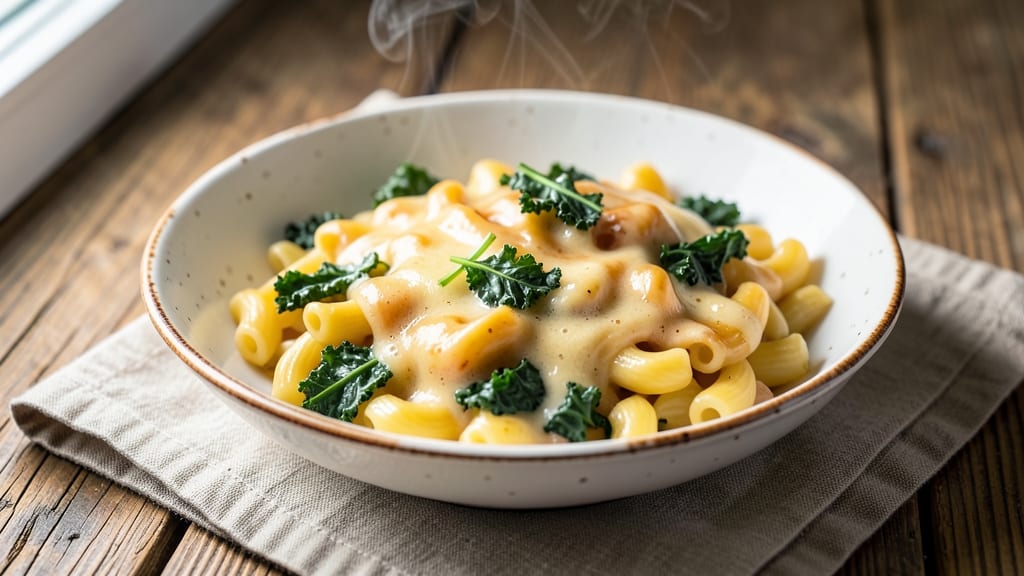
This creamy Amy’s kale mac and cheese recipe transforms a classic comfort dish into something vibrant and nutritious. The secret lies in blending tender kale directly into the cheese sauce, creating a velvety texture with subtle earthy notes that complement the rich cheddar perfectly.
What sets this apart is the balance—creamy, cheesy goodness meets fresh greens without overpowering the dish. Unlike traditional recipes, this version incorporates kale in a way that enhances rather than competes with the cheese.
The process is straightforward: cook the pasta al dente, build a luscious roux-based sauce, and fold in the kale at the right moment. This ensures the greens soften into the sauce rather than remaining chewy, delivering a harmonious bite every time.
The result is a dish that’s restaurant-quality yet simple to make at home. The vibrant green hue adds visual appeal, while the creamy sauce ensures each forkful is indulgent. It’s the perfect combination of comfort and nutrition—ideal for weeknight dinners or special occasions when you want something hearty yet health-conscious.
Whether you're feeding a family or treating yourself, this recipe delivers on both flavor and texture. The key is patience—letting the kale infuse fully into the sauce while maintaining that signature creamy consistency. Ready to elevate your mac and cheese game?
Ingredients for amy's kale mac and cheese
Fourteen simple ingredients for a creamy, vibrant mac and cheese that feels like a restaurant dish.
| Ingredient | Amount | Notes |
|---|---|---|
| Elbow Macaroni 🍝 | 12 oz | Cooked al dente, drained |
| Fresh Kale Leaves 🥬 | 4 cups | Stems removed, chopped small |
| Sharp Cheddar Cheese 🧀 | 2 cups | Shredded, aged for best flavor |
| Butter 🧈 | ½ cup | Unsalted, cut into small pieces |
| All-Purpose Flour 🌾 | ½ cup | For smooth roux |
| Whole Milk 🥛 | 2 cups | Full-fat for creaminess |
| Garlic Cloves 🧄 | 2 cloves | Minced for subtle flavor |
| Salt 🧂 | 1 ½ tsp | Kosher or sea salt |
| Black Pepper 🌶️ | ½ tsp | Freshly ground |
| Nutritional Yeast 🍄 | 2 tbsp | For cheesy depth |
| Extra-Virgin Olive Oil 🫒 | 1 tbsp | For finishing drizzle |
| Red Pepper Flakes 🌶️ | ¼ tsp | Optional for heat |
The kale is the secret weapon here—fresh is non-negotiable (the frozen kind just won't cut it). Grab the dark leafy kind from the grocery store produce section, not the curly kind. For cheese, sharp cheddar makes all the difference—Cabot or Tillamook are my go-tos, but any aged cheddar works. The butter should be cold when you start the roux, or you'll end up with a greasy mess. Trust me on this one. If you're short on time, pre-shredded cheese is fine, but freshly grated melts better and tastes richer.
No sharp cheddar? Pepper jack or Gruyère add different but delicious flavors. The kale can be swapped for spinach or Swiss chard if that's what you've got, but kale has that perfect earthy bite. Running low on milk? Heavy cream plus a splash of water works in a pinch. The nutritional yeast might be tricky to find—check the health food aisle or order online if your grocery store doesn't carry it. It's a game-changer for that cheesy umami flavor, though. And if you want it spicier, toss in those red pepper flakes at the end—start with a pinch and adjust to taste.
This sauce gets better the next day—make extra and save half for tomorrow. Store leftovers in an airtight container in the fridge for up to 5 days, or freeze for 3 months. The kale keeps its vibrant color if you cover the sauce with plastic wrap pressed right on top. For serving, I always drizzle a little olive oil and crack some black pepper on top—simple but makes it feel fancy. Pasta reheats best in the microwave with a splash of water, then stir until creamy.
Why You'll Love This Recipe
- I’ll be real: kale intimidates people, but here you just tear those leaves roughly—no knife skills required. The stems get wilted right into the cheese sauce, so they disappear into deliciousness.
- No Chopping Chaos: I’ll be real: kale intimidates people, but here you just tear those leaves roughly—no knife skills required. The stems get wilted right into the cheese sauce, so they disappear into deliciousness.
- Cheesy-Kale Magic: That sharp cheddar melts into a velvety blanket while the kale adds a subtle earthy bite. Honestly, the first bite makes you wonder why you never mixed greens into mac before—it’s weirdly perfect.
- Lunchbox Hero: Pack it cold the next day, and the pasta stays al dente while the cheese keeps it warmish. My kids actually eat their veggies this way—no negotiations, just seconds.
Step-by-step instructions for creamy kale mac and cheese
Here's how to blend vibrant kale into a rich, velvety cheese sauce without losing any flavor.
Cook the Pasta and Prep the Kale
Start by boiling the 12 oz elbow macaroni in salted water until it's al dente—about 2 minutes less than the package instructions. I like to taste-test a piece before draining to make sure it has a slight bite. While the pasta cooks, remove the stems from the 4 cups fresh kale leaves and chop them into small pieces—about ¼-inch squares. You want them small enough to blend seamlessly into the sauce later.
Once the pasta is cooked, drain it and set it aside. Don't rinse it—those starchy strands help the cheese sauce cling beautifully. If you're using the optional ¼ tsp red pepper flakes, sprinkle them over the hot pasta to infuse a subtle heat. I like to let the pasta sit in the colander for a minute while I prep the cheese sauce so it doesn't cool too much before combining.
Make the Cheese Sauce Base
In a large saucepan, melt the ½ cup butter over medium heat until it's fully liquid and foaming. Add the ½ cup all-purpose flour all at once and whisk vigorously for 1-2 minutes until the mixture turns a pale golden color. This is your roux, and you want it smooth—no lumps! If it starts to smell nutty or darken, reduce the heat slightly to prevent burning.
Slowly pour in the 2 cups whole milk while whisking constantly to avoid clumps. Keep whisking for another 3-4 minutes until the sauce thickens enough to coat the back of a spoon. This step is where the magic happens—the roux forms the creamy foundation for your sauce. If it thickens too quickly, add a splash of pasta water to loosen it slightly.
Add Cheese and Nutritional Yeast
Reduce the heat to low and gradually add the 2 cups shredded sharp cheddar cheese and 2 tbsp nutritional yeast, stirring constantly. The cheese will melt quickly, but keep whisking until the sauce is completely smooth. If you notice any lumps, strain the sauce through a fine-mesh sieve for that ultra-silky texture. This is also when you add the 1.5 tsp salt and ½ tsp black pepper—taste as you go and adjust if needed.
The nutritional yeast here adds a cheesy depth that takes this dish to the next level. If you're worried about the sauce separating, don't panic—just whisk in a little more pasta water to bring it back together. The goal is a sauce that's thick enough to coat the pasta but still flows smoothly.
Blend in the Kale and Finish
Now it's time to incorporate the chopped kale. Add the 4 cups chopped kale leaves to the cheese sauce and stir well. Let the mixture simmer for 3-4 minutes on low heat until the kale softens completely. You might notice the sauce darken slightly—that's normal and just means the kale is releasing its vibrant color and nutrients.
If the sauce is too thick after adding the kale, thin it out with a little more pasta water until it reaches your desired consistency. The key here is to let the kale meld into the cheese—you shouldn't be able to taste it separately, just the overall richness of the dish. Once everything is well combined, stir in the 1 tbsp extra-virgin olive oil for a finishing touch that adds brightness.
Combine and Serve
Add the drained pasta to the cheese sauce and toss everything together gently until every strand is fully coated. The sauce should cling beautifully to the pasta, creating that perfect cheesy pull. If the pasta seems dry, add a splash more pasta water to loosen the sauce. Taste one last time and adjust seasoning if needed—sometimes the kale can mellow out the flavors a bit, so don't be afraid to add more salt or pepper.
Serve immediately while the sauce is still creamy and the pasta is hot. The vibrant green color from the kale will peek through the cheese, giving you that beautiful visual contrast. This dish tastes even better the next day when the flavors have a chance to meld, but the sauce might thicken slightly—just loosen it with a little milk or water if needed. Enjoy with a crisp green salad or some crusty bread on the side!
Pro Tips For Making Amy'S Kale Mac And Cheese
- STEAM THE KALE FIRST: Chop the kale into thin ribbons, then blanch it in boiling water for 30 seconds before adding it to the cheese sauce. This softens the stems and removes bitterness—no one wants chewy kale in their mac. (I used to skip this and always ended up with a mouthful of tough greens.)
- USE COLD CHEESE FOR SAUCE: Grate the sharp cheddar fresh and let it sit in the fridge for 15 minutes before melting it into the roux. Cold cheese melts smoother and doesn’t clump like warm cheese does. (Yes, even if you’re impatient like me—trust the science.)
- SALT THE PASTA WATER HARD: Toss the elbow macaroni into boiling water with 2 tablespoons of salt (that’s a lot, but it matters). Under-seasoned pasta water means bland mac and cheese—no second chances here. (Taste it; it should taste like the sea.)
- LOW AND SLOW FOR ROUX: Whisk the butter and flour into a roux over medium-low heat for 3-4 minutes until it turns a pale golden color. Rushing this step burns the flour and makes the sauce taste bitter. (I learned this the hard way when my kitchen smelled like a campfire.)
Wine and beer pairings for amy's kale mac and cheese
Crisp White Wine
For this creamy, cheesy dish, I reach for a dry Riesling or Sauvignon Blanc—their bright acidity cuts through the richness beautifully. A German Riesling with its citrus notes complements the kale’s earthiness, while a New Zealand Sauvignon Blanc adds a zesty contrast.
Serve slightly chilled to enhance the wine’s crispness against the warm pasta. 🍷
Malty Amber Ale
Beer lovers should opt for a Belgian-style amber ale or American pale ale—their caramel and toasty notes harmonize with the cheddar while balancing the kale’s bitterness. I love Allagash White or Deschutes Mirror Pond for their smooth malt profiles that stand up to the dish’s creaminess.
Serve at room temperature for the best flavor pairing.
Creamy Chardonnay
If you prefer white wine, an oaked Chardonnay from California or Burgundy works wonders. The buttery notes mirror the sauce’s richness, while the oak’s subtle vanilla enhances the cheese.
Choose a unoaked Chardonnay if you want to keep the focus on the kale’s freshness—La Crema or Kendall-Jackson are reliable picks. 🥂
Spiced Cider Option
For a non-alcoholic twist, try a dry hard cider like Strongbow or Angry Orchard. The slight tannins and apple acidity cleanse your palate between bites of creamy mac and cheese. Warm it slightly to release its aromatic notes—perfect for cozy fall dinners.
Red Wine Caution
Avoid bold reds like Cabernet or Syrah—they’ll overpower the dish’s delicate flavors. If you must go red, try a light Pinot Noir from Oregon or a Gamay from Beaujolais.
Their bright acidity and subtle fruit notes complement the kale without competing. Always decant reds for 15-30 minutes before serving to soften their tannins.
Nutrition facts
Frequently asked questions
Why does the kale turn mushy in the cheese sauce?
The kale needs to cook just 3-4 minutes on low heat to soften without turning mushy. Chop it into ¼-inch pieces first—smaller pieces cook faster and blend better. If you notice it wilting too quickly, reduce the heat to low and stir gently. Overcooking releases too much water, thinning the sauce.
Can I use frozen kale instead of fresh?
Fresh kale works best because it has a better texture and flavor, but if you must use frozen, thaw it first and squeeze out excess water. Frozen kale often has ice crystals that dilute the sauce and make it watery. For best results, use half the amount (2 cups frozen instead of 4 cups fresh) and cook it for 1-2 extra minutes to remove moisture.
How do I make this dish extra creamy?
For a silkier texture, strain the cheese sauce through a fine-mesh sieve after melting the cheese to remove any lumps. Add 2 tablespoons of cream cheese or ¼ cup heavy cream to the sauce while it simmers. Another trick is to replace ½ cup of milk with whole milk or half-and-half for extra richness. Let the sauce rest for 10 minutes before serving—it thickens as it cools!
Can I make this ahead of time?
Yes! Assemble the dish up to 2 days ahead and refrigerate in an airtight container. The sauce will thicken slightly—just reheat with a splash of milk or water to loosen it. For freezing, store the sauce and pasta separately. Freeze the sauce for up to 3 months and cook the pasta fresh when ready to serve. Reheat gently on the stove to preserve texture.
What's the best way to reheat leftovers?
Reheat in a skillet over medium-low heat with 2 tablespoons of milk or water to prevent drying. Stir constantly for 3-4 minutes until fully warmed through. Microwave reheating works too—cover with a damp paper towel and heat in 30-second intervals, stirring between each. Avoid high heat, which can make the sauce grainy.