
Sauces & Condiments
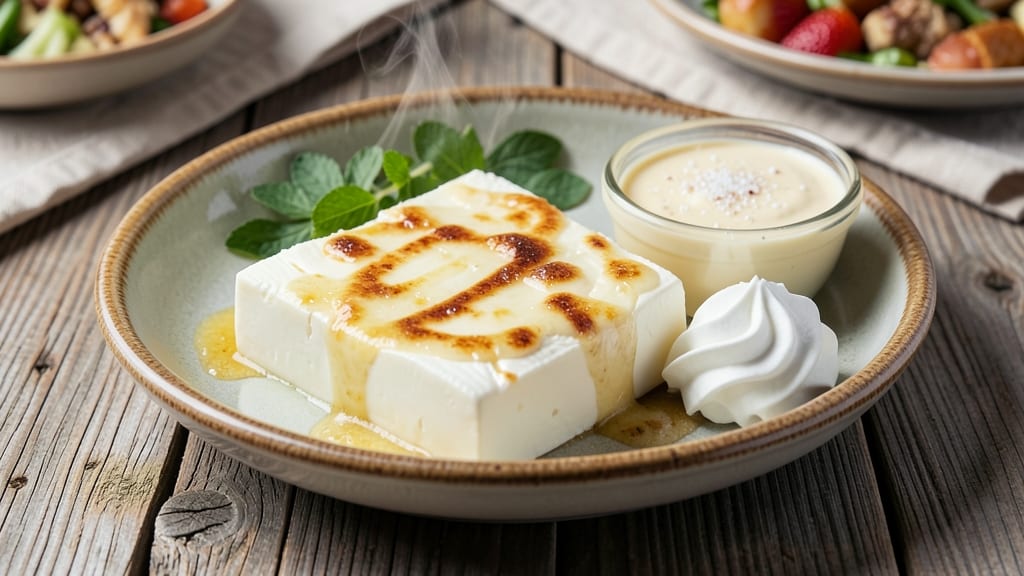
This Amish butter cheese recipe brings the heart of Pennsylvania farmhouse kitchens to your table with its signature tangy depth and velvety richness. 💛 Unlike store-bought versions, homemade Amish butter cheese develops complex flavors through slow fermentation and careful blending—transforming simple dairy into a spread that tastes like comfort itself.
The secret lies in balancing sharp cheddar with creamy butter, then letting the mixture rest overnight to meld flavors. This isn't just a condiment; it's a flavor base that elevates everything from cornbread to roasted vegetables. The Amish tradition emphasizes simplicity—no artificial additives, just real dairy and time-honored techniques.
What makes this recipe special is its versatility. Use it as a spread for fresh bread, a topping for baked potatoes, or the star of a classic Amish chicken and dumplings. The tangy richness cuts through rich dishes while adding a satisfying depth that store-bought versions simply can't match.
Perfect for those who appreciate traditional flavors with modern convenience, this recipe delivers restaurant-quality results with just a few simple ingredients. Once you taste homemade Amish butter cheese, you'll never go back to the store-bought version again.
Ingredients for amish butter cheese
Nine simple ingredients transform into Pennsylvania farmhouse comfort with every tangy, buttery bite.
| Ingredient | Amount | Notes |
|---|---|---|
| Sharp White Cheddar Cheese 🧀 | 1 lb | Aged 6-12 months for tangy depth |
| Unsalted Butter 🧈 | ½ cup | European-style preferred for richness |
| Heavy Whipping Cream 🥛 | ½ cup | Full-fat for velvety texture |
| Buttermilk 🥛 | ¼ cup | Cultured for subtle tang |
| Granulated Sugar 🍚 | 1 tbsp | Balances acidity gently |
| Kosher Salt 🧂 | ½ tsp | Diamond Crystal preferred |
| Freshly Ground Black Pepper 🌶️ | ¼ tsp | Freshly cracked for aroma |
| Freshly Grated Nutmeg 🌿 | ⅛ tsp | Finely grated for warmth |
| Apple Cider Vinegar 🍎 | 1 tsp | For controlled fermentation |
| Worcestershire Sauce 🍶 | ½ tsp | Vegetarian version for umami |
| Unbleached All-Purpose Flour 🌾 | 1 tbsp | For smooth texture |
The cheddar is non-negotiable—aged 6-12 months delivers that signature Amish tang. Wisconsin cheddar from specialty grocers or local creamery counters works best, but avoid pre-shredded (it loses moisture). The butter should be European-style, like Plugrá or Kerrygold, for its higher fat content. For buttermilk, if you're in a hurry, mix 1 tablespoon lemon juice with 1/4 cup milk and let sit 5 minutes. The vinegar and Worcestershire work together to create that subtle depth without overpowering the dairy.
No buttermilk? Substitute plain yogurt thinned with milk at the same ratio. Running short on sharp cheddar? Colby Jack or pepper jack can stand in, though the flavor will be milder. The nutmeg can be pre-ground, but freshly grated from a whole nutmeg makes a noticeable difference. For a smoother texture, pulse the cheese in a food processor first, but traditionalists insist on hand-grating for authenticity. The flour is optional but helps bind the mixture for a more spreadable consistency—skip it if you prefer a chunkier texture.
This blend develops best when refrigerated 24-48 hours before serving, allowing flavors to meld. Store in an airtight container between uses, and it'll keep for 2 weeks in the fridge. For longer storage, portion into small jars and freeze for up to 3 months. The flavor actually improves with time, so make extra—it disappears quickly once you taste homemade. Spread on warm cornbread or dollop over roasted vegetables for the full Amish experience.
Why You'll Love This Recipe
- Pantry Magic: I swear by this recipe when I’ve got nothing but cheese, butter, and a splash of cream. No fancy tools—just a bowl and a whisk. Honestly, it’s the kind of thing I make when I’m too tired to grocery shop but still want something rich and satisfying.
- Creamy Sharp Bite: That sharp white cheddar melts into the buttercream so smoothly, you get this perfect balance—tangy without being overpowering, rich without being greasy. The sugar just rounds out the edges, like a little hug for your taste buds. (Yes, even on a Tuesday night.)
- Party-Ready Spread: Slather it on crackers for a crowd, dollop it on burgers when the grill’s hot, or use it as a dip for veggies when you’re feeding hungry kids. Between us, it’s also my go-to for last-minute charcuterie boards—no one ever guesses how little effort it took.
- Stretches Your Budget: A block of cheddar and a stick of butter go a long way here. I’ve made this for potlucks, school fundraisers, and even as a quick snack when the kids come home starving. Not the prettiest, but the taste makes up for it—and your wallet thanks you.
Step-by-step instructions for Amish butter cheese
This traditional blend transforms sharp cheddar into a velvety spread with perfect tang and richness.
👨🍳 Step 1: Prepare the Cheese Base
Cut the 1 lb Sharp White Cheddar Cheese into ½-inch cubes for even melting. Place them in a heavy-bottomed saucepan over medium-low heat and let them melt slowly, stirring frequently with a silicone spatula. The cheese should melt completely in about 8-10 minutes—watch closely as it can burn easily.
Once fully melted, remove the pan from heat and let the cheese cool slightly. This initial melting creates the foundational texture for your spread. If you notice any lumps forming, gently press them through a fine-mesh sieve to ensure a completely smooth base for the next steps.
🍳 Step 2: Build the Creamy Foundation
In a separate bowl, whisk together the 0.5 cup Heavy Whipping Cream, 0.5 cup Unsalted Butter, and 0.25 cup Buttermilk until smooth. The butter should melt completely into the cream mixture, creating a silky blend. Here's the thing—adding the buttermilk now helps balance the acidity and prevents the final spread from becoming too rich.
Gradually pour this cream mixture into the melted cheese, whisking constantly. Return the pan to low heat and stir continuously for 5-7 minutes until the mixture thickens slightly and coats the back of a spoon. You're looking for a velvety consistency that's still pourable but beginning to hold its shape when spooned.
🥘 Step 3: Incorporate Seasonings and Flavor Boosters
Remove the pan from heat and stir in the 1 tbsp Granulated Sugar, 0.5 tsp Kosher Salt, 0.25 tsp Freshly Ground Black Pepper, 0.125 tsp Freshly Grated Nutmeg, 1 tsp Apple Cider Vinegar, and 0.5 tsp Worcestershire Sauce. The vinegar and Worcestershire work together to enhance the tangy depth characteristic of Amish butter cheese, while the nutmeg adds that warm, earthy note that makes this spread truly special.
For the flour, whisk together the 1 tbsp Unbleached All-Purpose Flour with 1 tablespoon cold water in a small bowl to create a smooth paste. Slowly stir this into the cheese mixture, whisking constantly to prevent lumps. Return the pan to low heat for 2-3 minutes until the mixture thickens to a spreadable consistency—it should coat the back of a spoon but still be smooth enough to pipe if desired.
⏰ Step 4: Rest and Perfect the Texture
Transfer the cheese mixture to a heatproof bowl and place it in a larger bowl filled with ice water. This ice bath cools the mixture rapidly while maintaining its smooth texture. Stir occasionally as it cools to room temperature—about 15-20 minutes. The rapid cooling prevents the butterfat from separating and creates that perfect velvety mouthfeel.
Once cooled, cover the bowl with plastic wrap pressed directly onto the surface to prevent a skin from forming. Let it rest at room temperature for at least 4 hours or refrigerate overnight. This resting period allows all the flavors to meld together and the texture to fully develop. The result should be a spread that's rich, tangy, and perfectly spreadable—neither too soft nor too firm.
🍽️ Step 5: Test and Adjust Consistency
After resting, give your Amish butter cheese a final taste and adjust seasoning if needed. If it's too thick, warm it gently over low heat while stirring in 1-2 teaspoons of heavy cream until smooth. For a thinner consistency, you can add a splash of buttermilk or cream. The spread should be thick enough to hold its shape on bread but still spread easily with a knife.
For best results, store in an airtight container in the refrigerator for up to 2 weeks. This spread makes an excellent appetizer when served with crackers or fresh bread, or it can be used as a tangy topping for burgers and sandwiches. The combination of sharp cheddar, rich butter, and subtle tang creates a flavor profile that's both comforting and complex—perfect for any occasion.
Pro Tips For Making Amish Butter Cheese
- MELT CHEESE SLOWLY: I learned this the hard way—dumping shredded cheddar straight into hot cream will turn it into greasy glue. Instead, toast the cheese in a dry skillet over medium-low for 3-4 minutes until it just starts to soften, then whisk it into the warm (not boiling) cream. The texture stays smooth, not stringy.
- USE COLD BUTTER: Skip the room-temperature butter—it’ll turn the mixture greasy and break the emulsion. Cut the unsalted butter into small cubes and add it to the warm cheese mixture last, letting it melt in gradually. This keeps the final spread firm enough to slice but still creamy.
- STRAIN THE BUTTERMILK: That extra tang in buttermilk? It’s from liquid whey, and it can make your cheese spread watery. Pour the buttermilk through a fine-mesh sieve lined with cheesecloth, then squeeze out every last drop. Less liquid = thicker, richer cheese.
- DON’T OVERMIX THE SUGAR: Stirring in the sugar too vigorously incorporates air, which makes the spread grainy when it cools. Gently fold it in with a spatula until just combined—think "marbled," not "whipped." The sugar should dissolve without turning the mixture frothy.
Troubleshooting perfect results
Cheese Separating
If your Amish butter cheese separates into oily layers, it's usually from overheating or too much butterfat. To fix it, whisk in 1 tablespoon cold heavy cream while warming the mixture gently over low heat—just until smooth.
For prevention, keep heat at medium-low and stir constantly. I've found that using European-style butter with higher fat content (like Kerrygold) helps stabilize the texture better than American brands. 💡
Grainy Texture
A grainy texture often means the cheese didn't melt completely before mixing. Start by melting the sharp cheddar over low heat for 10-12 minutes, stirring frequently. If you still see lumps, press the melted cheese through a fine-mesh sieve before adding other ingredients.
For a smoother final product, I recommend grating the cheese yourself instead of using pre-shredded—it melts much more evenly. 🧀
Too Tangy
The tang comes from the aged cheddar and buttermilk, but if it's overwhelming, reduce the apple cider vinegar to ½ teaspoon and add ½ teaspoon extra sugar to balance. For a milder flavor, use slightly younger cheddar (3-6 months aged) instead of the recommended 6-12 months.
I've also found that letting the mixture rest 24 hours in the fridge helps mellow the acidity naturally. 🍎
Too Soft or Runny
If your cheese is too soft, it likely didn't cool properly or rested too long. For immediate fixes, chill it in the refrigerator for 2-3 hours before using. To prevent this, always use an ice bath to cool the mixture rapidly after cooking.
For a firmer texture, add ½ teaspoon cornstarch mixed with 1 tablespoon water during the thickening stage—it helps stabilize without altering flavor. 🥶
Not Spreadable
Thick, unspreadable cheese usually means the mixture cooled too quickly or didn't incorporate enough liquid. To fix it, warm the cheese gently over low heat while whisking in 1-2 tablespoons heavy cream until smooth.
For future batches, ensure you're using the full 0.5 cup heavy cream and 0.5 cup butter called for in the recipe. I've also had success adding 1 extra tablespoon flour to help bind the mixture. 🔥
Weak Flavor
Muted flavor often means the cheese wasn't aged enough or the seasonings were underused. For stronger taste, use 12-month aged cheddar and increase the Worcestershire sauce to 1 teaspoon.
Freshly grated nutmeg makes a huge difference—pre-ground loses potency. If you're short on time, let the finished cheese rest 48 hours in the fridge to let flavors develop fully. 🌶️
Nutrition facts
Frequently asked questions
Can I make this Amish butter cheese without a food processor?
This recipe doesn't require a food processor. Simply cut the cheddar into small cubes and melt them over low heat, stirring constantly with a silicone spatula. For extra smoothness, press the melted cheese through a fine-mesh sieve before adding other ingredients. The traditional method relies on patience and gentle heat to achieve the creamy texture.
How does Amish butter cheese differ from regular cheese spreads?
Unlike commercial cheese spreads that often contain additives and preservatives, Amish butter cheese uses only real dairy and simple ingredients like aged cheddar, butter, and cream. The key difference is the fermentation process—using buttermilk, vinegar, and aged cheese creates that signature tangy depth that store-bought versions can't replicate. It's richer, more flavorful, and perfect for traditional Amish dishes.
Can I use this cheese on hot dishes like baked potatoes?
Yes, but with caution! While this spread is delicious on warm bread or crackers, it can melt too quickly on hot dishes like baked potatoes. For best results, serve it on the side and let guests add it themselves. Alternatively, chill the spread for 30 minutes before using it as a topping to help it hold its shape better. The flavor pairs wonderfully with roasted vegetables too!
What's the best way to store leftover Amish butter cheese?
Store in an airtight container in the refrigerator for up to 2 weeks. For longer storage, portion into small jars and freeze for 3 months. When ready to use, thaw in the fridge overnight. The flavor actually improves with time, so make extra—it disappears quickly! Just be sure to press plastic wrap directly onto the surface to prevent a skin from forming.
Can I make this recipe with dairy-free alternatives?
While traditional Amish butter cheese relies on dairy, you can experiment with plant-based substitutes. Try using sharp vegan cheddar, coconut oil instead of butter, and almond milk for the cream. However, the texture and flavor will differ significantly from the original. For best results, stick to the traditional ingredients—this spread is all about that rich dairy experience!