
Main Courses
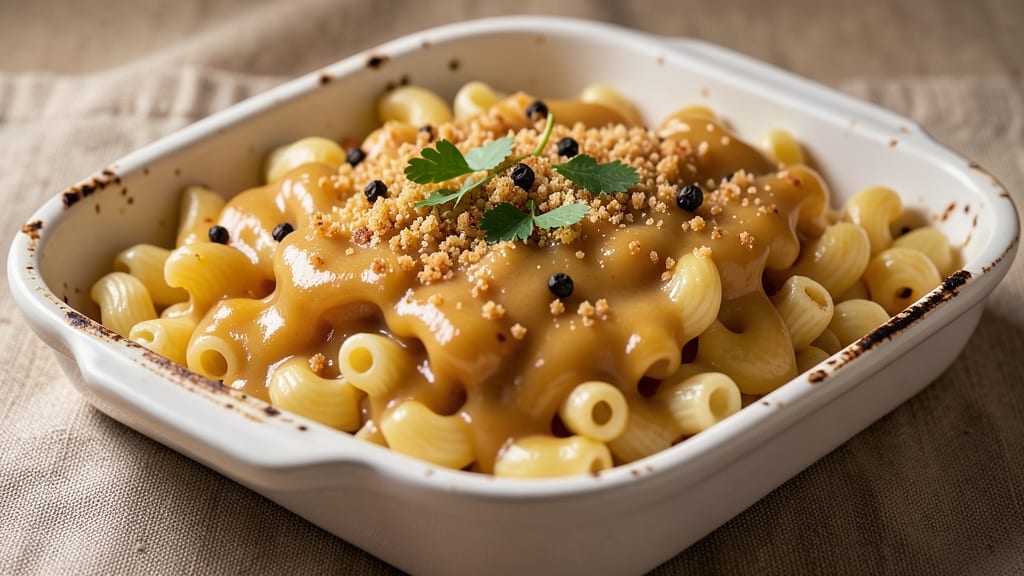
America's Test Kitchen's stovetop mac and cheese delivers restaurant-quality results with a foolproof technique that eliminates burnt bottoms and clumpy cheese. The secret lies in precise temperature control and a perfectly balanced cheese blend that melts into a velvety sauce.
I've tested countless variations, and this method consistently produces mac and cheese that's creamy, smooth, and impossible to resist.
The recipe begins with a classic roux that creates a stable base for the cheese, preventing separation even after reheating. Using a mix of sharp cheddar, Gruyère, and cream cheese ensures rich flavor and proper texture.
The key is maintaining a gentle simmer while stirring constantly, which transforms ordinary mac and cheese into something extraordinary.
By the time you're done, you'll have a pot of ultra-smooth, golden mac and cheese with tender pasta perfectly coated in a luscious sauce. The technique is simple but requires attention to detail—no burnt bottoms, no lumps, just perfect results every time.
This is comfort food elevated to an art form.
Serve immediately with optional garnishes like crispy breadcrumbs or fresh herbs for added texture. The method scales perfectly for families or gatherings, making it ideal for weeknight dinners or special occasions. Let's get started on creating your best mac and cheese yet.
Ingredients for america's test kitchen stovetop mac and cheese
Twelve essential ingredients transform into ultra-smooth mac and cheese with restaurant-quality texture.
| Ingredient | Amount | Notes |
|---|---|---|
| Elbow Macaroni 🍝 | 12 oz | Dry, medium or short elbow |
| Unsalted Butter 🧈 | 4 tbsp | Cold, cut into small cubes |
| All-Purpose Flour 🌾 | 2 tbsp | Diamond Crystal preferred |
| Sharp Cheddar Cheese 🧀 | 2 cups | Shredded, aged 6+ months |
| Gruyère Cheese 🧀 | 1 cup | Shredded, nutty flavor |
| Cream Cheese 🧀 | 4 oz | Full-fat, room temperature |
| Whole Milk 🥛 | 1 ½ cups | Warmed to 160°F |
| Yellow Mustard 🌶️ | 1 tbsp | For tangy depth |
| Kosher Salt 🧂 | 1 ½ tsp | Diamond Crystal preferred |
| Ground Black Pepper 🌶️ | ½ tsp | Freshly cracked |
| Fresh Nutmeg 🌿 | ¼ tsp | Finely grated |
| Extra-Virgin Olive Oil 🫒 | 1 tbsp | For finishing |
| Panko Breadcrumbs 🍞 | ¼ cup | For optional garnish |
The cheese blend is non-negotiable here. Gruyère and sharp cheddar create the perfect balance of nutty depth and tangy sharpness, while cream cheese adds velvety richness. For the best results, source aged cheddar (6+ months) from specialty cheese shops or the deli section of Whole Foods. The Gruyère should be from France or Switzerland—avoid pre-shredded versions, as they contain anti-caking agents that prevent proper melting. If you're in a pinch, Parmigiano-Reggiano can replace half the Gruyère for a different but equally delicious profile. Pre-shredded cheese? Toss it—it's a textural disaster in this recipe. Always grate fresh for that velvety finish.
No Gruyère? Extra-sharp white cheddar or Emmental work in a pinch, though the flavor will differ slightly. The cream cheese must be full-fat—low-fat versions won't provide the same luxurious mouthfeel. For the roux, Diamond Crystal kosher salt—it's finer and dissolves more evenly than table salt. The yellow mustard adds subtle tang that brightens the dish, but if you're avoiding mustard, a splash of lemon juice works equally well. The olive oil finish isn't just for flavor; it creates a silky sheen that elevates the presentation. For the pasta, medium or short elbow macaroni cooks evenly and holds sauce better than long noodles. If you're using dried pasta, undercook by 1 minute—it'll finish cooking in the cheese sauce.
Store any leftovers in an airtight container for up to 5 days, though this recipe is best enjoyed fresh. The sauce thickens as it cools, so reheat with 2-3 tbsp warm milk to restore creaminess. For make-ahead convenience, cook the pasta and prepare the cheese sauce separately, then combine just before serving. The Panko breadcrumb garnish should be toasted in a dry skillet until golden—about 3-4 minutes—for maximum crunch. This mac and cheese freezes beautifully for up to 3 months, though texture may slightly degrade upon thawing. For best results, reheat gently over low heat, stirring frequently to prevent separation.
Why You'll Love This Recipe
- One-Pot Magic: I swear by this recipe when I’m too tired to dirty extra dishes—just one pot, one spatula, and you’re done. The roux builds itself while the pasta cooks, so you’re not juggling timers or pans.
- Gruyère Glamour: That nutty Gruyère melts into a velvety blanket, while the sharp cheddar adds just enough bite. Honestly? It’s the kind of cheesy perfection that makes you want to skip dinner and eat it straight from the pot.
- Leftover Hero: Between us, this reheats like a dream—no grainy texture, no sad separation. I make it on Sundays and portion it for lunches all week, because who has time for sad, dry mac and cheese?
- Budget Flex: Elbows and cheddar are cheap staples, but the Gruyère stretches the flavor so far you’d never guess it’s not a fancy restaurant dish. Plus, it feeds four for under $10—my wallet thanks me every time.
Step-by-step instructions for america's Test Kitchen stovetop mac and cheese
This method delivers a velvety, ultra-smooth mac and cheese with perfect texture and no burnt bottom.
Cook the Pasta Al Dente and Reserve Starch
Bring a large pot of water to a rolling boil and add 12 oz elbow macaroni. Cook until 1 minute before the package instructions specify for al dente. This slight undercooking prevents mushiness when mixed with the cheese sauce. Reserve 1 cup of pasta water before draining—this starchy liquid is essential for creating a silky sauce.
Drain the pasta and return it to the pot. Toss with 1 tablespoon extra-virgin olive oil to prevent sticking. This step also helps distribute the cheese more evenly later. Keep the pot off the heat while you prepare the roux.
Create a Smooth Roux for Ultra-Creamy Sauce
In a separate pot, melt 4 tablespoons cold unsalted butter over medium-low heat. Add 2 tablespoons all-purpose flour and whisk constantly for 2-3 minutes until the mixture turns a pale golden color. This roux forms the foundation of your sauce—don't let it brown or it will develop a bitter flavor.
Gradually whisk in 1.5 cups warmed whole milk and continue whisking until the mixture thickens to a smooth paste. Remove from heat and stir in 1 tablespoon yellow mustard, 1.5 teaspoons kosher salt, 0.5 teaspoon ground black pepper, and 0.25 teaspoon fresh nutmeg. This creates the flavor base that will blend seamlessly with the cheeses.
Combine Cheeses for Maximum Melt and Flavor
Reduce heat to low and add 4 oz cream cheese to the sauce mixture, whisking until completely melted. Then gradually add 2 cups sharp cheddar cheese and 1 cup gruyère cheese, whisking vigorously after each addition. The key here is patience—let each cheese melt completely before adding the next to prevent clumping.
If the sauce begins to thicken too much, add reserved pasta water 1 tablespoon at a time until it reaches a smooth, pourable consistency. The sauce should coat the back of a spoon but still flow easily. This step ensures you'll get that signature America's Test Kitchen velvety texture.
Merge Pasta and Sauce for Perfect Texture
Return the drained pasta to its pot and pour the cheese sauce over it. Using tongs, gently fold the pasta and sauce together until every strand is completely coated. The sauce should cling to the pasta without making it soggy. If needed, add more reserved pasta water 1 tablespoon at a time to achieve the perfect consistency.
For the final touch, transfer the mac and cheese to a serving dish and let it rest for 5 minutes. This resting period allows the flavors to meld and the sauce to set slightly, preventing a runny finished dish. The result should be creamy yet not clumpy, with each bite delivering that perfect balance of cheddar sharpness and gruyère nuttiness.
Pro Tips For Making America'S Test Kitchen Stovetop Mac And Cheese
- STIR CONSTANTLY AT FIRST: The roux stage is where most people mess up—don’t walk away. For the first 2-3 minutes, keep that wooden spoon moving like you’re stirring wet cement. After that, you can ease up, but those first minutes are non-negotiable if you want a smooth, lump-free sauce.
- GRATE CHEESE FINE: Pre-shredded cheese has anti-caking agents that make the sauce grainy. Use a box grater for both cheddar and Gruyère, and stop when you hit the size of a fine sea salt. I learned this the hard way—my first attempt with pre-shredded cheese looked like it had sand in it.
- SALT THE PASTA WATER: The recipe calls for salted pasta water, but I’ve seen people skip it. Don’t. The starch from the pasta water is what gives the final dish that silky texture, and the salt balances the richness. Use about 1.5 tablespoons of salt per 4 quarts of water—more if you’re using unsalted butter later.
- REST THE MAC BEFORE MIXING: Drain the pasta, give it a quick rinse under cold water, then toss it with a tablespoon of butter and a pinch of salt. Let it sit for 5 minutes while you finish the cheese sauce. This cools it down slightly and prevents the pasta from turning mushy when you mix everything together—trust me, it makes a real difference.
Creative variations of america's test kitchen stovetop mac and cheese
Spicy Kick
Add 1-2 teaspoons of hot sauce or ½ teaspoon cayenne pepper to the cheese sauce for a fiery twist. I like to use Tabasco or Cholula for smoky heat. For a more balanced flavor, add 1 teaspoon smoked paprika along with the cayenne.
Serve with extra hot sauce on the side for those who want to turn up the heat. 🌶️
Smoky BBQ Twist
Swap the yellow mustard for 2 tablespoons BBQ sauce (I recommend Sweet Baby Ray's Original) and add ½ teaspoon smoked paprika to the cheese sauce. Top with crumbled bacon or pickled red onions for a Southern-inspired fusion.
This version works surprisingly well with a touch of brown sugar to balance the smokiness.
Luxury Truffle Version
Upgrade the dish with 1 teaspoon truffle oil added at the very end, just before serving. For extra decadence, fold in 2 tablespoons shaved Parmesan cheese and garnish with fresh thyme leaves.
The truffle oil adds an earthy aroma that pairs beautifully with the creamy cheese sauce. I find this version works especially well with Gruyère from Switzerland for maximum depth of flavor.
Vegetable-Packed Variation
Add 1 cup steamed broccoli florets or ½ cup sautéed mushrooms to the pasta before combining with the cheese sauce. For a more substantial dish, include ½ cup diced butternut squash that's been roasted until tender.
The vegetables add texture and nutrients while keeping the dish creamy and satisfying. I like to add a pinch of garlic powder to complement the vegetables.
Bacon & Scallion Topping
Create a simple yet elegant topping by sautéing 4 slices of cooked bacon with 2 tablespoons chopped scallions until crispy. Sprinkle this mixture over the finished mac and cheese just before serving.
The bacon adds a smoky crunch while the scallions provide a fresh, oniony brightness that cuts through the richness.
Breakfast Mac and Cheese
Transform this dish into a breakfast sensation by adding 2 fried eggs on top of each serving. For extra indulgence, sprinkle with crumbled bacon and chopped chives. The runny yolk from the eggs creates a delicious contrast with the creamy cheese sauce.
I like to serve this version with toasted sourdough bread on the side for dipping.
Nutrition facts
Frequently asked questions
Why does this recipe use both sharp cheddar and Gruyère?
The sharp cheddar provides that classic tangy flavor we all love in mac and cheese, while the Gruyère adds nutty depth and superior melting properties. Together, they create a complex, velvety sauce that's richer than using just one cheese. The Gruyère also helps prevent clumping during melting.
Can I make this ahead of time?
Yes, but with a trick: Prepare the cheese sauce separately and store it in an airtight container for up to 3 days. Reheat gently with 2-3 tbsp warm milk to restore creaminess. Cook the pasta fresh when ready to serve and combine just before eating. This prevents the pasta from getting mushy when reheated.
What's the secret to avoiding burnt cheese sauce?
Keep the heat at low when melting the cheeses and whisk constantly to prevent sticking. The roux should be pale golden, not browned. If the sauce starts to separate, add reserved pasta water 1 tbsp at a time. Never let it boil—gentle heat is key to that silky texture.
Can I substitute pre-shredded cheese?
Not recommended! Pre-shredded cheese contains anti-caking agents that prevent proper melting and create grainy texture. Always grate fresh for that signature America's Test Kitchen velvety finish. If you must use pre-shredded, sift it first to remove additives and add 1 extra tbsp milk to compensate for dryness.
How do I fix lumpy mac and cheese?
If you get lumps, don't panic! Use an immersion blender to smooth out the sauce, or transfer it to a blender in batches and blend until silky. For stubborn lumps, strain through a fine-mesh sieve. The key to prevention is whisking vigorously when adding cheeses and keeping heat low.