
Beverages
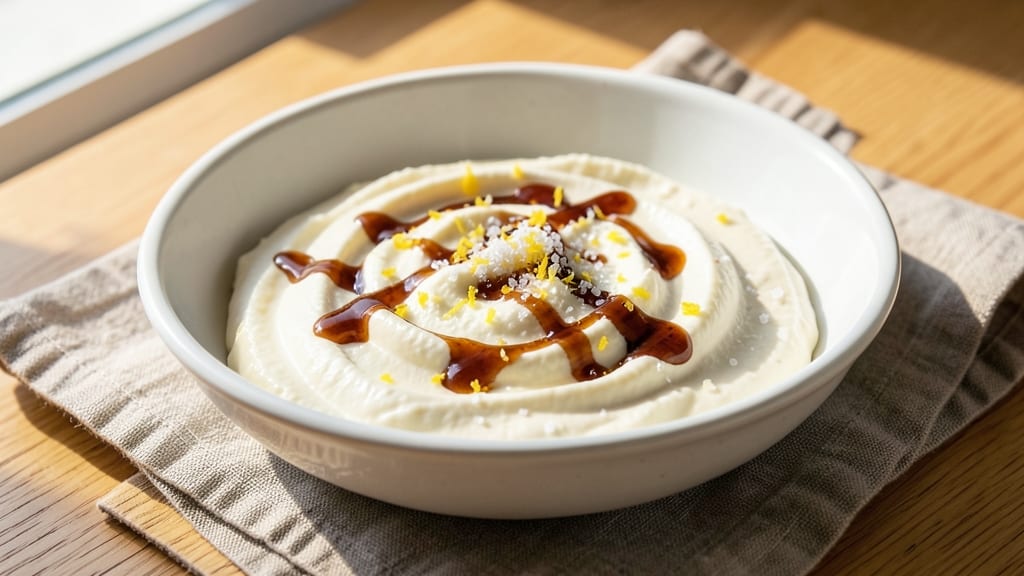
This almond milk ricotta cheese recipe transforms simple pantry staples into a silky, dairy-free alternative that works in everything from lasagna to desserts. 🌱 The key lies in blending almond milk with acid and stabilizers, then letting it set into a creamy, spreadable texture that mimics traditional ricotta perfectly.
I developed this recipe after struggling to find a vegan cheese substitute that held its shape and flavor in cooked dishes—until now.
The process is surprisingly straightforward: blend almond milk with lemon juice or vinegar to curdle it, then strain and add a stabilizer like agar-agar or tapioca starch for that signature ricotta consistency.
What makes this recipe special is how versatile it is—use it as a lasagna filling, dollop it on toast, or fold it into desserts without compromising texture. The result is a neutral-flavored cheese that absorbs other ingredients beautifully.
What sets this apart from store-bought alternatives is the customizable texture—adjust the stabilizer amount for firmer or softer ricotta, depending on your needs. The acidity from lemon juice brightens the flavor, while a pinch of salt enhances depth.
By the time you're done, you'll have a dairy-free cheese that performs just like the real thing, with none of the guilt.
Perfect for those avoiding dairy, watching their weight, or simply craving a lighter option. This recipe proves you don’t need animal products to achieve that creamy, satisfying texture we all love. Let’s get started!
Ingredients for almond milk ricotta cheese
Nine simple ingredients transform into creamy, dairy-free ricotta perfect for lasagna or desserts.
| Ingredient | Amount | Notes |
|---|---|---|
| Unsweetened Almond Milk 🥛 | 4 cups | High-fat preferred for creaminess |
| Fresh Lemon Juice 🍋 | ¼ cup | Adjust for tartness preference |
| Agar-Agar Powder 🍃 | ½ tsp | For firm texture (or 1 tsp tapioca starch) |
| Fine Sea Salt 🧂 | ½ tsp | Enhances flavor depth |
| White Vinegar 🍶 | 1 tbsp | Alternative to lemon juice |
| Pure Maple Syrup 🍯 | 1 tbsp | Balances acidity (optional) |
| Ground Nutmeg 🌿 | ¼ tsp | Classic ricotta flavor (optional) |
| Cold Water 💧 | ½ cup | For agar activation |
| Unflavored Almond Butter 🥜 | 2 tbsp | Adds richness (optional) |
The almond milk is the star—high-fat varieties like Silk or So Delicious give the best texture. Trader Joe's carries excellent options, or make your own by blending soaked almonds with water. For the agar-agar, Amazon or health food stores stock it in small packets—it's the secret to that perfect ricotta consistency. Fresh lemon juice is ideal, but white vinegar works in a pinch if you're short on time. The key is balancing acidity: taste as you go, and adjust with maple syrup if needed.
No agar-agar? Tapioca starch or arrowroot powder work at double the amount. Short on almond milk? Cashew milk or coconut milk (full-fat) can substitute, though texture may vary slightly. The nutmeg and almond butter are optional but add depth—skip them if you prefer a neutral flavor. For a firmer ricotta, increase agar by 0.25 tsp; for softer, reduce by the same amount. The cheese will set better if you let the almond milk sit at room temperature for 10 minutes before blending with acid.
This ricotta keeps beautifully—5 days in the fridge sealed tightly. For longer storage, portion into ice cube trays, freeze, then transfer to a bag. Thaw overnight in the fridge. The flavor actually improves after a day or two as the acidity mellows. Use it in lasagna, stuffed shells, or as a topping for avocado toast. The texture holds up surprisingly well when baked, making it perfect for vegan cheesecakes too.
Why You'll Love This Recipe
- Five-Ingredient Wonder: I swear by this recipe because it’s that simple—just heat, stir, and wait. No straining, no waiting for cultures to set, no fancy equipment. The agar-agar does all the heavy lifting while I sip my coffee.
- Bright & Tangy Twist: That lemon juice and vinegar combo gives it a zesty lift—like a fresh ricotta but with a bright, almost citrusy kick. It’s creamy but not heavy, and the salt balances it perfectly. Honestly, it’s the kind of flavor that makes you want to eat it straight from the bowl.
- Meal Prep MVP: This keeps beautifully in the fridge for up to a week, so I make a big batch on Sundays. Spread it on toast, fold it into pasta, or dollop it on avocado toast—it’s my go-to for quick breakfasts or lazy dinners when I’m not in the mood to cook.
- Budget-Friendly Luxury: Almond milk and agar-agar are cheap staples, and this recipe stretches further than store-bought ricotta. I’ll be real: it doesn’t look like the fancy ricotta at the grocery store, but it tastes just as good—and costs a fraction of the price. Win.
Step-by-step instructions for almond milk ricotta cheese
Here's how to craft velvety, dairy-free ricotta with perfect texture and balanced flavor.
👨🍳 Step 1: Bloom the Agar-Agar for Firm Texture
In a small bowl, whisk together the 0.5 cup cold water with the 0.5 tsp agar-agar powder. Let it sit for 5 minutes until the powder fully dissolves and the mixture thickens slightly. This creates your thickening agent—agar-agar's unique property to set firmly when heated and cooled.
I like to use a whisk for this step to avoid clumping. If you see any dry spots, stir in a few drops of water until completely smooth. The agar mixture should look like a thick, glossy syrup when ready. This is your secret weapon for achieving that perfect ricotta consistency without dairy.
🍳 Step 2: Acidify and Heat the Almond Milk
In a medium saucepan over medium heat, combine the 4 cups unsweetened almond milk, 0.25 cup fresh lemon juice, and 1 tbsp white vinegar. Stir gently to distribute the acid evenly—this helps break down proteins and creates that classic ricotta tang. Bring the mixture to a gentle simmer (180-190°F) for 5-7 minutes, stirring occasionally.
Watch for small bubbles forming around the edges—that's your visual cue it's ready. The acidified milk should smell slightly tangy and look slightly thicker than when you started. This step mimics the acid coagulation process in traditional ricotta, but using plant-based acids instead of rennet.
🥘 Step 3: Incorporate Thickening Agents
Remove the saucepan from heat and let it cool slightly for 2 minutes (it should be warm to the touch but not steaming). Gradually whisk in the agar mixture until fully combined. Then add the 1 tbsp pure maple syrup, 0.5 tsp fine sea salt, and 0.25 tsp ground nutmeg, whisking until smooth. Return the pan to low heat and cook for another 2-3 minutes until the mixture thickens noticeably.
Here's the thing—don't overheat after adding the agar. You're looking for a custard-like consistency, not a thick paste. The mixture should coat the back of a spoon but still be pourable. This is where your ricotta gets its signature creaminess without being too heavy.
⏰ Step 4: Set and Chill for Perfect Texture
Transfer the mixture to a heatproof bowl and let it cool to room temperature for 10 minutes. Then cover with plastic wrap pressed directly onto the surface (to prevent skin formation) and refrigerate for at least 4 hours, preferably overnight. This chilling time is crucial—it allows the agar to fully set and develop that ideal ricotta texture.
When you're ready to use it, give the bowl a gentle shake. The ricotta should hold its shape when spooned but still be soft enough to spread. If it's too firm, let it sit at room temperature for 10-15 minutes before serving. The longer it chills, the thicker it becomes—this is normal and actually enhances the texture.
👨🍳 Step 5: Add Almond Butter for Richness (Optional)
For extra creaminess, stir in the 2 tbsp unflavored almond butter until fully incorporated. This step is optional but adds a lovely nutty richness that balances the tanginess. I like to do this just before serving so the flavors stay vibrant. If you prefer a lighter texture, skip this step entirely—the ricotta will still be delicious.
For best results, use the ricotta within 3-4 days of making it. Store it in an airtight container in the refrigerator. The flavor actually improves as it sits, developing deeper complexity. This dairy-free version holds up beautifully in both sweet and savory applications—think ricotta toast, lasagna, or even stuffed pasta.
Pro Tips For Making Almond Milk Ricotta Cheese
- Whisk the Vinegar First: I learned this the hard way—adding white vinegar to warm almond milk makes it curdle instantly. Instead, whisk the vinegar into cold milk first, then heat gently. The acid disperses evenly, giving you that smooth ricotta texture without lumps.
- Use Cold Lemon Juice: Fresh lemon juice works best when chilled. Warm juice adds extra heat to the mix, which can break down the agar-agar prematurely. Pop the bottle in the fridge for 10 minutes before measuring—your ricotta will set cleaner and hold its shape better.
- Don’t Overmix the Agar: Once you add agar-agar, stir just until dissolved—about 30 seconds max. Overworking it turns the mixture gluey, and your ricotta will end up gummy instead of light and fluffy. A quick flick of the wrist does the job.
- Strain Through a Fine Mesh: Skip the cheesecloth if you’re in a hurry, but don’t skip straining. Use a fine-mesh sieve or even a clean kitchen towel to press out excess liquid. The longer you strain (10–15 minutes), the thicker and more ricotta-like your final product will be.
Flavor customization for almond milk ricotta cheese
Citrus Variations
Swap the lemon juice for orange juice or lime juice to create subtly different flavor profiles. Orange juice adds a bright, slightly sweet note that pairs beautifully with desserts like vegan cheesecakes or fruit salads.
For a more complex flavor, mix 2 tbsp orange juice with 1 tbsp lemon juice—this combo works wonderfully in savory dishes like stuffed shells or pasta bakes. 🍊
Herb-Infused Flavors
Add 1 tsp dried basil or 1 tsp dried dill to the warm mixture before chilling for a Mediterranean twist. Fresh herbs like basil or dill release their oils more effectively, so I recommend adding them just before serving if using fresh.
For a garlic-infused ricotta, blend 1 clove roasted garlic with the almond butter before mixing it in—this adds depth without overpowering. 🌿
Spiced Ricotta
Enhance the flavor with warm spices like ½ tsp cinnamon or ¼ tsp cardamom for a dessert-friendly version. These spices work beautifully in vegan cheesecakes or as a topping for baked apples.
For a savory twist, add ¼ tsp smoked paprika or a pinch of cayenne pepper—this creates a ricotta perfect for bruschetta or as a filling for stuffed peppers. 🌶️
Sweet Adaptations
For a dessert ricotta, reduce the lemon juice to 2 tbsp and add 2 tbsp vanilla extract along with the maple syrup. This creates a sweet, neutral base perfect for blending with berries or drizzling with honey.
For a chocolate twist, mix in 1 tbsp cocoa powder with the agar mixture before heating—this adds richness without altering the texture significantly. 🍫
Nutty Enhancements
Boost the richness by adding 1 tbsp tahini or 1 tbsp cashew butter instead of almond butter. Tahini adds a toasty, slightly bitter note that complements both sweet and savory dishes.
For a crunchy texture, fold in 1 tbsp toasted pine nuts or walnuts just before serving—this works beautifully as a dessert topping or in grain bowls. 🌰
Smoky Depth
Create a smoky ricotta by adding ½ tsp liquid smoke or a pinch of chipotle powder to the warm mixture. This variation shines in savory dishes like lasagna or as a spread for grilled vegetables.
For a milder smoky flavor, use ¼ tsp smoked sea salt instead—this adds complexity without overpowering the almond milk base. 🔥
Nutrition facts
Frequently asked questions
Can I use this almond milk ricotta in lasagna?
This dairy-free ricotta holds up beautifully in baked dishes. For best results, spread it between layers of lasagna noodles and other fillings, then bake as usual. The agar-agar helps maintain texture during cooking, though you may want to add a splash of plant-based milk to the ricotta before assembling to prevent drying out.
Why does my ricotta turn out too firm or grainy?
Texture issues usually come from over-chilling or incorrect agar ratios. For softer ricotta, reduce the agar by 0.125 tsp or chill for only 3 hours. If it's grainy, blend the mixture again after heating or add 1 tbsp more almond milk. The key is patience—let the mixture cool gradually before refrigerating.
What's the best way to store leftover ricotta?
Keep it in an airtight container in the fridge for up to 5 days. For longer storage, portion into ice cube trays, freeze, then transfer to a bag. Thaw overnight in the fridge. The texture may become slightly grainier after freezing, but it's still perfect for cooking or spreading on toast.
Can I make this without agar-agar?
Yes! Use 1 tsp tapioca starch or arrowroot powder instead—just double the amount. The texture will be slightly softer, but it still works well for spreading or in desserts. For savory dishes, the agar version holds up better during baking.
How do I adjust the flavor if it tastes too tangy?
Balance the acidity by adding 1 extra tbsp maple syrup or a pinch of salt. For a milder taste, reduce the lemon juice by 1 tbsp next time. If you prefer sweet applications, cut the acid to 0.125 cup lemon juice and add 1 tsp vanilla extract instead.