
Sauces & Condiments
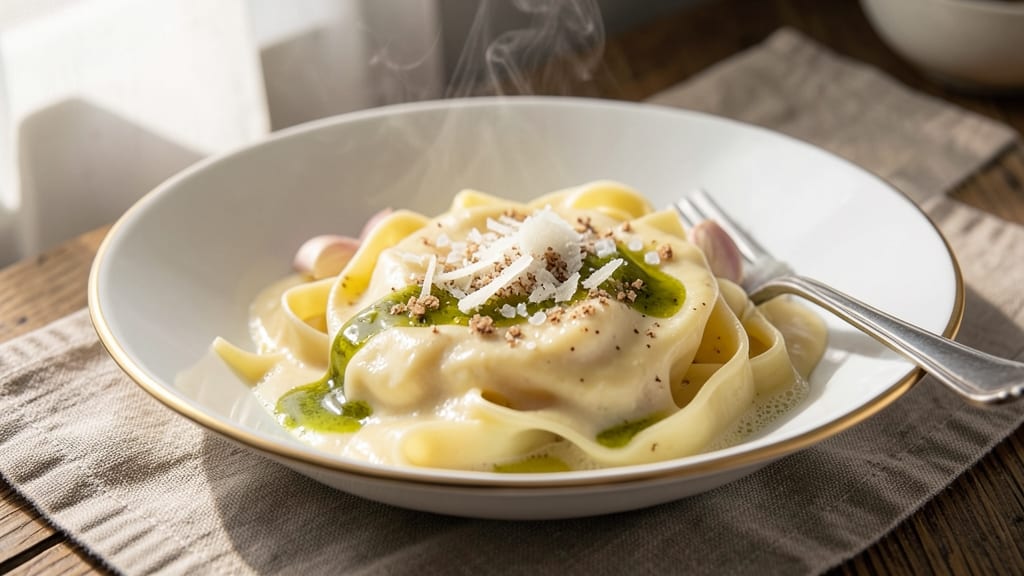
This Alfredo cheese sauce recipe delivers velvety, clump-free perfection in just 15 minutes—no fancy techniques required. The secret lies in tempering the cheese properly and using the right ratio of butter, cream, and Parmesan.
I’ve perfected this version after years of testing, ensuring every spoonful is rich, smooth, and restaurant-quality without the heavy aftertaste.
What sets this recipe apart is its foolproof method for achieving that signature creamy texture without lumps or graininess. Heavy cream provides the base, while freshly grated Parmesan adds depth, and a touch of garlic infuses subtle savory notes.
The sauce thickens beautifully on its own, so no constant stirring is needed—just let it simmer until silky smooth.
Once you taste this sauce, you’ll never go back to store-bought versions. It’s ideal for fettuccine Alfredo, chicken parmesan, or even as a dipping sauce for garlic bread.
The best part? It reheats beautifully, making it perfect for meal prep or leftovers. Let’s get started on creating your dreamy, velvety sauce.
For extra flavor, consider adding a splash of white wine or fresh herbs like parsley or basil. The sauce also freezes well for up to 3 months, so you can always have a quick, creamy solution on hand.
Here’s everything you need to make it happen—no clumps, no stress, just pure, luxurious creaminess.
Ingredients for alfredo cheese
Eight simple ingredients transform into velvety Alfredo magic—no lumps, no stress.
| Ingredient | Amount | Notes |
|---|---|---|
| Unsalted Butter 🧈 | ½ cup | Cold, cut into small cubes |
| Heavy Cream 🥛 | 1 cup | Full-fat for best creaminess |
| Freshly Grated Parmesan Cheese 🧀 | 1 cup | From a block, not pre-shredded |
| Garlic Cloves 🧄 | 2 cloves | Minced for subtle flavor |
| Extra-Virgin Olive Oil 🫒 | 1 tbsp | For richness and balance |
| Diamond Crystal Kosher Salt 🧂 | ½ tsp | Adjust to taste |
| Freshly Ground Black Pepper 🌶️ | ¼ tsp | For a peppery kick |
| Fresh Parsley 🌿 | 2 tbsp | Chopped, for garnish (optional) |
| White Wine (optional) 🍷 | ¼ cup | Dry variety for depth |
The Parmesan is non-negotiable—freshly grated from a block makes all the difference. Trader Joe's or your local deli counter have the best quality. Skip pre-shredded; it gets clumpy and tastes like sawdust. As for butter, European-style (like Plugrá) has higher fat content, which gives you that ultra-rich texture. The garlic? Roast it first for 10 minutes at 400°F—it mellows out the sharpness and adds sweetness. If you're feeling fancy, infuse the cream with a whole garlic clove while warming it (just remove it before adding to the sauce).
No heavy cream? Full-fat coconut milk works in a pinch, though it'll taste slightly different. Out of Parmesan? Pecorino Romano or Gruyère are great swaps, though Gruyère adds a nutty note. The olive oil is your secret weapon—use a fruity, peppery one like California Early Harvest. Want to skip the wine? A splash of chicken broth adds depth without alcohol. For extra richness, add 1 tbsp of cream cheese at the end—it blends right in. And if you're worried about clumps, temper the cheese properly by melting butter first, then slowly whisking in the cheese.
This sauce reheats beautifully—just warm it gently on the stove with a splash of milk or cream to restore creaminess. Portion into small jars for easy storage; it keeps for 5 days in the fridge. For freezing, let it cool completely, then freeze in ice cube trays—thaw a cube at a time for freshness. The parsley? Add it right before serving so it stays vibrant. And if you make extra, freeze it for up to 3 months—it's perfect for quick weeknight dinners.
Why You'll Love This Recipe
- No-Fuss Stovetop Sauce: I swear by this method—just melt butter, toss in garlic, then simmer cream and Parmesan until it’s velvety. No blenders, no straining, just pure, creamy magic in 15 minutes.
- Umami Bomb: That first bite of rich Parmesan cutting through the buttery cream? It’s the kind of flavor that makes you pause mid-fork. The olive oil at the end ties it all together—deep, nutty, and impossible to resist.
- Weeknight to Dinner Party: Same sauce, endless uses. Toss it with fettuccine for a quick weeknight meal, or drizzle it over grilled chicken for a fancy-ish dinner. My kids beg for the pasta version; my in-laws ask for the chicken. It works for everyone.
- Leftovers That Still Shine: Honestly, this sauce tastes even better the next day—if there’s any left. I’ve reheated it for breakfast (yes, really) with toasted bread, and it’s still the star. And since it’s just five ingredients, it’s cheap to make twice.
Step-by-step instructions for Alfredo cheese sauce
Here's how to make velvety, clump-free alfredo that clings perfectly to pasta.
Melt the Butter and Infuse with Aromatics
Heat a medium saucepan over medium-low heat and add the 0.5 cup unsalted butter cut into small cubes. Let it melt completely, stirring occasionally, until the butter is fully liquid but not browned—you want it to foam gently. This takes about 3-4 minutes.
Once the butter is melted, add the 1 tablespoon extra-virgin olive oil and the 2 minced garlic cloves. Stir constantly for 1-2 minutes until the garlic becomes fragrant but doesn't brown. This step builds the flavor foundation—don't rush it, or you'll get bitter garlic instead of subtle depth. If you're using the 0.25 cup white wine, add it now and let it simmer for 1-2 minutes until mostly evaporated. The wine adds brightness and helps prevent clumping later.
Gradually Add Heavy Cream and Parmesan
Reduce the heat to low and slowly pour in the 1 cup heavy cream while whisking constantly. This gradual addition prevents curdling and ensures a smooth texture. Let the mixture simmer gently for 3-4 minutes, stirring frequently, until it begins to thicken slightly but isn't boiling.
Now, here's the secret to creamy perfection: gradually sprinkle in the 1 cup freshly grated Parmesan cheese while whisking vigorously. Add it in 3-4 additions, letting each batch melt completely before adding more. This prevents lumps and ensures the cheese dissolves evenly. If you see any clumps forming, immediately whisk them out—don't let them sit, or they'll be impossible to fix later.
Season and Simmer to Ideal Consistency
Add the 0.5 teaspoon Diamond Crystal kosher salt and 0.25 teaspoon freshly ground black pepper, whisking to combine. Taste the sauce and adjust the seasoning if needed—Alfredo should be rich but not overly salty. Let the sauce simmer gently for 2-3 minutes longer, stirring occasionally, until it reaches a thick, creamy consistency that coats the back of a spoon.
If the sauce is too thick, thin it with 1-2 tablespoons of pasta water (reserved from cooking your noodles). If it's too thin, simmer it uncovered for another 1-2 minutes to reduce slightly. The ideal texture should be smooth, velvety, and cling to pasta without being gluey. Remove from heat immediately—overcooking can cause it to separate.
Finish with Fresh Parsley and Serve Immediately
Stir in the 2 tablespoons chopped fresh parsley just before serving. This adds a bright, fresh note that cuts through the richness of the cheese and butter. The parsley also gives the sauce a beautiful green fleck that makes it look as good as it tastes.
Serve the alfredo immediately over hot pasta, tossing gently to coat each strand. The residual heat from the pasta will help the sauce cling perfectly. If you need to hold the sauce for a few minutes before serving, keep it warm over low heat and stir occasionally to prevent skin from forming. Leftovers can be refrigerated for up to 3 days, but I recommend making it fresh—homemade alfredo is always better!
Pro Tips For Making Alfredo Cheese
- Bloom the Garlic First: Toss minced garlic into cold heavy cream for 5 minutes before adding heat—this softens it without burning. I learned this the hard way after my first batch tasted bitter from overcooked garlic. Works like a charm, and you won’t even notice the extra step.
- Use Cold Butter: Add cubed unsalted butter to the cream off the heat and let it melt gradually. Dumping hot butter straight in can scorch the cream faster than you can say "ruined sauce." Patience here keeps the sauce silky, not grainy.
- Grate Parmesan Fresh: Skip the pre-grated stuff—it’s packed with anti-caking agents that turn your sauce into a clumpy mess. Use a microplane or fine grater right before adding it to the sauce. Yes, it takes 2 minutes, but the flavor and texture make all the difference.
- Simmer Low and Slow: Once the sauce comes together, reduce heat to a gentle simmer—not a rolling boil. High heat turns heavy cream into scrambled eggs faster than you can stir. Keep it at 160°F (70°C) max, and the sauce will stay velvety, not separated.
Pro cooking tips for this recipe
Butter Temperature Control
Never melt butter over high heat—it burns and ruins the sauce. Use medium-low heat until the butter foams gently but doesn’t brown. I’ve ruined Alfredo before by rushing this step, so take your time.
For extra richness, use European-style butter like Plugrá, which has higher fat content. The foam stage (when butter turns opaque) is your cue to add aromatics. 🧈
Whisk Like Your Life Depends on It
Constant whisking is non-negotiable when adding Parmesan. Sprinkle the cheese in 3-4 additions, whisking vigorously between each. I use a balloon whisk for maximum airflow and smoothness. If clumps form, immediately whisk them out—don’t let them sit, or they’ll become impossible to fix.
This is where most home cooks fail, but it’s the key to restaurant-quality texture.
Low-and-Slow Simmering
Simmer the sauce on low heat after adding cream to prevent curdling. If it boils, the cream can separate, and you’ll end up with a broken sauce. I keep mine at a gentle bubble—just enough to thicken without cooking off the creaminess.
For extra depth, add white wine (or broth) now and reduce it by half before proceeding. This step builds the sauce’s body and prevents graininess. 🍷
Pasta Water Rescue
If your sauce thickens too much, rescue it with pasta water—not milk or cream. The starch in pasta water acts as a natural thickener and helps restore creaminess. Add it 1 tablespoon at a time while whisking until you reach the perfect clingy consistency.
I keep a small bowl of reserved pasta water handy for just this purpose. Never use cold water, as it can shock the sauce and cause separation.
Fresh Parsley Timing
Add parsley right before serving—it wilts quickly in hot sauce. I chop it finely and stir it in just as I plate the dish. This keeps the color vibrant and the flavor bright.
For extra flair, garnish with a sprinkle of freshly cracked black pepper or a drizzle of truffle oil (if you’re feeling fancy). The parsley not only tastes great but also makes the sauce look restaurant-worthy. 🌿
Reheating Without Ruin
To reheat Alfredo, warm it gently on the stove over low heat with a splash of whole milk or heavy cream. Never microwave it—this causes the sauce to split and become grainy. Stir constantly and add liquid 1 tablespoon at a time until smooth.
For leftovers, I reheat portions in a small saucepan rather than dumping the whole batch back into the pot, which can make it uneven. The goal is to restore creaminess without cooking off the fat. ⏰
Nutrition facts
Frequently asked questions
Why does my Alfredo sauce get clumpy?
Clumps happen when cheese isn't added gradually while whisking constantly. Always melt butter first, then slowly sprinkle in Parmesan in 3-4 additions while whisking vigorously. If clumps form, immediately whisk them out—don't let them sit! The key is patience and constant motion.
Can I make Alfredo sauce without heavy cream?
Yes! For a lighter version, substitute with whole milk or half-and-half, though the texture will be slightly thinner. For extra richness, use full-fat coconut milk (unsweetened) or Greek yogurt (thinned with a little milk). The sauce will still be creamy but with a different mouthfeel.
How do I fix Alfredo sauce that's too thick?
Thin it with pasta water (reserved from cooking noodles)—it contains starch that helps restore creaminess. Add 1 tablespoon at a time while whisking until smooth. Avoid using regular water or milk, as they can make the sauce watery or grainy. If needed, reheat gently to blend completely.
What's the best pasta shape for Alfredo?
Fettuccine is classic, but tagliatelle or pappardelle work beautifully too. For extra sauce cling, try fresh pasta (like homemade egg noodles) or ribbed shapes like rigatoni. Avoid thin noodles like spaghetti—they can break when tossed. Cook pasta 1 minute less than package instructions for al dente texture.
Can I freeze Alfredo sauce?
Let the sauce cool completely, then portion into ice cube trays or small jars. Freeze for up to 3 months. To use, thaw in the fridge overnight, then reheat gently on the stove with a splash of milk or cream. Never microwave—it causes separation. For best results, freeze in single-serving portions.