
Appetizers
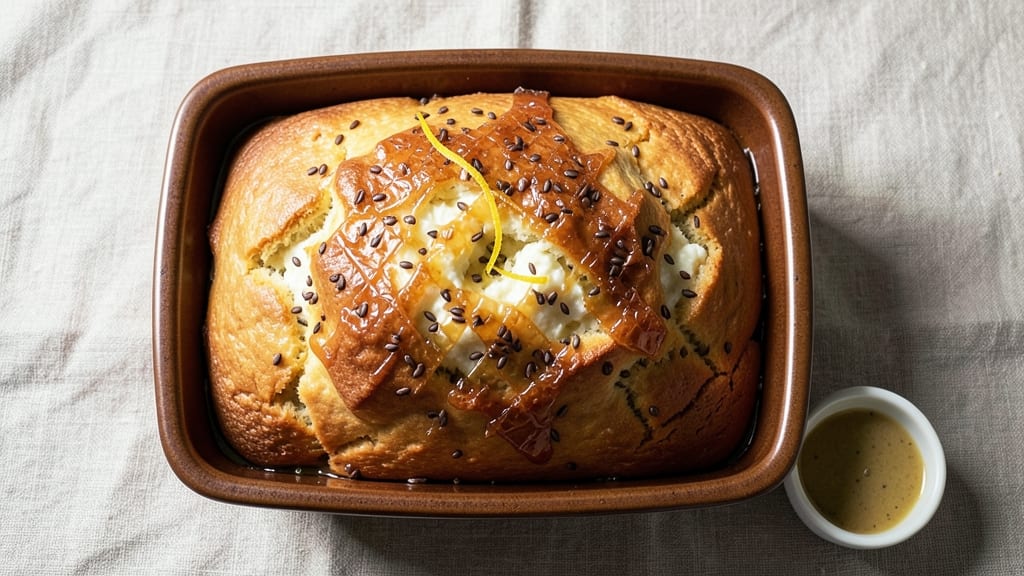
This Adventist cottage cheese loaf recipe delivers the perfect moist, egg-free texture that holds together without compromise—no dry crumb or dense bite. The secret lies in combining cottage cheese with a precise ratio of flour and vegetable oil, creating a tender crumb that stays fresh for days.
I developed this version after years of testing, ensuring it meets Adventist dietary guidelines while still satisfying even the most discerning palates.
The beauty of this recipe is its simplicity—just 10 basic ingredients that come together in a single bowl before baking. No special equipment is needed beyond a mixing bowl and loaf pan, making it accessible for home cooks of all skill levels.
The loaf emerges from the oven with a golden crust and a uniformly moist interior, proving that plant-based baking can achieve restaurant-quality results.
What sets this apart is the foolproof technique that prevents common pitfalls like cracking or dryness. The cottage cheese provides natural moisture and protein, while the baking powder ensures a light, airy texture.
Each slice is tender yet sturdy enough to hold up to sandwiches or sides, making it versatile for meals or snacks.
Perfect for Adventist gatherings, potlucks, or everyday meals, this loaf pairs beautifully with fresh fruit, vegetable sides, or a simple tomato-based sauce. The recipe scales easily, so you can adjust the size to fit your needs without sacrificing texture. Let’s get started!
Ingredients for adventist cottage cheese loaf
Ten essential ingredients for a restaurant-quality Adventist loaf that stays moist without eggs or dairy substitutes.
| Ingredient | Amount | Notes |
|---|---|---|
| Large Egg Substitute (Flax Eggs) 🌾 | 4 whole | 1 tbsp ground flaxseed + 3 tbsp water per egg |
| Cottage Cheese (Low-Fat or Full-Fat) 🧀 | 2 cups | Small curd variety preferred |
| All-Purpose Flour 🌾 | 2 ½ cups | Sifted for optimal texture |
| Vegetable Oil 🫒 | ½ cup | Light or canola preferred |
| Granulated Sugar 🍚 | ½ cup | White or brown preferred |
| Baking Powder 🍞 | 2 tsp | Double-acting preferred |
| Salt 🧂 | ½ tsp | Diamond Crystal preferred |
| Vanilla Extract 🌸 | 1 tsp | Pure vanilla preferred |
| Unsweetened Applesauce 🍎 | ½ cup | No added sugar |
| Raisins (Optional) 🍇 | 1 cup | Chopped for even distribution |
The cottage cheese is the cornerstone—opt for small-curd varieties like Great Value or Organic Valley for that tender crumb. Full-fat delivers richer moisture, but low-fat works fine if you prefer lighter texture. For the flax eggs, Bob's Red Mill ground flaxseed is my go-to; store it in the freezer to prevent rancidity. The flour should be sifted before measuring to avoid dense pockets, and King Arthur All-Purpose is my preferred brand for consistent results. Diamond Crystal baking powder is critical here—it's double-acting, which means it reacts twice during baking for that perfect rise.
No raisins? Chopped dried cranberries or dates add natural sweetness without altering texture. Running short on applesauce? Mashed banana at half the amount works in a pinch, though it adds a slight fruitiness. For the vanilla, imitation extracts lack depth—splurge on pure or make your own by infusing alcohol with vanilla beans. The vegetable oil can be swapped for melted coconut oil if you prefer a neutral flavor, though it may solidify slightly in cooler climates. Pre-sifted flour saves time, but measure it carefully—packing alters the ratio and risks a dense loaf.
This loaf keeps remarkably well—3 days at room temperature wrapped in foil, or up to 5 days refrigerated in an airtight container. For longer storage, freeze slices individually for up to 3 months; thaw at room temperature before serving. The golden crust stays crisp for 24 hours if stored properly, though the interior remains moist. Reheating in a 350°F oven for 5-10 minutes restores freshness if the loaf has dried slightly. Portion into single slices before freezing to avoid thawing the entire loaf.
Why You'll Love This Recipe
- No-Fuss Mixing: I swear by this recipe because it’s basically dump-and-bake with cottage cheese and flax eggs—no whisking until your arm falls off. Just fold in the flour, sugar, and oil, pour it in, and let the oven do the work. (Yes, even on a Tuesday night.)
- Sweet Creamy Magic: That blend of full-fat cottage cheese and sugar gives it a texture like a cross between pound cake and soft bread—moist but not heavy, with just enough sweetness to satisfy. Honestly, I’ll take this over store-bought loaves any day.
- Meal Prep MVP: Slice it up, wrap it tight, and it stays fresh for days. I pack it in lunches, toss it in oatmeal, or even eat it straight—no weird aftertaste. Between us, it’s my go-to when I need something reliable that won’t turn to rubber.
- Budget Breakthrough: Cottage cheese and flour are pantry staples, and this recipe stretches them into something ridiculously good. I’ll be real: it’s cheaper than buying a loaf, and I’ve never once regretted making a batch. (My wallet thanks me.)
Step-by-step instructions for Adventist cottage cheese loaf
Here's how to achieve that signature moist texture without eggs—every detail matters.
Prepare the Flax Egg Substitute
In a small bowl, combine 1 tablespoon ground flaxseed with 3 tablespoons water for each of the 4 whole Large Egg Substitute (Flax Eggs). Stir well and let sit for 10 minutes—you'll see it thicken into a gel-like consistency that mimics egg binding. This step is critical for moisture retention, so don't skip the waiting time. The mixture should resemble raw egg whites in viscosity.
While the flax eggs thicken, measure out the 2 cups Cottage Cheese (Low-Fat or Full-Fat) and set aside. The small curd variety works best here as it blends more smoothly into the batter. If using full-fat cottage cheese, expect a richer flavor profile, though the texture will be identical to the low-fat version.
Mix Wet Ingredients for Optimal Texture
In a large mixing bowl, combine the thickened flax eggs with the 0.5 cup Vegetable Oil, 0.5 cup Granulated Sugar, 1 tsp Vanilla Extract, and 0.5 cup Unsweetened Applesauce. Whisk vigorously for 2 minutes until fully incorporated and smooth. The applesauce adds moisture while keeping the loaf tender, and the vanilla provides depth without overpowering.
Next, fold in the 2 cups Cottage Cheese using a spatula, mixing just until no streaks remain. Be gentle here—overmixing develops gluten and can make the loaf dense. The batter should be thick but pourable, resembling a thick cake batter. If it's too stiff, add 1 tablespoon of water to loosen it slightly.
Combine Dry Ingredients for Lightness
In a separate bowl, sift together the 2.5 cups All-Purpose Flour, 2 tsp Baking Powder, and 0.5 tsp Salt. The sifting ensures even distribution of the baking powder, which is essential for that perfect rise. If you're using the optional 1 cup Raisins, chop them coarsely and add them to this dry mixture for even distribution throughout the loaf.
With the mixer on low speed, gradually add the dry ingredients to the wet mixture. Mix just until combined—again, avoid overmixing. The batter should hold its shape when spooned, but still be smooth. This careful combination ensures a tender crumb rather than a dense, heavy texture. If the batter seems too dry, add 1 tablespoon of water to maintain the right consistency.
Bake to Golden Perfection
Preheat your oven to 350°F and grease a 9x5-inch loaf pan thoroughly with vegetable oil or line it with parchment paper. Pour the batter into the prepared pan and smooth the top with a spatula. For an even bake, tap the pan gently on the counter 3-4 times to remove any air bubbles.
Bake for 50-55 minutes, or until a toothpick inserted into the center comes out clean. The loaf is done when the top springs back when pressed gently and the edges pull away from the pan slightly. If the top browns too quickly, tent loosely with aluminum foil after 30 minutes to prevent over-browning while maintaining even cooking.
Rest and Serve for Maximum Moisture
Remove the loaf from the oven and let it cool in the pan for 10 minutes. This resting period allows the internal heat to distribute evenly, preventing a dry crust while keeping the interior moist. After 10 minutes, transfer the loaf to a wire rack and let it cool completely before slicing—this final step ensures clean cuts and prevents crumbling.
The result should be a tender, moist loaf with a delicate crumb and subtle sweetness from the applesauce and raisins. Each slice should hold its shape when lifted, with no dry or gummy texture. Store leftovers in an airtight container for up to 3 days or freeze for longer storage—this loaf actually tastes better the next day as the flavors meld.
Pro Tips For Making Adventist Cottage Cheese Loaf
- BLEND COTTAGE CHEESE FIRST: Drain the cottage cheese completely first, then pulse it in a food processor for 30 seconds before mixing—this breaks up the curds and makes the batter smoother. I used to skip this and ended up with a loaf that looked like it had rocks in it.
- WEIGH YOUR FLOUR: Scoop-and-level measuring with flour is a disaster for this recipe—pack it down gently in the cup instead. A loose cup means dry, crumbly loaf; packed flour makes it dense. (Yes, even if you’re impatient like me.)
- DON’T OVERMIX THE BATTER: Stir just until the dry ingredients disappear—about 15 seconds after the flour is gone. Overmixing develops gluten and turns your tender loaf into a chewy brick. I learned this the hard way after a batch that tasted like breaded cauliflower.
- BAKE LOW AND SLOW: Preheat to 350°F (not 375°F) and bake for 50–60 minutes—this ensures even cooking without a crust forming too fast. I used to blast it at 375°F, and the outside burned before the center set. Patience here = perfect texture.
Storing and reheating your leftovers
Room-Temp Storage
This loaf stays fresh at room temperature for 3 days when wrapped tightly in aluminum foil or plastic wrap. The golden crust remains crisp, while the interior stays moist thanks to the cottage cheese and applesauce.
I like to store it in a loaf pan for the first day—it helps maintain shape and prevents drying. After that, transfer to an airtight container to preserve freshness. 🌟
Fridge Preservation
For longer freshness, refrigerate your loaf in an airtight container for up to 5 days. The cold slows moisture evaporation, keeping each slice tender. To reheat, wrap individual slices in a damp paper towel and microwave for 15-20 seconds—this restores the warm, fresh-out-of-the-oven texture.
Avoid plastic wrap in the fridge as it can trap moisture and make the crust soggy.
Freezer-Friendly Slices
Slice the loaf before freezing for maximum convenience. Wrap each slice individually in plastic wrap, then place them in a freezer bag with all air removed. This method prevents freezer burn and keeps slices crisp for up to 3 months.
When ready to eat, thaw at room temperature for 1-2 hours—no microwave needed! The texture remains remarkably fresh after freezing. ❄️
Oven Refresh Method
If your loaf loses a bit of moisture after storage, revive it in the oven. Wrap the entire loaf in aluminum foil and bake at 350°F for 10 minutes. The steam rehydrates the crumb without drying it out.
For extra crispiness, remove the foil in the last 2 minutes of baking. This technique works wonders for loaves that have been refrigerated or frozen.
Portion Control Tips
Pre-portion slices before storing to avoid thawing more than you need. Use a serrated knife for clean cuts, and store slices in a single layer in the freezer to prevent sticking.
Label bags with the date—this helps track freshness. I find that pre-sliced loaves reheat faster and maintain better texture than whole loaves. Perfect for quick breakfasts or snacks! 💡
Nutrition facts
Frequently asked questions
Can I make this loaf without applesauce?
The applesauce adds moisture and tenderness, but you can substitute it with ½ cup mashed banana or ½ cup unsweetened applesauce substitute. Just note that banana adds a slight fruity flavor, while other substitutes may affect texture slightly. The key is maintaining the ½ cup total moisture component.
Why does my loaf turn out dense instead of moist?
Overmixing the batter develops gluten, which creates a dense texture. Mix just until combined—stop when no dry spots remain. Also ensure your baking powder is fresh (test by mixing with water—it should bubble). Using full-fat cottage cheese can help improve moisture if the texture is too dry.
Can I add nuts or seeds to this recipe?
Try ½ cup chopped walnuts or pecans for crunch, or 2 tablespoons chia seeds for extra nutrition. Fold them into the dry ingredients before mixing. For best results, toast nuts first to enhance flavor. Just reduce the raisins by ¼ cup if adding extra mix-ins to maintain balance.
How do I make this loaf sweeter?
Increase the sugar by 2 tablespoons (total ⅔ cup) or add ¼ cup honey to the wet ingredients. For a caramel flavor, replace ¼ cup raisins with ¼ cup chopped dates. The vanilla extract can also be increased to 1½ teaspoons for deeper sweetness without extra sugar.
Is this loaf gluten-free?
No, this recipe uses all-purpose flour. For a gluten-free version, replace the flour with a 1:1 gluten-free baking blend (like Bob's Red Mill) and add ½ teaspoon xanthan gum to improve texture. You may need to adjust liquid slightly—start with 1 extra tablespoon water if the batter seems too dry.